
What is Logistics and Why Does It Matter?
Logistics is the backbone of global trade, encompassing the planning, execution, and control of the movement and storage of goods, services, and information from origin to consumption. In today's fast-paced world, effective logistics ensures that products reach their destinations efficiently and on time. Whether you're a business owner or a consumer, understanding logistics can help you appreciate the complexity behind everyday deliveries. At its core, logistics involves coordinating transportation modes like sea, air, and land to optimize supply chains and minimize costs.
How Do Standardized Shipping Containers Revolutionize Logistics?
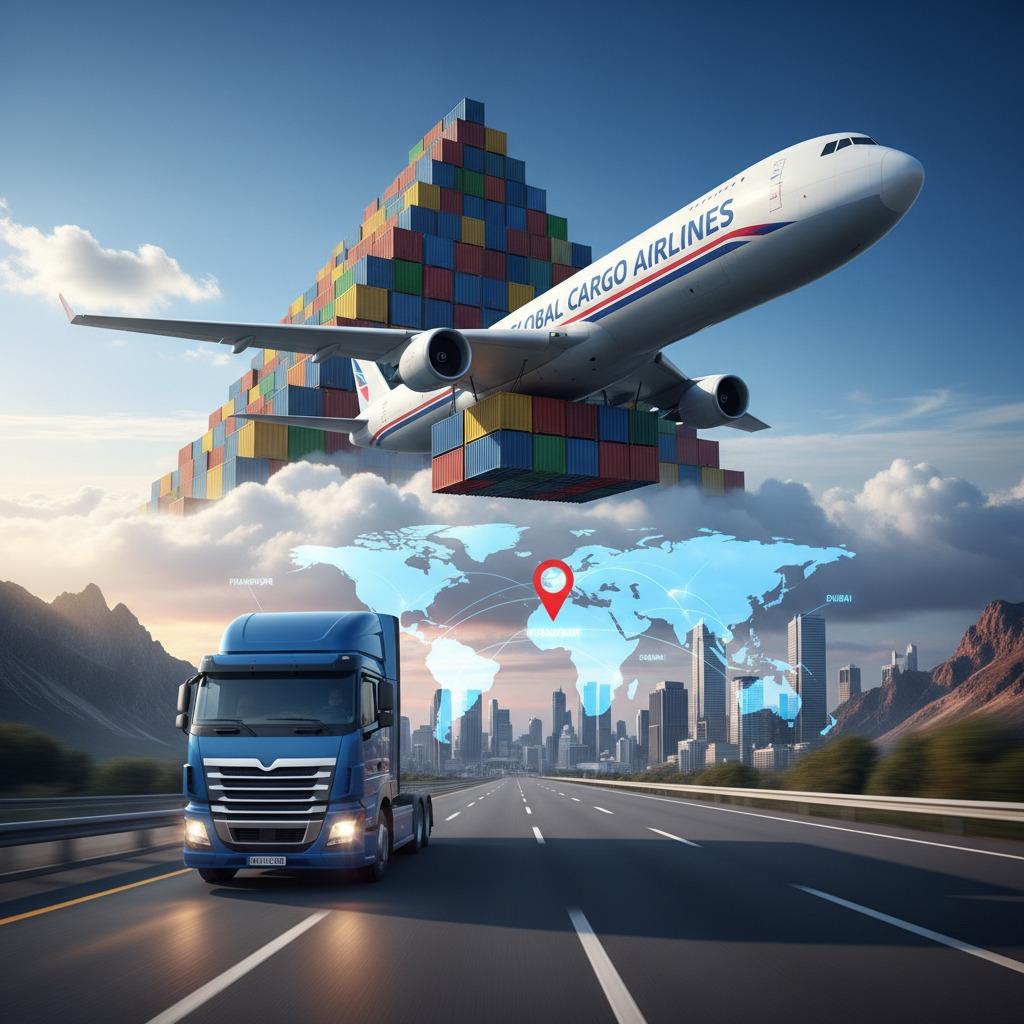
One of the key innovations in logistics is the use of standardized shipping containers, designed to transform how goods are transported worldwide. These versatile containers allow for efficient cargo management and maximum space utilization in shipping yards and vessels. Made from durable materials, they come in various colors for easy organization and identification, while withstanding harsh environmental conditions across sea, land, and air routes. With advanced security features and compliance to international standards, they provide reliable protection for your valuables. If you're streamlining your supply chain, these containers are essential for modern logistics, serving as the foundation of global trade networks.
What Role Do Airlines Play in Modern Logistics?
Air logistics has seen remarkable advancements, particularly with innovative cargo solutions like those from Global Cargo Airlines. Their cutting-edge aircraft feature external payload systems for quick access and unloading, reducing downtime and speeding up deliveries. Connecting major hubs such as Shanghai, Dubai, Frankfurt, and Singapore, this technology integrates seamlessly into international supply chains, cutting transit times and boosting efficiency. For businesses relying on time-sensitive shipments, understanding how air logistics optimizes routes can be crucial. These services ensure reliable transport across continents, making them a vital part of comprehensive logistics strategies.
Why Are Modern Trucks Essential for Ground Logistics?
Ground transportation remains a cornerstone of logistics, and sleek, modern trucks are redefining efficiency on the roads. Featuring a striking blue exterior with advanced aerodynamics, these trucks enhance fuel efficiency while delivering powerful performance through rugged terrains or urban environments. The bold front grille and LED headlights provide durability and superior visibility, ensuring safety during all conditions. Their streamlined trailers maximize cargo space without sacrificing style, blending form and function perfectly. For logistics operations focused on land transport, these vehicles handle demanding tasks effortlessly, supporting the broader goal of seamless goods movement.
How Can Businesses Optimize Their Logistics Operations?
Optimizing logistics requires integrating various elements like containers, air freight, and trucks into a cohesive system. Start by assessing your supply chain needs—do you prioritize speed with air logistics or cost-effectiveness with sea containers? Implementing technology for tracking and routing can further enhance efficiency. Common challenges include delays from weather or customs, but robust planning mitigates these. For expanding operations, consider partnerships with providers offering versatile solutions. Ultimately, mastering logistics not only reduces costs but also improves customer satisfaction, making it indispensable for competitive businesses.
What Are the Future Trends in Logistics?
Looking ahead, logistics is evolving with automation, sustainability, and digital integration. Expect more eco-friendly containers and electric trucks to reduce carbon footprints. AI-driven routing in air and ground transport will predict and prevent disruptions, ensuring smoother operations. As global trade grows, compliance with standards will be key. Staying informed about these trends helps businesses adapt, leveraging innovations like modular systems for better adaptability. In essence, the future of logistics promises smarter, greener, and more connected ways to move goods worldwide.





