
What is Logistics and Why Does It Matter?
Logistics forms the backbone of modern supply chains, encompassing the planning, implementation, and control of the efficient movement and storage of goods, services, and information from origin to consumption. In the context of air freight, it ensures seamless transportation across global networks. For companies like Atlas Air, leveraging advanced aircraft such as the Boeing 747, logistics becomes a powerhouse of reliability and efficiency, connecting businesses worldwide with precision and speed.
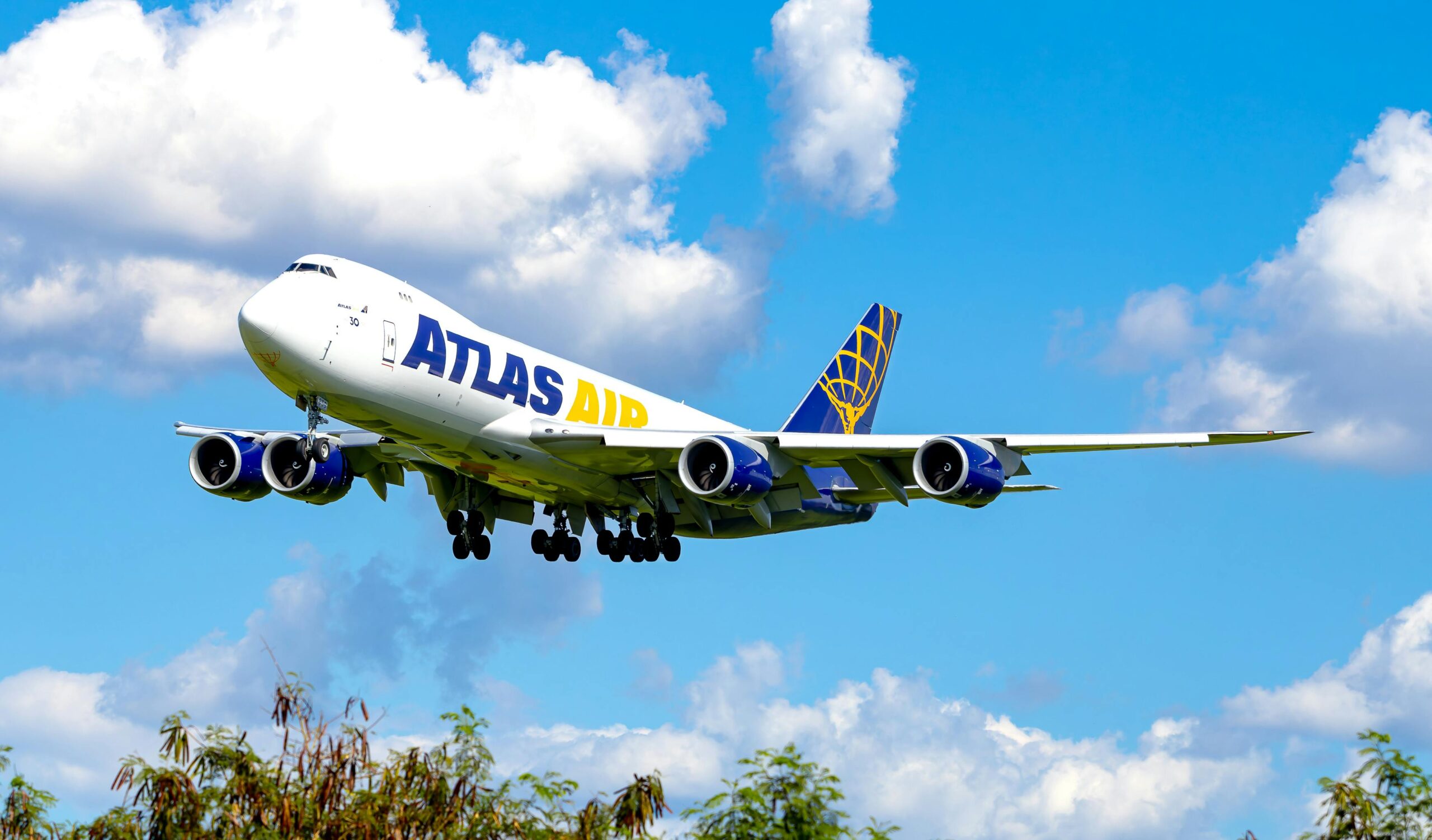
Understanding logistics is crucial because it directly impacts cost, delivery times, and customer satisfaction. Whether you're shipping perishable goods or heavy machinery, effective logistics minimizes delays and maximizes value. The integration of technology and strategic partnerships elevates logistics from mere transport to a competitive advantage.
How Does Air Freight Logistics Work?
Air freight logistics involves the rapid transport of cargo via aircraft, ideal for time-sensitive shipments. The process starts with careful packaging and documentation, followed by loading onto specialized planes like the Atlas Air Boeing 747, renowned for its massive capacity and nose-loading feature that accommodates oversized items effortlessly.
Once airborne, advanced avionics ensure safe navigation over long distances, with fuel-efficient engines reducing operational costs and environmental impact. Upon arrival, customs clearance and ground handling teams facilitate swift unloading and distribution. This end-to-end approach in air freight logistics guarantees that goods reach their destination intact and on schedule, making it indispensable for industries like e-commerce and pharmaceuticals.
Key to this is the iconic design of the Boeing 747, with its hump-backed fuselage and four engines, optimizing payload and range. Atlas Air's branding on these vessels underscores their commitment to global reach and quality service, embodying the essence of air freight logistics.
What Role Does International Logistics Play in Global Trade?
International logistics extends beyond borders, coordinating complex networks of air, sea, and land transport to facilitate worldwide commerce. It addresses challenges like varying regulations, time zones, and cultural differences, ensuring compliance and smooth operations. For instance, using air freight logistics for international shipments via the Atlas Air Boeing 747 allows for quick delivery of high-value items, such as electronics or medical supplies, across continents.
In practice, international logistics relies on robust tracking systems and partnerships with customs brokers to avoid bottlenecks. The Boeing 747's extended range capabilities make it perfect for transoceanic routes, carrying colossal loads while incorporating eco-conscious technologies to lower emissions. This not only supports economic growth but also promotes sustainability in global supply chains.
Companies engaging in international logistics benefit from reduced lead times and enhanced market access. Whether it's bulk cargo or specialized equipment, the versatility of aircraft like the 747 ensures that logistics challenges are met with innovation and reliability.
Frequently Asked Questions About Logistics
What are the main benefits of air freight logistics?
Air freight logistics offers speed, security, and the ability to handle urgent deliveries. Unlike slower sea transport, it cuts transit times dramatically, which is vital for perishable or time-critical goods. With aircraft like the Atlas Air Boeing 747, you get high capacity and global coverage, making it a go-to for efficient logistics solutions.
How does the Boeing 747 enhance international logistics?
The Boeing 747, used by Atlas Air, revolutionizes international logistics with its spacious main deck and advanced engineering. It supports long-haul flights, carries oversized cargo via nose-loading, and features fuel-efficient engines for cost-effective operations. Its iconic design ensures optimal aerodynamics, reducing fuel use and emissions while maintaining unparalleled reliability.
What should businesses consider when choosing logistics providers?
When selecting a logistics provider, evaluate their fleet, experience in air freight logistics, and track record in international logistics. Look for eco-friendly practices and robust technology for real-time tracking. Providers operating the Boeing 747, like Atlas Air, offer versatility for diverse cargo needs, ensuring professional and persuasive service that aligns with your brand's goals.
Is air freight logistics environmentally sustainable?
Yes, modern air freight logistics incorporates green technologies. The Atlas Air Boeing 747, for example, uses state-of-the-art engines that improve fuel efficiency and cut emissions. While aviation has an environmental footprint, ongoing innovations make international logistics more sustainable, balancing global connectivity with ecological responsibility.





