
What is Logistics and Why Does It Matter?
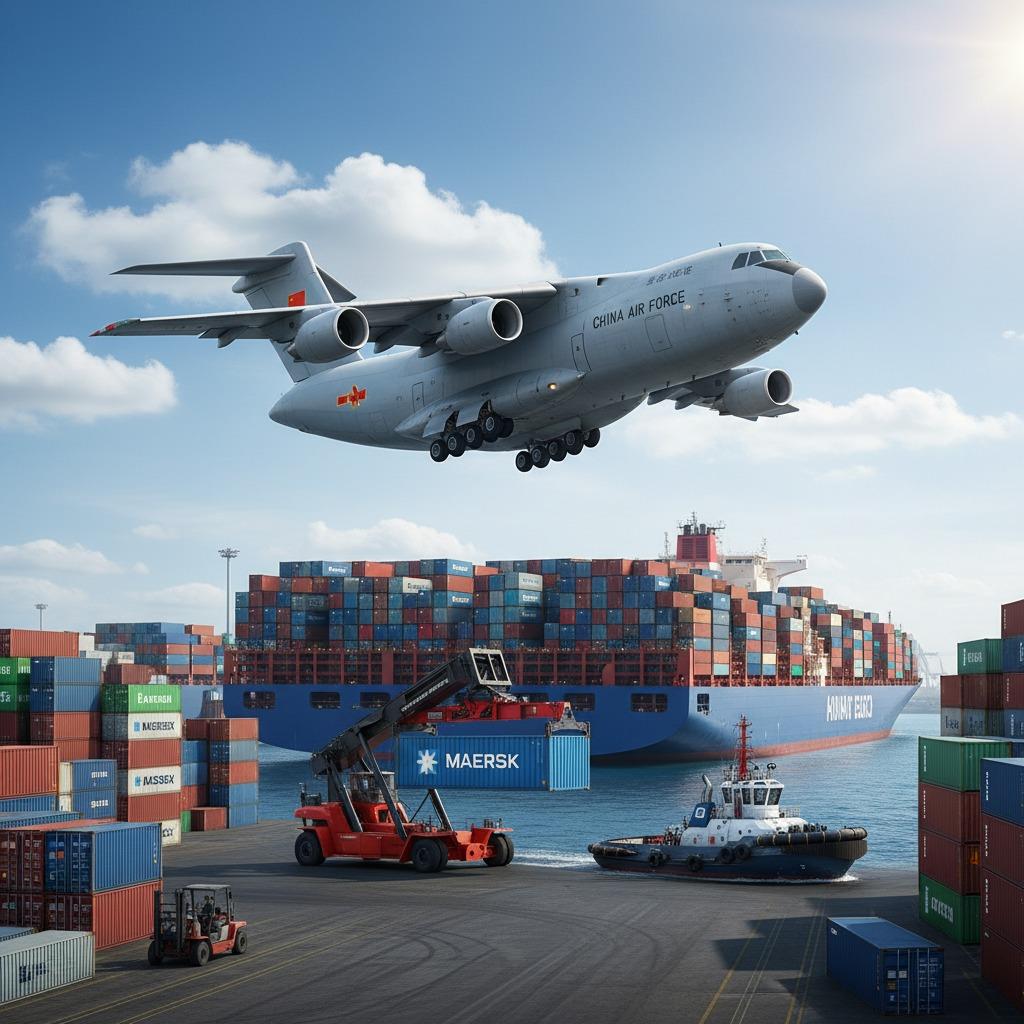
Logistics forms the backbone of modern supply chains, ensuring goods move efficiently from origin to destination. In the world of global trade, logistics encompasses everything from transportation and warehousing to inventory management and distribution. For businesses relying on seamless operations, understanding logistics is crucial. This FAQ explores key aspects of logistics, drawing on real-world examples like aircraft for air freight, container-handling cranes, and massive ships to illustrate how these elements drive efficiency and reliability.
How Do Large Transport Aircraft Contribute to Logistics?
Large transport aircraft play a vital role in logistics, especially for time-sensitive cargo and military operations. These robust machines, such as those used by the China Air Force, feature quad-engine designs mounted on swept wings for optimal thrust and stability. They excel in hauling heavy payloads over long distances, accommodating equipment and personnel with ease. Their versatile landing gear allows operations on diverse terrains, from runways to improvised strips. In logistics, this means rapid deployment for humanitarian aid or defense needs, reducing transit times and enhancing global reach. Operators appreciate the cutting-edge avionics that ensure safety and precision during flights, making these aircraft indispensable for urgent logistics demands.
What Makes Container-Handling Cranes Essential in Logistics?
Container-handling cranes are the unsung heroes of port and yard logistics, streamlining the movement of shipping containers. Modern reach stackers, for instance, boast high lifting power to manage full-size containers vertically, with robust frames built from top-grade materials for durability in intensive environments. Enhanced mobility via heavy-duty wheels and ground clearance allows them to navigate crowded yards efficiently. The advanced grip mechanism secures containers of various sizes, promoting safe stacking and loading. Eco-friendly engines support sustainable operations, while operator-friendly cabins with intuitive controls minimize errors. In logistics, these cranes boost throughput at docks and facilities, cutting costs and accelerating supply chain processes. They're perfect for high-volume operations, transforming how cargo is handled in global trade hubs.
How Do Ultra-Large Container Vessels Revolutionize Maritime Logistics?
Ultra-large container vessels represent the pinnacle of maritime logistics, designed for massive scale and efficiency. Take Maersk Line's iconic ships, with their light blue hulls and enormous container capacities stacked in dense formations. These vessels carry thousands of containers per voyage, optimizing space to lower unit costs on long-haul routes. The broad bow and elevated superstructure ensure stability and visibility, even when fully loaded, while twin exhausts support sustained operations across oceans. Branding like the prominent "MAERSK LINE" wordmark instills trust and visibility. In logistics, they integrate seamlessly with port ecosystems, aided by tugboats for maneuvering, and enable reliable intermodal networks. Their industrial aesthetics—sharp lines and modular patterns—combine functionality with a sense of global commerce, making them flagships for importers, exporters, and supply chain managers.
What Are Common Challenges in Logistics and How Can They Be Overcome?
Logistics often faces challenges like delays, high costs, and regulatory hurdles. Supply chain disruptions from weather or geopolitical issues can halt progress, but diversified transportation modes—such as combining air, sea, and ground options—mitigate risks. For instance, using large transport aircraft for urgent deliveries complements the reliability of container ships for bulk cargo. Technology integration, like automated cranes with low-emission engines, addresses sustainability concerns and improves efficiency. Inventory tracking via digital tools helps manage stock levels, preventing overstocking or shortages. Businesses can overcome these by investing in versatile equipment and skilled teams, ensuring resilient logistics that adapt to demands.
How Does Technology Enhance Modern Logistics?
Technology is transforming logistics into a smarter, faster ecosystem. Avionics in transport aircraft provide real-time data for route optimization, while cranes feature automation for precise handling. On container vessels, GPS and AI-driven navigation enhance safety and fuel efficiency. Blockchain ensures transparent tracking across the supply chain, reducing fraud and errors. These innovations lower operational costs and boost customer satisfaction. For companies, adopting such tech means competitive edges in a global market, where logistics efficiency directly impacts profitability and delivery speed.





