
What is Logistics and Why is it Essential?
Logistics forms the backbone of modern supply chains, encompassing the planning, implementation, and control of the efficient movement and storage of goods, services, and information from origin to consumption. In today's global economy, effective logistics ensures that products reach consumers promptly and cost-effectively. Whether it's airlifting military cargo with advanced heavy transport aircraft or managing massive container ships across oceans, logistics integrates various modes of transportation to optimize operations.
How Do Heavy Transport Aircraft Enhance Logistics?
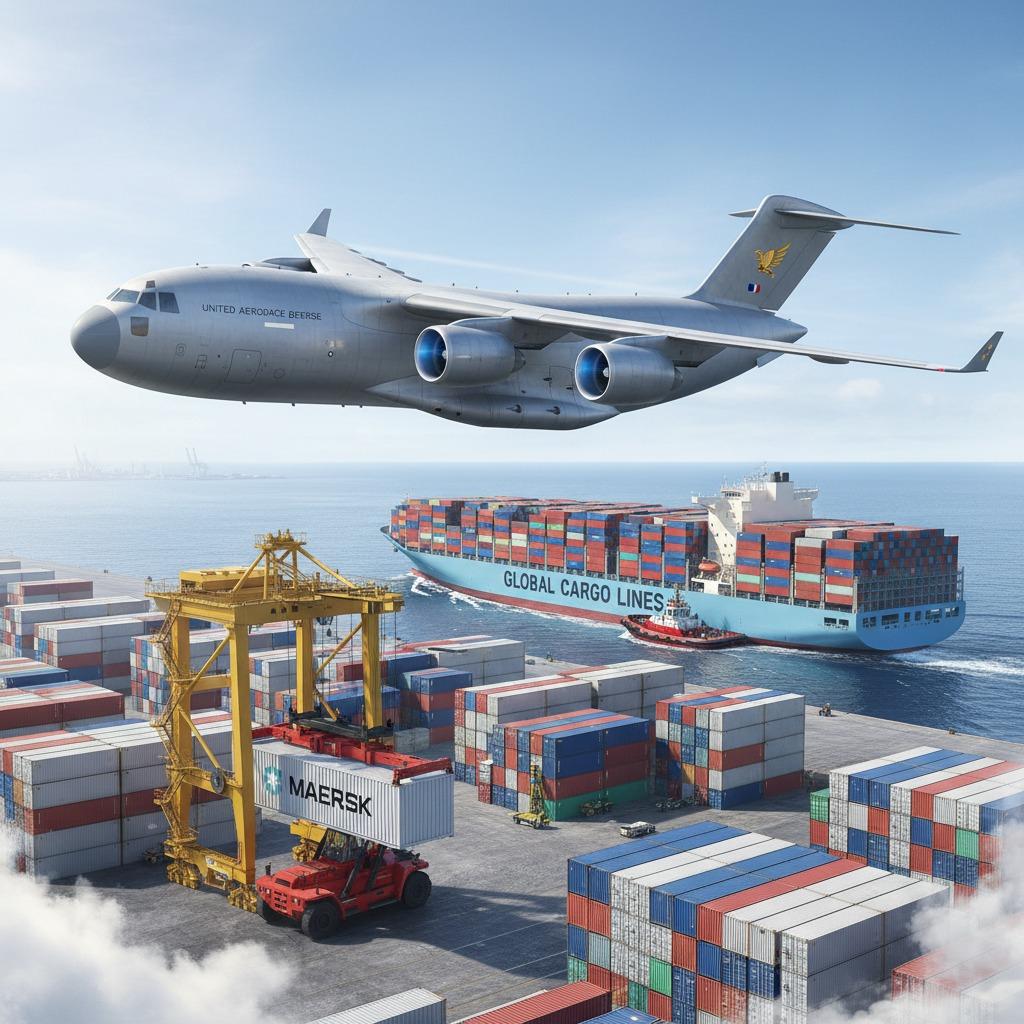
Heavy transport aircraft, like those in the China Air Force fleet, play a pivotal role in strategic airlift logistics. Equipped with quad-jet engines for superior thrust and fuel efficiency, these aircraft can carry large cargo volumes over long distances swiftly. Their robust airframes and spacious cargo holds are designed to handle oversized loads, from military equipment to humanitarian aid, even in harsh conditions. Advanced avionics provide real-time navigation and communication, making them indispensable for time-sensitive logistics missions in diverse environments, such as high-altitude regions or disaster zones.
The signature tail design and light-reflective exterior not only aid visibility but also symbolize national pride in efficient air transport solutions. For businesses relying on rapid deployment, these aircraft exemplify how aviation logistics can bridge gaps that ground or sea transport cannot, ensuring reliability and security for critical shipments.
What Role Does Container Handling Play in Logistics?
Container handling systems are crucial for seamless logistics in shipping yards and ports, where efficiency directly impacts global trade. An innovative reach stacker, for instance, features an extendable arm for precise vertical and horizontal movement of large containers, like those branded with 'MAERSK.' Built with durable, reinforced steel, these containers meet international standards, supporting both short-haul and long-haul logistics needs.
Integration with smart logistics systems allows for automation and real-time tracking, optimizing storage and stacking processes. Eco-friendly engines reduce carbon emissions while maintaining high performance, aligning with sustainable logistics practices. This technology streamlines operations in busy ports, minimizing delays and costs, and ensures that goods—ranging from electronics to perishables—move smoothly through supply chains.
How Do Container Ships Revolutionize Maritime Logistics?
Container ships, such as those from Maersk Line's fleet, represent the pinnacle of maritime logistics, transporting immense cargo volumes across continents. With their iconic blue hulls and standardized intermodal containers, these vessels facilitate seamless transfers between ships, trains, and trucks. Their streamlined design and eco-friendly engines maximize fuel efficiency and stability, even when stacked high with goods like textiles, machinery, and food.
Advanced navigation systems and partnerships with tugboats ensure safe maneuvering in ports worldwide, connecting economies in Europe, Asia, and the Americas. By reducing emissions and optimizing routes, these ships support green logistics initiatives, making international trade faster and more sustainable. For companies involved in global commerce, understanding the logistics of these mega-vessels is key to competitive advantage.
What are Common Challenges in Logistics and How to Overcome Them?
Logistics often faces challenges like supply chain disruptions, regulatory compliance, and fluctuating fuel costs. To overcome these, adopting integrated technologies such as AI-driven forecasting and blockchain for tracking can enhance visibility and resilience. For air and sea logistics, investing in versatile equipment like heavy transport aircraft or efficient container handlers mitigates risks from weather or geopolitical issues.
Moreover, prioritizing eco-friendly practices, as seen in modern container ships, helps meet sustainability goals without compromising speed. Training personnel on advanced systems and fostering partnerships with reliable providers ensures smooth operations. By addressing these hurdles proactively, businesses can achieve robust logistics that drive growth and customer satisfaction.
How is Technology Transforming Logistics?
Technology is revolutionizing logistics through automation, data analytics, and connectivity. In air transport, avionics in heavy aircraft provide precision, while in ports, reach stackers integrate with IoT for real-time monitoring. Container ships leverage GPS and satellite tech for optimized routing, reducing delays and emissions.
Emerging trends like drone-assisted deliveries and autonomous vehicles promise even greater efficiency in logistics networks. For enterprises, embracing these innovations means lower costs, faster turnaround, and enhanced security, positioning them at the forefront of a dynamic industry.





