
Traditional Logistics vs. Modern Innovations: A Comparative Analysis
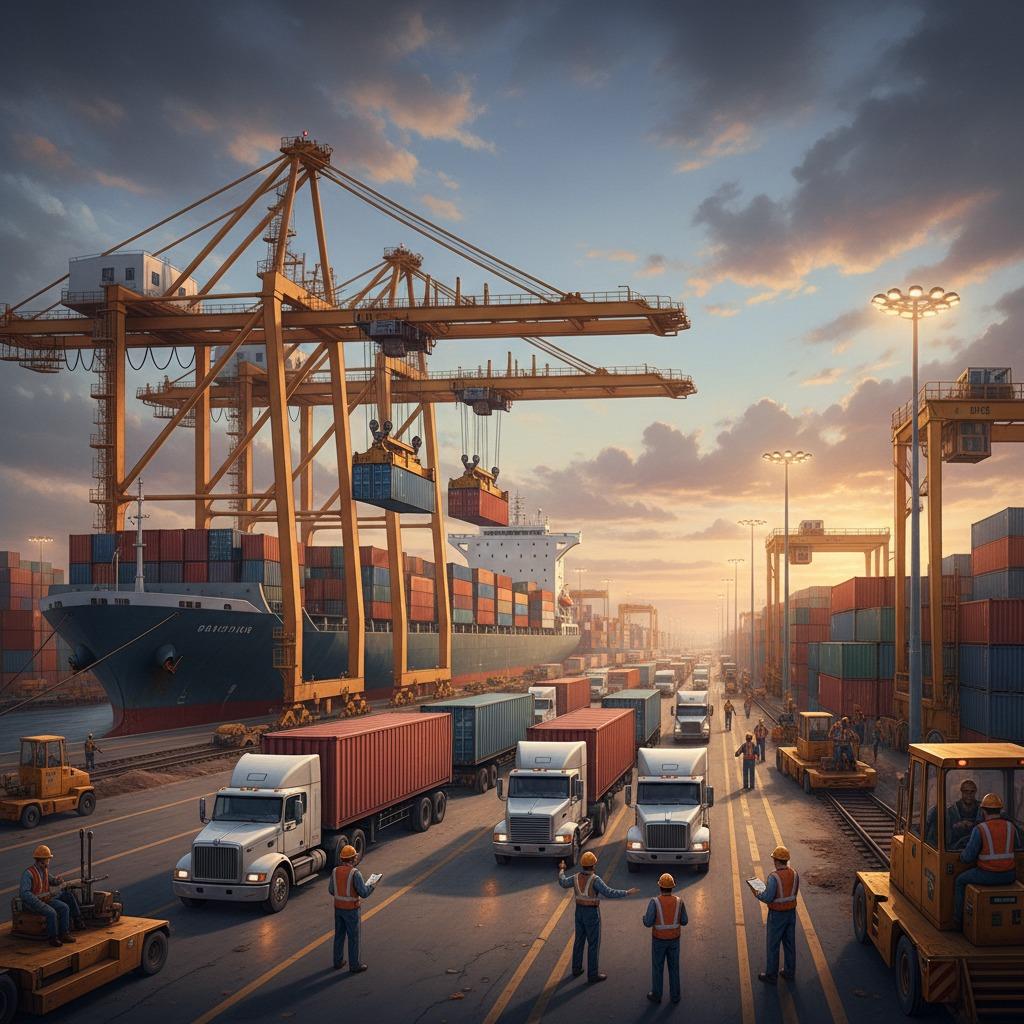
In the realm of logistics, efficiency and reliability have always been paramount, but the evolution from traditional methods to cutting-edge technologies marks a profound shift in how goods move across the globe. Traditional logistics, often reliant on manual processes and conventional fleets, contrasts sharply with modern systems that integrate automation and digital intelligence. This comparison highlights how advancements in logistics are reshaping industries, making operations faster, greener, and more cost-effective while addressing the limitations of outdated approaches.
Key Features of Traditional Logistics Systems
Traditional logistics typically revolves around physical assets like semi-trucks and maritime vessels operating in established routines. For instance, high-performance freight solutions feature robust semi-trucks with modern aerodynamic designs that reduce drag for fuel efficiency on long-haul trips. These trucks, equipped with premium containers compliant with international standards, handle heavy-duty hauling across diverse terrains. Advanced engine systems provide the necessary power and torque for payloads without sacrificing speed, while safety features such as ergonomic interiors, modern brakes, and suspension systems ensure driver comfort and security. Eco-friendly elements, like minimized emissions through optimized operations, are present but often secondary to raw performance. Container shipping terminals exemplify this era, with massive ships docked at strategic docks where giant loading cranes—towering structures with precision hydraulics—swiftly transfer cargo. Intermodal connectivity links these ports to storage yards, facilitating transfers to trucks or rails, though processes can be labor-intensive and prone to delays from weather or human error. While reliable for regional and international providers, traditional logistics struggles with scalability in high-volume global trade, leading to bottlenecks and higher operational costs.
Revolutionary Aspects of Modern Logistics Infrastructure
In stark contrast, modern logistics embraces a smart ecosystem that seamlessly integrates air, land, and sea transport through advanced technologies. Automated drones and autonomous cargo planes enable fast, on-demand deliveries, equipped with collision detection for safe aerial operations over urban and intercity routes. Smart port integration uses AI-driven systems to coordinate container movements in real time, with automated cranes reducing human dependency and turnaround times. Digitally optimized warehousing features real-time inventory tracking and automated retrieval, enhanced by energy-efficient designs like rooftop gardens that lower carbon footprints. Connected highways and rail systems synchronize high-speed trains and electric/hybrid trucks via IoT networks, optimizing routes with intelligent navigation for flawless scheduling. Sustainability is core here, with renewable energy sources like solar panels and electrified rails minimizing emissions. Digital command centers provide predictive analytics and visualization dashboards for comprehensive management, while seamless multimodal transitions at intermodal hubs eliminate bottlenecks. This infrastructure reimagines logistics by converging speed, efficiency, and environmental responsibility, far surpassing the reactive nature of traditional setups.
Comparing Efficiency, Sustainability, and Scalability
When comparing the two, traditional logistics excels in proven durability and hands-on control, ideal for businesses with established routes and moderate demands. Its fleet's focus on powerful engines and safety ensures reliable deliveries, but it often incurs higher fuel costs and environmental impact due to less integrated tech. Modern logistics, however, offers superior scalability through automation, reducing errors and enabling 24/7 operations—drones handle last-mile deliveries that trucks can't efficiently reach, and AI ports process volumes that would overwhelm manual cranes. Sustainability-wise, traditional methods incorporate some green tech but fall short against modern renewable integrations, which align with global goals to cut emissions drastically. Cost-wise, initial investments in smart systems yield long-term savings via predictive maintenance and optimized routing, contrasting with the ongoing expenses of traditional maintenance. Ultimately, while traditional logistics provides a solid foundation, modern innovations propel the industry toward a future where adaptability and eco-consciousness drive competitive advantage, benefiting providers from regional haulers to international giants.





