
The Backbone of Global Trade: Understanding Logistics
Logistics forms the essential framework that keeps the wheels of the global economy turning. It encompasses the planning, implementation, and control of the efficient movement and storage of goods, services, and related information from origin to consumption. In today's interconnected world, effective logistics ensures that products reach consumers promptly and cost-effectively, driving commerce and innovation across borders. As industries evolve, the focus on streamlined processes has never been more critical, especially with the rise of e-commerce and just-in-time manufacturing.
Key Components of Transportation Logistics
Transportation logistics is a vital subset of logistics, involving the coordination of various modes of transport to move goods from suppliers to end-users. This includes road, rail, air, and sea transport, each playing a distinct role in the supply chain. For instance, road transport offers flexibility for last-mile delivery, while rail provides cost-effective bulk movement over long distances. Air transport excels in speed for high-value or perishable items, and maritime routes handle the majority of international cargo volume. Efficient transportation logistics minimizes delays, reduces costs, and optimizes routes using advanced tracking technologies like GPS and IoT sensors. Statistics show that global transportation logistics handles over 90% of world trade by volume, underscoring its indispensable nature. Challenges such as traffic congestion, fuel price fluctuations, and regulatory compliance require innovative solutions, including electric vehicles and automated routing software, to enhance sustainability and reliability.
The Role of International Logistics in a Connected World
International logistics extends the scope of logistics beyond domestic borders, managing the complexities of cross-border shipments. It involves customs clearance, tariff navigation, and compliance with diverse international regulations to ensure seamless goods flow. In an era of globalization, international logistics facilitates trade between continents, supporting everything from electronics manufacturing in Asia to agricultural exports from South America. Key strategies include building strategic partnerships with freight forwarders and utilizing free trade agreements to lower barriers. For example, the implementation of blockchain technology in international logistics can provide real-time visibility, reducing paperwork and fraud risks by up to 30%, according to industry reports. Moreover, geopolitical events and supply chain disruptions, like those seen during the COVID-19 pandemic, highlight the need for resilient international logistics networks. Companies are increasingly investing in diversified sourcing and multi-modal transport to mitigate risks, ensuring that global supply chains remain robust and adaptive.
Innovations Shaping the Future of Logistics
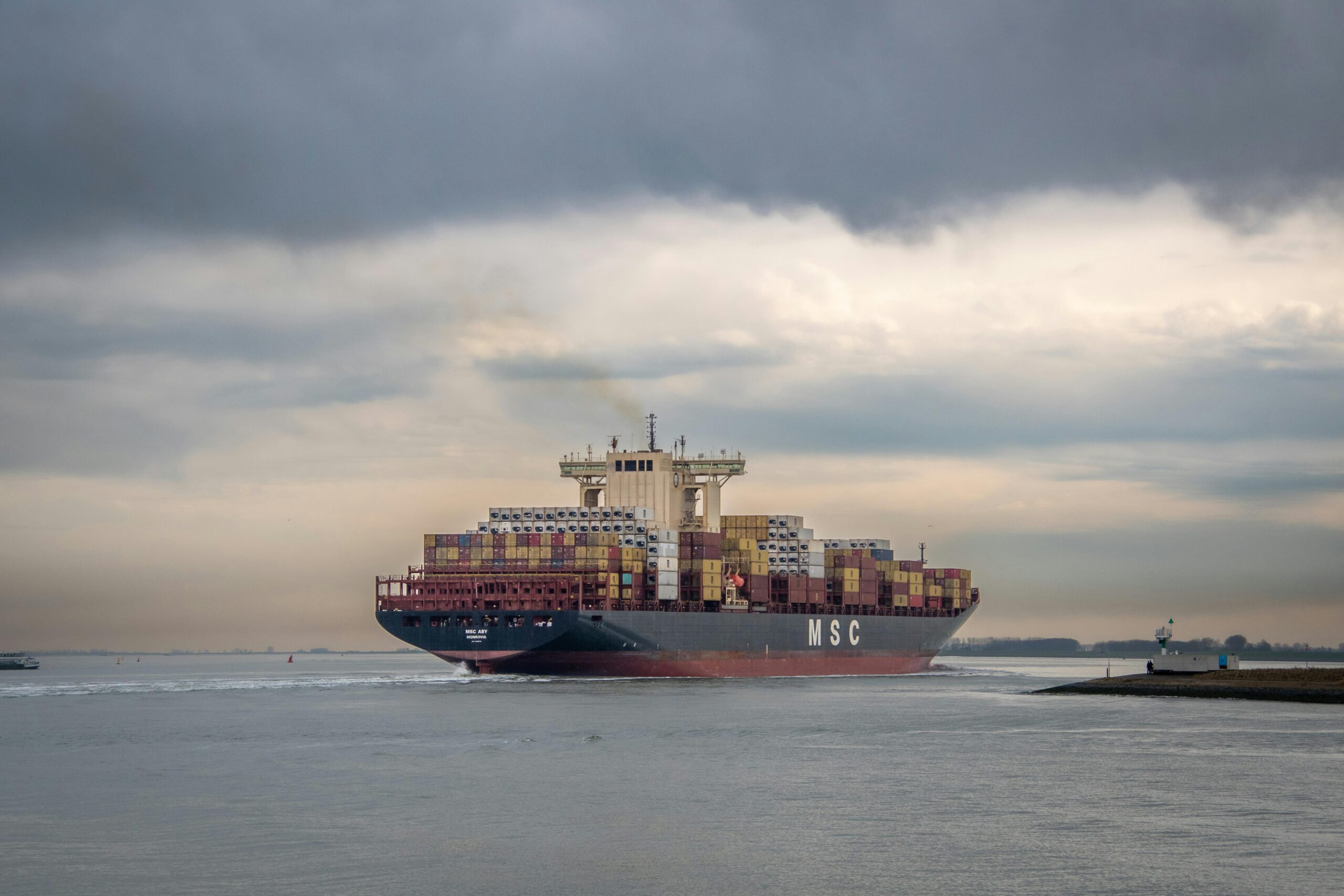
The future of logistics is being redefined by technological advancements that promise greater efficiency and environmental responsibility. Automation, such as drone deliveries and robotic warehouses, is revolutionizing how goods are handled, cutting labor costs and error rates. Artificial intelligence algorithms predict demand patterns, optimizing inventory and reducing waste. Sustainability is at the forefront, with green logistics initiatives focusing on low-emission vehicles and carbon-neutral shipping. A prime example is the large capacity container vessel, a marvel of modern maritime engineering that exemplifies cutting-edge design in logistics. This vessel, with its immense cargo-carrying capabilities, transports thousands of containers stacked neatly across its deck, serving as a crucial backbone in facilitating international trade. Its streamlined build reduces water resistance, while onboard technology optimizes fuel consumption to minimize environmental impact. Reinforced to handle varying weather conditions, it ensures secure transportation of goods over long distances. The containers onboard represent a wide range of industries—from consumer goods to raw materials—showcasing how interconnectivity via maritime routes powers economies worldwide. This ship's operational excellence emphasizes precision in logistics, embodying the future of streamlined global supply chain management with scale, innovation, and efficiency.
In summary, logistics, through its transportation and international facets, remains pivotal in sustaining global commerce. As technologies advance, the industry continues to evolve, promising even more integrated and eco-friendly solutions for tomorrow's challenges.





