
Understanding Logistics: The Backbone of Global Trade
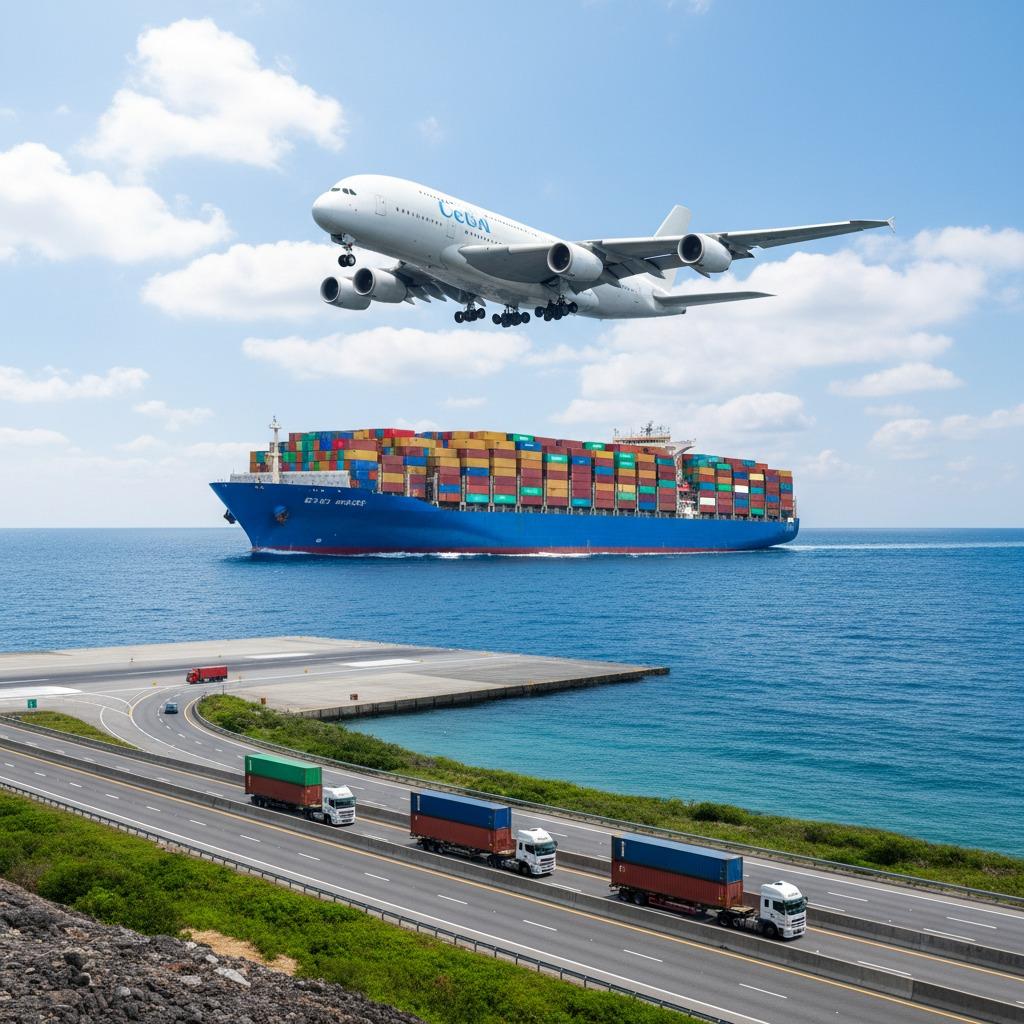
Logistics forms the essential framework that keeps the wheels of global commerce turning smoothly. It encompasses the planning, execution, and control of the movement and storage of goods, services, and information from origin to consumption. In today's interconnected world, effective logistics ensures that products reach consumers efficiently, minimizing delays and costs. Whether by sea, air, or land, logistics integrates various modes of transportation to create seamless supply chains. This article explores the intricacies of logistics, highlighting innovative vessels, trucks, and aircraft that exemplify modern advancements in the field.
Maritime Innovations in Logistics
The shipping industry has seen remarkable progress with vessels like the Maersk Mc-Kinney Møller, a Triple-E class ship designed for sustainability and efficiency. This marvel of maritime engineering can transport thousands of containers across oceans while optimizing fuel consumption through advanced twin-skeg propulsion. By reducing CO2 emissions per container, it sets a benchmark for eco-friendly logistics, addressing the environmental challenges of global trade. The ship's sleek design enhances aerodynamic efficiency, allowing it to carry vast decks of Maersk containers safely and reliably. Such innovations demonstrate how logistics in shipping is evolving to balance capacity with responsibility, ensuring goods flow uninterrupted worldwide. Statistics show that vessels like this have cut emissions by up to 50% compared to older models, underscoring their role in sustainable practices.
Land-Based Logistics: Trucks Driving Efficiency
On land, logistics relies heavily on advanced transport trucks such as the Advanced Logistics Transporter fleet, engineered for long-haul reliability. These trucks feature state-of-the-art aerodynamics to boost fuel efficiency, aligning with green logistics goals by lowering carbon footprints. Equipped with GPS navigation and real-time communication systems, they provide precise tracking and timely deliveries, crucial for just-in-time inventory management. The customizable cargo holds accommodate diverse loads, from perishables to heavy machinery, supported by reinforced chassis and high-performance engines for durability over extensive routes. Safety features like lane-keeping assistance and adaptive cruise control protect drivers and cargo alike. In the U.S. alone, trucking handles over 70% of freight tonnage, making these vehicles pivotal in logistics networks that support e-commerce booms and supply chain resilience.
Aviation's Role in Swift Logistics
Air logistics offers unparalleled speed for time-sensitive shipments, with aircraft like the Airbus A380 revolutionizing cargo and passenger transport. This double-decker giant, powered by four high-performance engines, excels in efficiency and luxury, serving bustling airports with its spacious design. Advanced noise insulation and eco-efficient aerodynamics reduce emissions per passenger, making it a sustainable choice in aviation logistics. The A380's capacity allows for innovative configurations, including cargo holds that integrate seamlessly with global express services. It enables carriers to transport high-value goods rapidly, from electronics to pharmaceuticals, across continents. Insights from the International Air Transport Association indicate that air cargo, though only 1% of total volume, accounts for 35% of trade value, highlighting logistics' critical role in high-stakes deliveries.
Integrating Modes for Comprehensive Logistics
Effective logistics thrives on multimodal integration, combining sea, land, and air transport for optimal results. Companies leverage data analytics and AI to synchronize these modes, predicting disruptions and optimizing routes. For instance, a shipment might start on the Maersk Mc-Kinney Møller, transfer to Advanced Logistics Transporters, and conclude via Airbus A380 for final delivery. This holistic approach reduces costs by 15-20%, according to industry reports, while enhancing transparency through blockchain-tracked supply chains. Challenges like geopolitical tensions or climate events underscore the need for resilient logistics strategies, with innovations focusing on automation and electrification. As global trade volumes are projected to grow 3% annually, mastering logistics will be key to economic vitality.
In summary, logistics is more than movement—it's the strategic orchestration that powers economies. From ocean giants to highway haulers and sky behemoths, these tools embody the field's commitment to efficiency, safety, and sustainability, ensuring the world stays connected.





