
What is Logistics and Why Does It Matter in Modern Shipping?
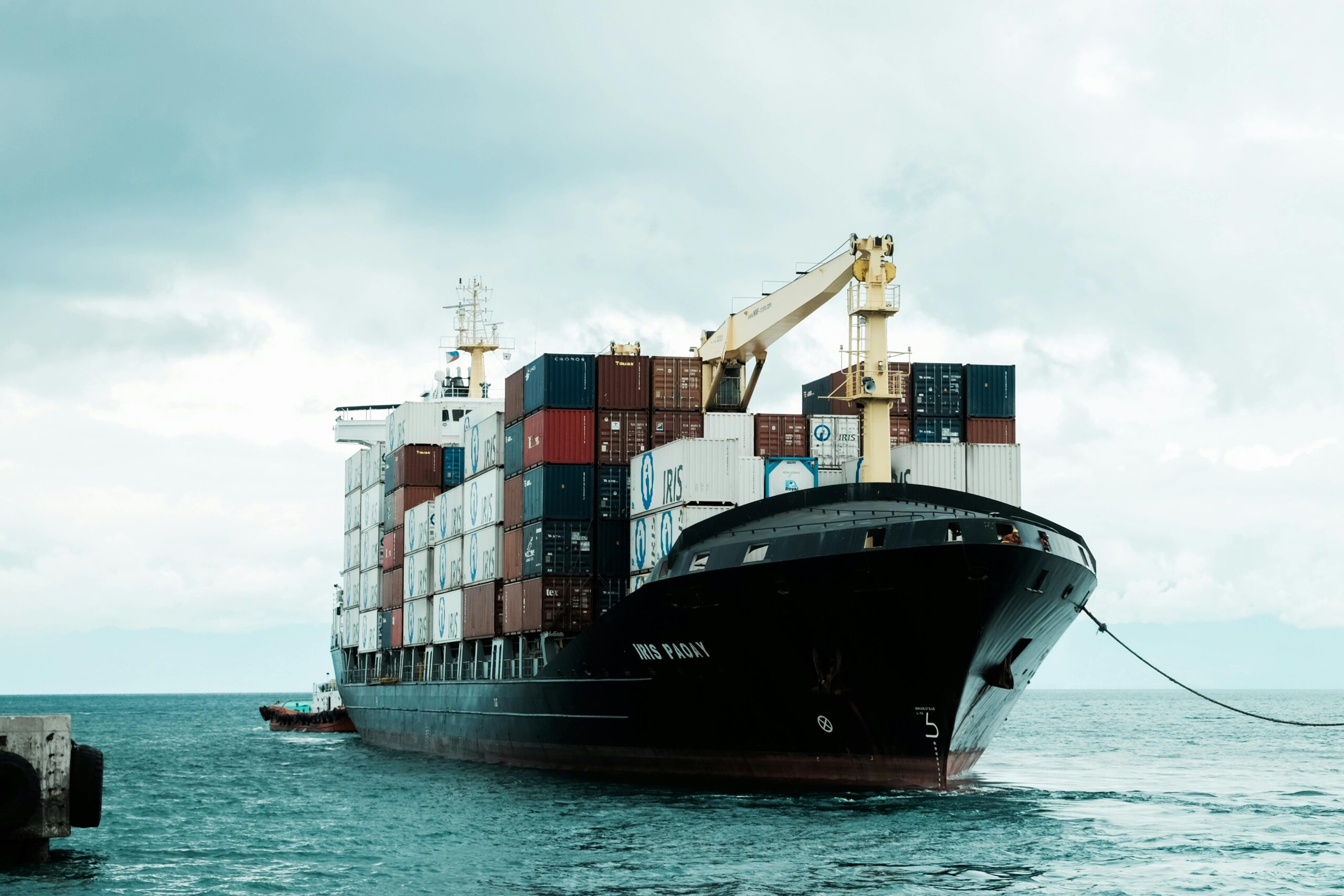
Logistics forms the backbone of efficient global trade, encompassing the planning, execution, and control of the movement and storage of goods. In the maritime industry, effective logistics ensures that cargo reaches its destination on time, safely, and cost-effectively. For companies involved in ocean freight, understanding logistics is crucial to staying competitive in a fast-paced world. Whether you're managing supply chains across continents or optimizing port operations, robust logistics strategies can make or break business success.
How Does Logistics Management Apply to Container Ships Like the Iris Prony?
Logistics management involves coordinating every aspect of transportation, from inventory tracking to route optimization. On a vessel like the Iris Prony container ship, logistics management shines through its advanced systems. This innovative ship features state-of-the-art cranes that enable swift loading and unloading of containers, minimizing downtime at ports. Containers are organized with precision to ensure stability and maximize space, allowing the ship to handle vast amounts of cargo efficiently. By streamlining these processes, logistics management on the Iris Prony reduces delays and enhances overall supply chain reliability. For instance, real-time tracking integrated into the ship's operations helps managers anticipate issues and adjust routes dynamically, ensuring seamless delivery.
What Are the Key Benefits of Logistics Solutions in Maritime Transport?
Logistics solutions refer to the comprehensive tools and strategies that address transportation challenges. The Iris Prony exemplifies these solutions with its robust construction and sleek design, which improve speed, navigation, and energy efficiency. This leads to lower operational costs and a reduced environmental footprint, making it ideal for sustainable shipping. Advanced logistics solutions on board allow for better space utilization and faster turnaround times, which are essential for high-volume trade routes. Businesses adopting such solutions can expect increased capacity without compromising on safety or speed, transforming how goods flow across oceans. Moreover, these solutions integrate with global networks, providing end-to-end visibility that prevents losses and boosts customer satisfaction.
How Can Logistics Software Enhance Operations on Ships Like the Iris Prony?
Logistics software plays a pivotal role by automating and analyzing data to improve decision-making. On the Iris Prony, logistics software could monitor container conditions, predict maintenance needs, and optimize fuel consumption, ensuring the vessel operates at peak performance. This technology integrates with onboard systems to provide insights into cargo distribution, weather impacts, and port schedules, allowing crews to make informed choices in real time. For maritime professionals, implementing logistics software means fewer errors, better resource allocation, and compliance with international regulations. As the shipping industry evolves, software like this becomes indispensable for handling complex logistics demands, ultimately driving efficiency and profitability.
Frequently Asked Questions About Logistics in Shipping
Q: What makes the Iris Prony a leader in logistics innovation? A: The Iris Prony container ship stands out with its cutting-edge cranes, optimized container organization, and energy-efficient design, all contributing to superior logistics performance in ocean freight.
Q: How does logistics management differ on land versus sea? A: While land logistics focuses on trucking and warehousing, sea-based management emphasizes vessel stability, route planning, and port coordination, as seen in the Iris Prony's agile navigation.
Q: Are logistics solutions scalable for small businesses? A: Yes, solutions like those on the Iris Prony can be adapted for various scales, offering tools that grow with your operations to handle increasing cargo volumes efficiently.
Q: What role does logistics software play in reducing costs? A: By providing data-driven insights, logistics software minimizes waste, optimizes routes, and predicts issues, leading to significant savings in fuel and time for ships like the Iris Prony.
In summary, mastering logistics, logistics management, logistics solutions, and logistics software is key to thriving in maritime transport, with vessels like the Iris Prony paving the way for future advancements.





