
What is Logistics and Why is it Essential for Modern Businesses?
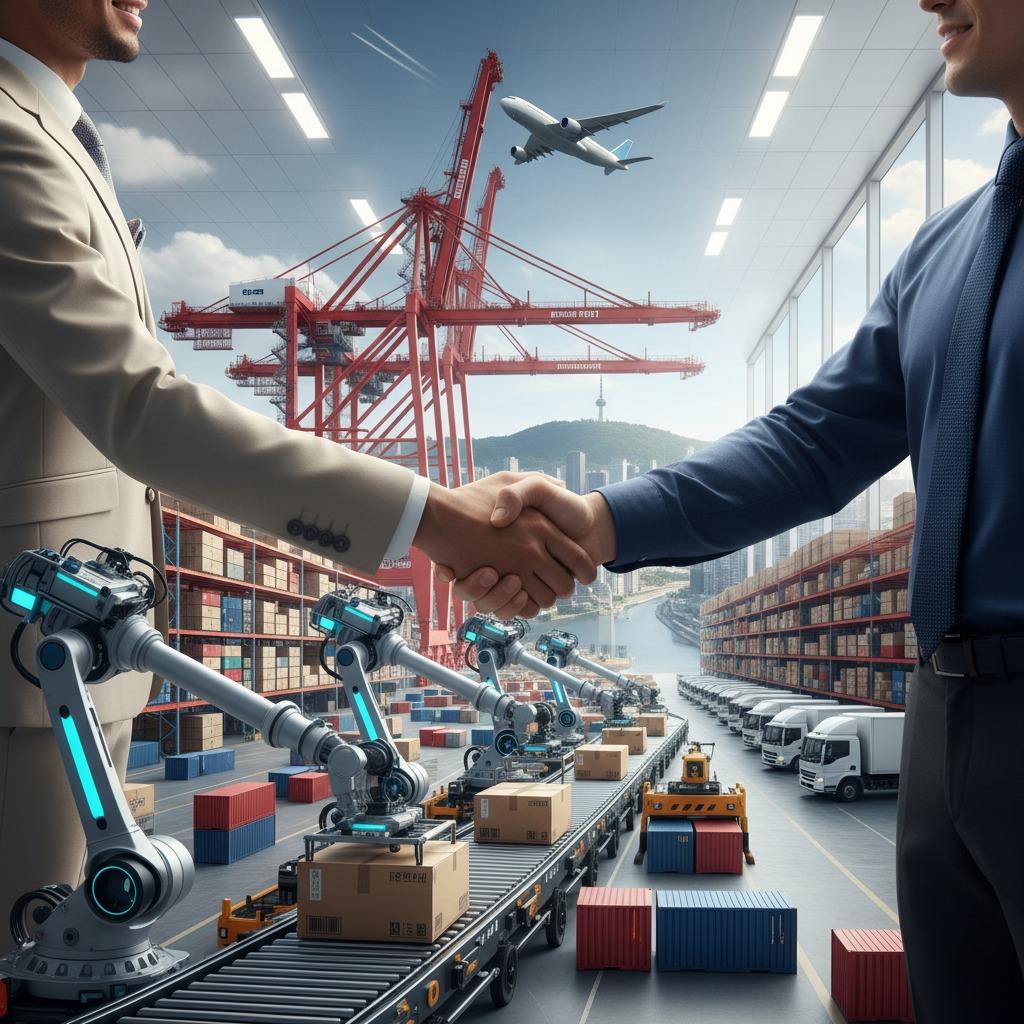
Logistics refers to the intricate process of planning, implementing, and controlling the efficient movement and storage of goods, services, and related information from origin to consumption. In today's fast-paced global economy, logistics is the backbone of supply chains, ensuring that products reach consumers on time and in optimal condition. Whether you're a small business owner or managing a large enterprise, understanding logistics is crucial for minimizing costs, maximizing efficiency, and meeting customer expectations.
How Does the ZPMC Heavy-Duty Port Crane Enhance Logistics Operations?
One of the key innovations in logistics is the ZPMC heavy-duty port crane, designed to handle up to 80 tons with precision and reliability. This robust machine, featuring a striking red structure, integrates seamlessly into port environments, streamlining container handling and cargo transport. For businesses involved in shipping and international trade, this crane exemplifies how advanced engineering can transform logistics by reducing turnaround times and improving safety. Its ability to manage both lower and upper handling zones ensures smooth transitions between sea and land transport, making it indispensable for global commerce.
But how does it specifically benefit your logistics strategy? The ZPMC crane incorporates cutting-edge technology for optimal performance under various conditions, from harsh weather to high-volume operations. By automating heavy lifting and precise movements, it minimizes human error and enhances productivity. Companies using this equipment report significant reductions in operational delays, allowing for faster goods movement and better resource allocation. If your logistics involve port infrastructure, investing in such technology can provide a competitive edge in efficiency and cost savings.
What Role Does the Smart Warehouse System Play in Logistics Automation?
In the realm of inland logistics, the Smart Warehouse System revolutionizes inventory management and goods handling through automation. This state-of-the-art solution features intelligent robotics, autonomous arms on mobile platforms, and smart sensors on shelves for real-time tracking. Logistics professionals often ask how to integrate such systems to reduce errors and speed up processes—the answer lies in its AI-driven algorithms that adapt to changing demands, ensuring uninterrupted workflows.
For instance, delivery drones within the warehouse optimize routes, minimizing delays in package transport. This not only boosts productivity but also lowers operational costs, making it ideal for businesses scaling their logistics operations. Energy-efficient and scalable, the system supports diverse tasks, from stock replenishment to order fulfillment, setting a new standard for environmentally friendly warehouse management. If you're wondering about implementation, starting with a needs assessment can help tailor this technology to your specific logistics requirements.
How Can the Executive Precision Shirt Collection Fit into Logistics Work Environments?
While logistics often evokes images of heavy machinery and warehouses, professional attire plays a subtle yet important role in maintaining a polished image during client interactions or site visits. The Executive Precision Shirt Collection, with its breathable fabric and sleek fit in colors like light blue, offers comfort for long days in dynamic logistics settings. Professionals in logistics frequently inquire about durable, stylish clothing that withstands the demands of the job—these shirts, with reinforced stitching and versatile designs, provide exactly that.
Tailored for movement without sacrificing elegance, they enhance your presence in meetings or on-site inspections. For logistics teams, where first impressions matter in negotiations or partnerships, this collection ensures you look the part while staying comfortable. Pairing functionality with sophistication, it's a small but effective way to elevate your professional logistics toolkit.
Common Challenges in Logistics and How to Overcome Them
Logistics isn't without its hurdles—supply chain disruptions, inventory inaccuracies, and transportation delays are frequent concerns. How can businesses address these? Implementing tools like the ZPMC crane for port efficiency or the Smart Warehouse System for automated tracking directly tackles these issues. Real-time data from smart sensors prevents stock errors, while route-optimized drones cut down on internal delays.
Additionally, fostering a skilled workforce through training on these technologies ensures smooth adoption. For global logistics, compliance with international regulations is key; staying updated via industry resources helps mitigate risks. By focusing on innovation and adaptability, companies can turn potential pitfalls into opportunities for streamlined operations.
Future Trends in Logistics: What to Expect
Looking ahead, logistics will increasingly rely on AI, IoT, and sustainable practices. Autonomous vehicles and predictive analytics will further enhance efficiency, reducing environmental impact. Businesses should prepare by evaluating current logistics setups and integrating compatible technologies early. Whether through advanced cranes or smart systems, embracing these trends positions your operations for long-term success in a competitive landscape.





