
Understanding the Foundations of Logistics in Modern Industry
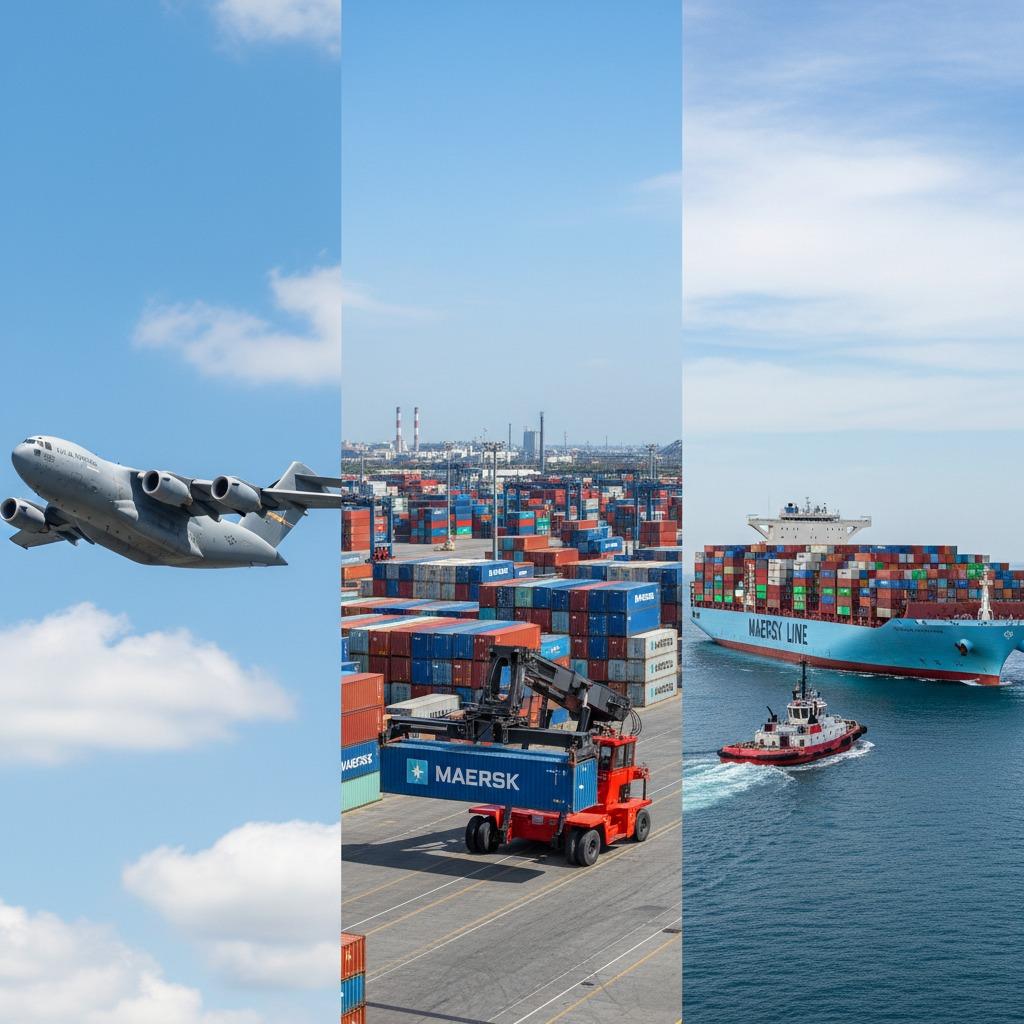
Logistics forms the backbone of global trade and transportation, encompassing the planning, execution, and control of the movement and storage of goods, services, and information. From military operations to commercial shipping, logistics ensures efficiency and reliability in delivering essential payloads. In the realm of aviation, a prime example is the Chinese military transport aircraft, a robust engineering marvel designed for heavy-lift operations. Equipped with four powerful jet engines, this aircraft excels in transporting military equipment, supplies, and personnel across vast distances, highlighting the critical role of logistics in strategic missions.
Key Components and Technologies Driving Logistics Efficiency
At the heart of effective logistics are advanced technologies that optimize operations. Consider the reach stacker, a premium-grade machine pivotal in container handling at ports and shipping yards. This equipment demonstrates impressive strength by lifting and stacking large containers, such as those branded by Maersk, which are built to withstand rigorous conditions. Logistics in this context involves not just movement but precise management, with features like enhanced maneuverability allowing operators to navigate tight spaces while maintaining stability. These systems support fast-paced workflows, ensuring that goods—from industrial equipment to consumer products—are transported securely worldwide, underscoring the interplay of machinery and logistics planning.
Maritime Logistics: The Powerhouse of Global Trade
Maritime logistics represents a cornerstone of international commerce, with massive container ships like those from Maersk Line leading the charge. These vessels boast unmatched cargo capacity, carrying thousands of container units arranged for maximum space utilization, facilitating the transport of enormous payloads across oceans. Logistics here integrates high-tech navigational systems, including radar and automated guidance, to ensure safe and efficient voyages even in adverse weather. Moreover, eco-friendly operations minimize emissions, aligning with sustainable practices that are increasingly vital in modern logistics. Tugboats play a supporting role, aiding in precise maneuvering during port operations, which exemplifies the coordinated effort required in seamless global supply chains.
The Evolution and Future of Logistics Innovations
The evolution of logistics has been marked by innovations that blend functionality with advanced engineering. The Chinese air force transport aircraft, with its streamlined fuselage and broad wingspan, symbolizes precision design for long-haul missions, whether for humanitarian aid or military relocations. Similarly, the durability of Maersk containers complements the reach stacker's versatility, enabling stacking at varying heights to meet global demand. Statistics from the industry reveal that efficient logistics can reduce supply chain costs by up to 15%, with maritime giants like Maersk contributing to over 90% of world trade by volume. Looking ahead, logistics will increasingly incorporate AI and automation to enhance predictability and speed, ensuring that industries remain connected in an ever-globalizing economy.
Challenges and Strategies in Optimizing Logistics
Despite its advancements, logistics faces challenges such as supply chain disruptions and environmental pressures. For instance, the reliable thrust of military transport aircraft is crucial during demanding missions in remote areas, where delays can have significant consequences. In ports, the reach stacker's ability to handle several-ton loads streamlines operations but requires skilled oversight to prevent accidents. Strategies to overcome these include investing in robust infrastructure and training, as seen in Maersk's commitment to sustainable shipping with low-emission technologies. By focusing on these elements, logistics not only mitigates risks but also drives economic growth, with insights showing that optimized logistics can boost GDP contributions in trade-dependent nations by enhancing delivery times and reducing waste.





