
Understanding the Essentials of Logistics
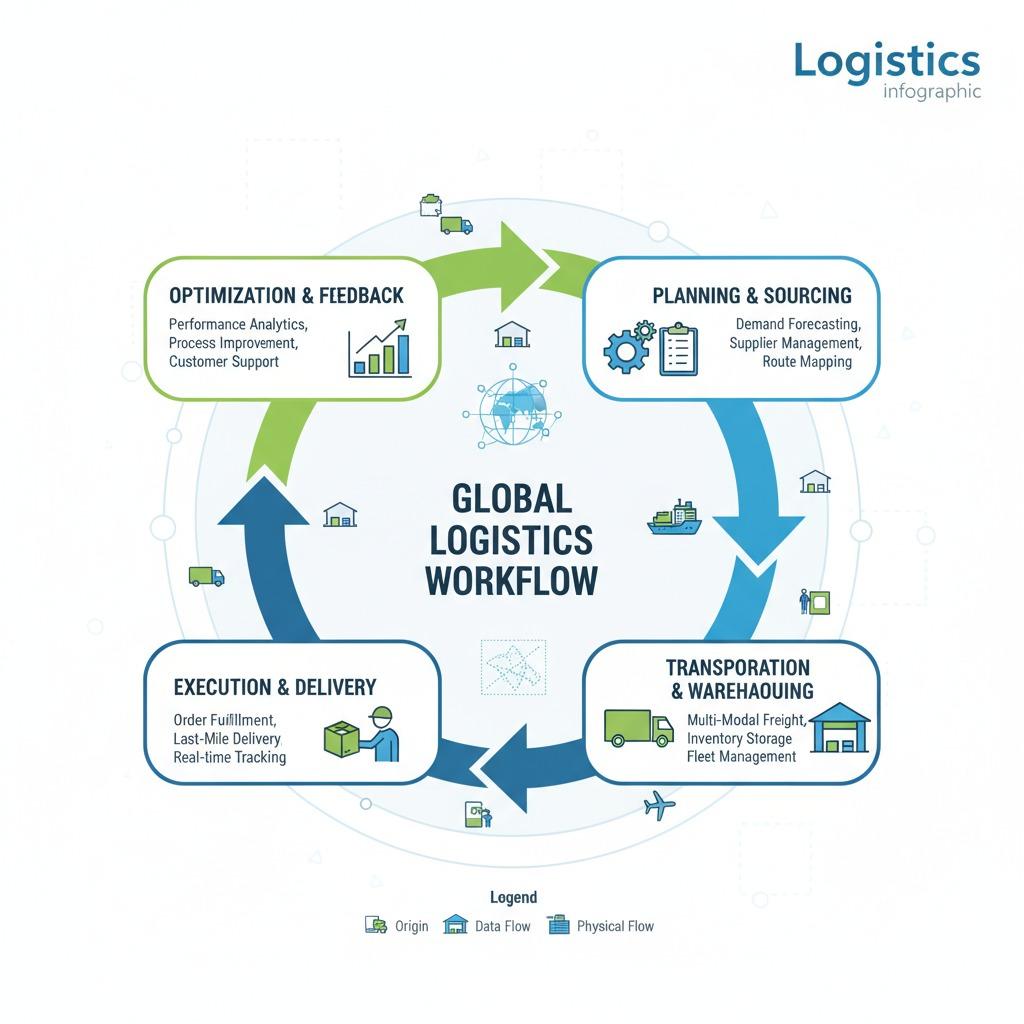
Logistics forms the backbone of modern supply chains, ensuring that goods and services move efficiently from origin to destination. In today's fast-paced world, effective logistics is crucial for businesses aiming to stay competitive. This involves not just transportation but also planning, execution, and optimization of processes to minimize costs and maximize speed. Whether in aviation, maritime, or ground transport, logistics integrates various technologies and strategies to handle everything from inventory management to delivery tracking.
Advanced Technologies in Airport Logistics
At bustling airports, logistics takes on a high-stakes role with cutting-edge equipment transforming ground operations. Modern setups feature advanced fueling systems in sleek tankers that provide rapid, safe refueling for aircraft. These systems include onboard monitoring for fuel quality and volume, while eco-friendly designs cut down emissions. Smart luggage handling via automated conveyors with real-time tracking reduces wait times and protects items through integrated sensors. High-performance aircraft docking with jet bridges offers ergonomic adjustments and safety mechanisms for seamless passenger boarding. Additionally, eco-friendly service vehicles, powered by hybrid or electric engines, support maintenance and catering tasks, significantly lowering the carbon footprint. Safety gear for personnel, embedded with RFID and communication tech, ensures coordinated, secure operations. This suite of innovations highlights how logistics in aviation prioritizes efficiency, sustainability, and passenger satisfaction.
Innovations in Aircraft and Cargo Logistics
Commercial aircraft represent a pinnacle of logistical integration, designed for performance and comfort while optimizing fuel efficiency. With twin high-powered engines and advanced aerodynamics, these planes enable long-range flights with reduced emissions. Inside, wide fuselages house premium seating, customizable lighting, and superior air systems for passenger well-being. From a logistics perspective, pilots rely on cutting-edge avionics like navigation systems and real-time analytics to enhance safety and control. On the ground, logistics extends to cargo transportation through high-performance container trucks built for global freight. These trucks boast durable frames for 20’ or 40’ containers, optimized engines for fuel savings, and safety features like electronic stability control. GPS tracking and aerodynamic builds further streamline operations, making them vital for industries like manufacturing and e-commerce. By reducing wind resistance and enabling real-time monitoring, these vehicles ensure reliable supply chain flow across rugged terrains and urban routes.
The Future of Logistics and Industry Impact
Looking ahead, logistics continues to evolve with a focus on sustainability and digital integration. Airports and freight companies are adopting modular ground support equipment that adapts to varying needs, from baggage to maintenance. This not only boosts operational speed but also aligns with global environmental goals by minimizing noise and pollution. In cargo sectors, the rise of connected systems allows for predictive analytics, forecasting delays and optimizing routes. Businesses benefit from these advancements as logistics becomes more resilient against disruptions like weather or supply shortages. For instance, the combination of electric vehicles and smart tracking in airport setups exemplifies a shift toward greener practices without sacrificing efficiency. Overall, robust logistics frameworks enable seamless global connectivity, supporting economic growth and innovation. As industries increasingly rely on these systems, the emphasis on safety, speed, and eco-consciousness will define the next era of transportation and supply chain management.





