
Traditional Logistics vs. Modern Innovations
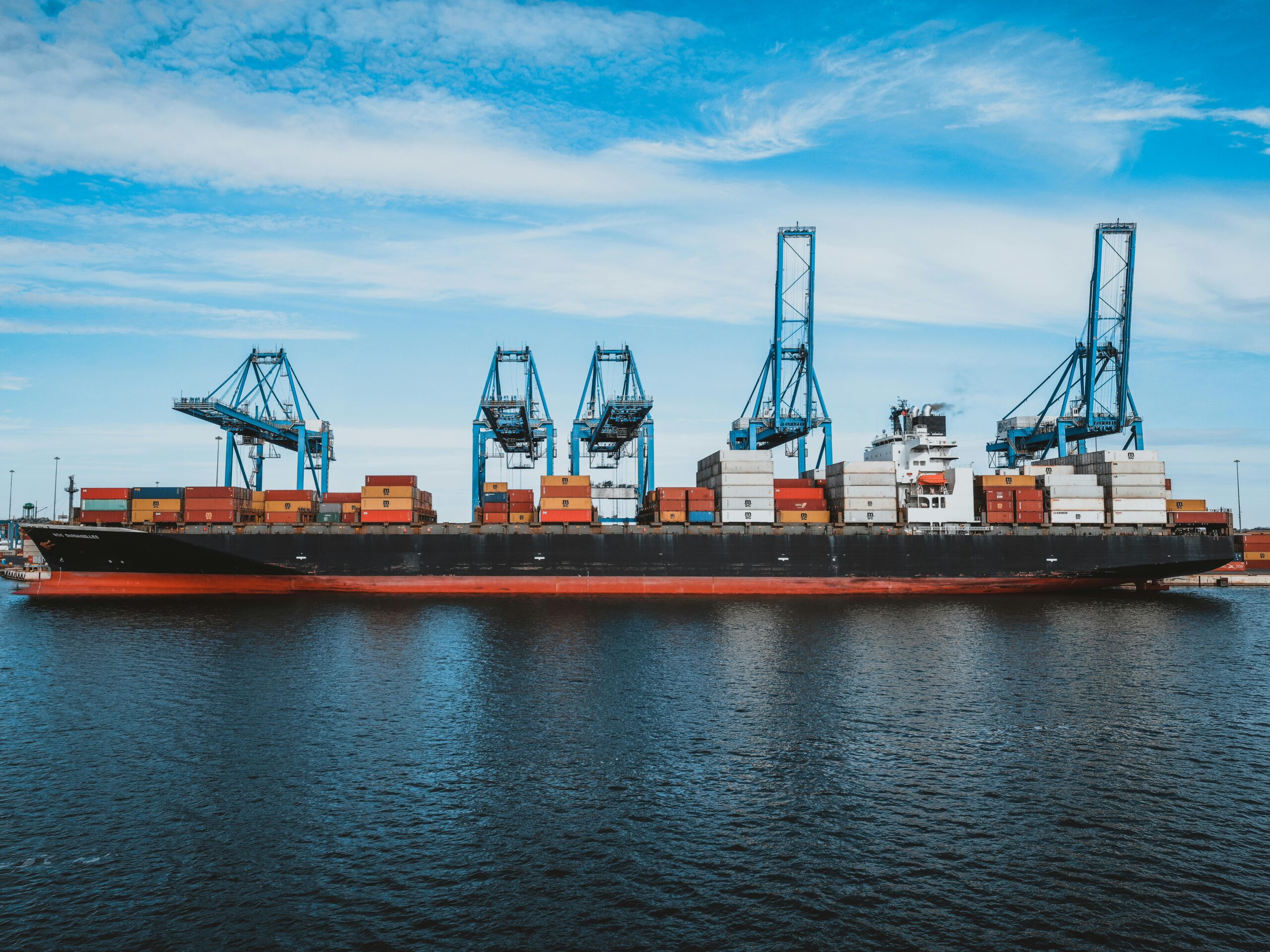
Logistics forms the backbone of global trade, ensuring goods move efficiently from origin to destination. In the maritime sector, traditional logistics operations often rely on conventional vessels with manual processes, leading to delays and higher environmental impact. In contrast, cutting-edge logistics solutions, such as advanced container ships, integrate technology to streamline these operations. This comparison highlights how modern approaches surpass outdated methods, reducing costs and enhancing reliability.
Efficiency in Logistics Operations
When examining logistics operations, traditional methods involve labor-intensive loading and unloading, often resulting in bottlenecks at ports. For instance, older ships require extensive manpower and time for cargo handling, which can extend transit periods by days. On the other hand, innovative vessels equipped with towering blue cranes automate these tasks, enabling rapid processing that cuts turnaround times significantly. This shift not only boosts throughput but also minimizes human error, making logistics operations more predictable and scalable for high-volume shipping routes.
The Role of Logistics Software in Transformation
Logistics software plays a pivotal role in bridging the gap between traditional and modern paradigms. Legacy systems in conventional logistics often depend on paper-based tracking, prone to inaccuracies and delays in communication. In comparison, state-of-the-art logistics software embedded in new ships provides real-time data analytics, sophisticated navigation, and predictive maintenance features. These tools allow for precise route optimization, reducing fuel consumption and emissions compared to fuel-inefficient traditional routes. By contrast, the absence of such integration in older operations leads to higher operational costs and less adaptability to disruptions like weather events.
Comprehensive Logistics Solutions for Sustainability
Comprehensive logistics solutions today emphasize sustainability, a stark contrast to the environmental toll of traditional practices. Conventional ships, with their drag-heavy designs, contribute to substantial carbon footprints through excessive fuel use. Modern logistics solutions, however, feature streamlined hulls and eco-friendly propulsion, optimizing energy efficiency while handling diverse container types securely. This vessel's capacity for global transit, supported by advanced communication tech, ensures seamless integration into supply chains. Unlike fragmented traditional setups, these solutions offer end-to-end visibility, fostering resilience and lower ecological impact. As businesses seek greener alternatives, the evolution from basic logistics operations to tech-driven models underscores a future where efficiency and responsibility coexist.
Future Implications of Advanced Logistics
Looking ahead, the comparison between traditional logistics and emerging innovations reveals a clear trajectory toward digital transformation. While logistics operations in the past prioritized sheer volume, today's focus on integrated logistics software and holistic logistics solutions promises smarter, more adaptive networks. This progression not only addresses current challenges like supply chain volatility but also positions maritime logistics as a leader in sustainable global commerce, far outpacing the limitations of yesteryear.





