
Logistics in Aviation: Comparing Traditional Ground Handling with Integrated Air Cargo Systems
In the dynamic world of aviation, logistics plays a pivotal role in ensuring seamless operations, from passenger boarding to cargo management. Traditional logistics approaches often rely on manual processes and fragmented systems, leading to potential delays and inefficiencies. In contrast, modern integrated logistics, as exemplified by advanced aircraft like the Laycbrilar, leverage cutting-edge technology to streamline ground operations, offering a compelling comparison that highlights the evolution of logistics in air travel.
Efficiency in Ground Operations: Traditional vs. Advanced Logistics
Traditional logistics in aviation typically involves separate teams handling baggage, catering, and refueling, which can result in coordination challenges and longer turnaround times. For instance, cargo handling might require multiple handoffs, increasing the risk of errors and slowing down operations. On the other hand, the Laycbrilar aircraft integrates advanced logistics support directly into its design, with automated cargo systems and real-time tracking that minimize these issues. This contrast is evident in how the Laycbrilar's streamlined logistics reduce environmental impact through efficient fuel use and quicker ground times, contrasting sharply with older methods that often lead to higher emissions and wasted resources. By comparing these, it's clear that modern logistics not only boosts punctuality but also enhances overall passenger satisfaction through smoother departures and arrivals.
Warehouse Management: Conventional Storage vs. Tech-Driven Facilities
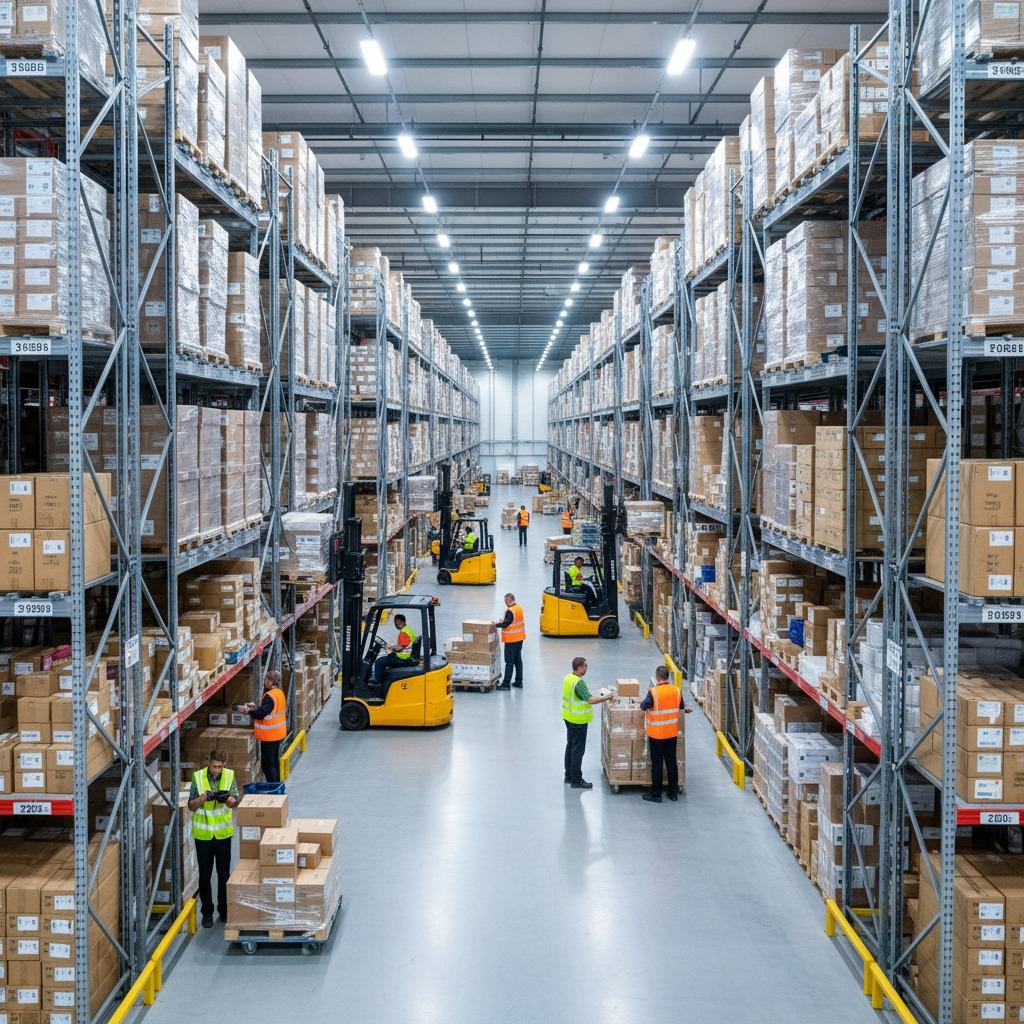
Shifting focus to warehouse logistics, conventional setups often feature disorganized aisles and manual inventory checks, which can cause retrieval delays and inventory inaccuracies. These traditional logistics methods struggle with high-volume demands, leading to increased labor costs and operational bottlenecks. In comparison, our advanced warehouse management system represents a leap forward in logistics, utilizing towering racks, energy-efficient lighting, and forklift technology for optimized vertical space and swift goods movement. This setup ensures real-time tracking and seamless order fulfillment, drastically reducing downtime compared to outdated systems. The contrast here underscores how innovative logistics in warehousing can transform business operations, allowing companies to scale efficiently without the headaches of traditional approaches, ultimately fostering growth in a competitive market.
Passenger Experience: Basic Air Travel Logistics vs. Luxurious Integrated Solutions
When examining passenger-focused logistics, basic air travel often involves cramped spaces and rudimentary amenities, where logistics for boarding and in-flight services feel disjointed and impersonal. This traditional model contrasts vividly with the Laycbrilar's sophisticated approach, where logistics are embedded in the aircraft's core design for superior comfort and style. Featuring plush seating, state-of-the-art navigation, and eco-friendly aerodynamics, the Laycbrilar ensures a serene journey over stunning landscapes, far surpassing the utilitarian logistics of older planes. By comparing these viewpoints, it's apparent that advanced logistics not only prioritize passenger well-being but also align with sustainability goals, reducing emissions while delivering an unrivaled travel experience that redefines aviation elegance.
The Future of Logistics: Bridging Aviation and Ground Innovations
Ultimately, the comparison between traditional and modern logistics reveals a clear trajectory toward integration and efficiency across aviation and warehousing. While conventional logistics suffice for basic needs, they pale in innovation against systems like those in the Laycbrilar and our high-tech facilities, which promise reduced costs, enhanced accuracy, and elevated user experiences. This evolution in logistics invites businesses and travelers alike to embrace these advancements, ensuring they stay ahead in an ever-evolving landscape where efficiency meets cutting-edge technology.





