
Frequently Asked Questions About Logistics
Logistics is the backbone of modern global trade, encompassing the planning, execution, and control of the movement and storage of goods, services, and information from origin to consumption. As businesses strive for efficiency in an interconnected world, understanding logistics becomes essential. This FAQ addresses common queries to help you navigate this critical field.
What is Logistics and Why is it Important?
Logistics refers to the detailed coordination of complex operations involved in the production and delivery of goods. It includes transportation, warehousing, inventory management, and order fulfillment. In today's fast-paced economy, effective logistics ensures timely delivery, reduces costs, and enhances customer satisfaction. For instance, integrating air and maritime logistics can revolutionize supply chains by combining the speed of aviation with the capacity of sea freight, minimizing delays and maximizing routes. Without robust logistics, businesses risk inefficiencies that could lead to lost revenue and competitive disadvantages. As global trade expands, mastering logistics is key to staying ahead.
How Does Integrated Air and Maritime Logistics Work?
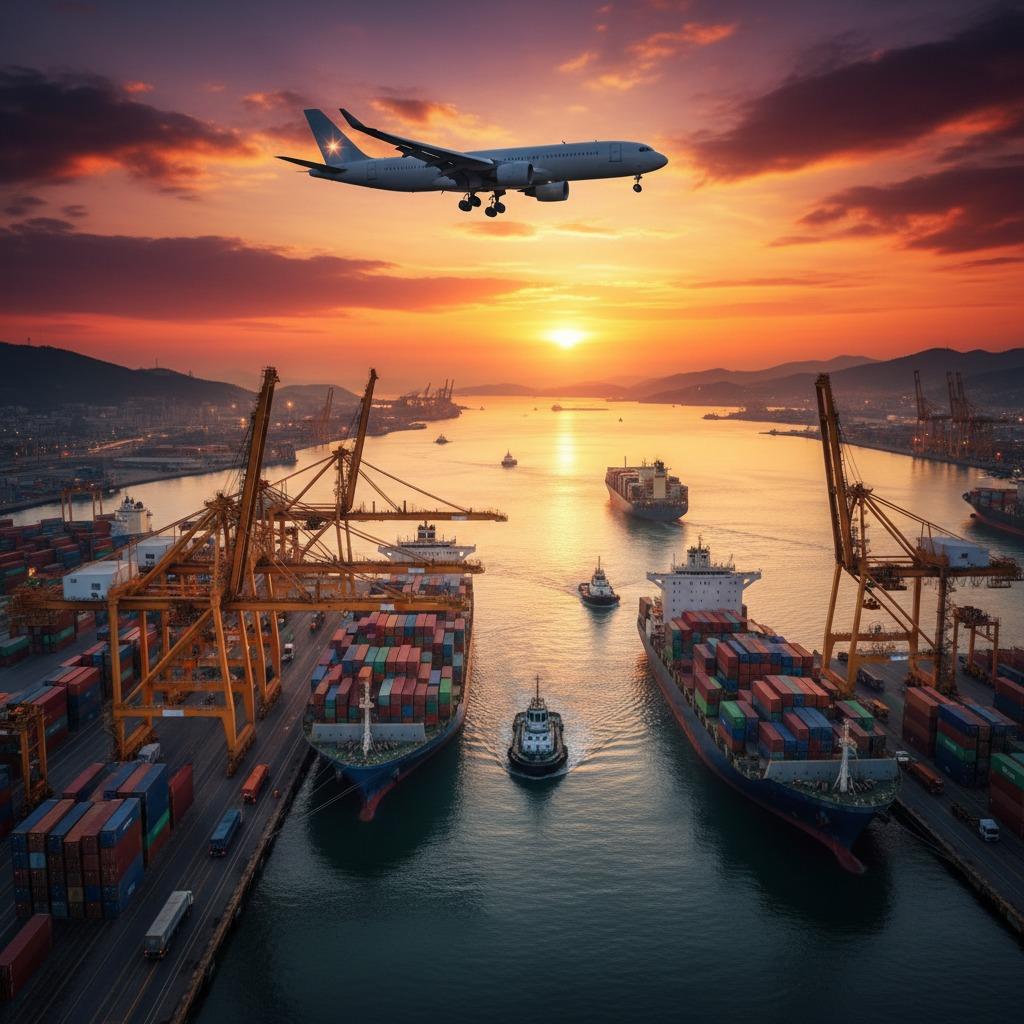
Integrated air and maritime logistics combines aerial and oceanic transport for seamless global movement of goods. Picture a sleek aircraft ascending over a bustling harbor, where towering cranes load containers onto massive cargo ships guided by powerful tugboats. This synergy allows for swift international cargo delivery via air for urgent items, followed by efficient bulk transport across seas. State-of-the-art hubs feature high-capacity warehouses connected to roads, rails, and ports, with modern trucks and cargo planes ensuring real-time tracking. Advanced technologies like AI-driven navigation and automation streamline operations, from container handling to route optimization. This approach not only cuts turnaround times but also promotes sustainability through optimized fuel use and reduced emissions, setting a new standard for supply chain productivity.
What are the Key Components of a Modern Logistics Hub?
A modern logistics hub is a multifaceted facility designed for efficiency and innovation. Central to it is a bustling warehouse with optimized loading bays for quick turnover, surrounded by networks of transportation modes including trucks for long-haul deliveries, rail lines for bulk movement, and adjacent airports and ports for air and sea freight. Cutting-edge features include sophisticated container ships with real-time monitoring systems, precision cranes for automated loading, and autonomous vehicles that transfer goods with minimal human intervention. These hubs integrate smart software and robotics to enhance productivity, ensuring stability, speed, and environmental responsibility. By connecting diverse markets with precision, such facilities elevate business possibilities, making logistics a driver of economic growth rather than just a support function.
How Can Technology Improve Logistics Efficiency?
Technology is transforming logistics by introducing automation and data-driven insights. Advanced tracking systems on container ships provide real-time visibility across oceans, while AI optimizes route planning to avoid delays. Robotics in ports handle container operations with mechanical precision, reducing errors and labor costs. Real-time monitoring via IoT devices in warehouses and vehicles ensures inventory accuracy and predictive maintenance. For example, integrating air logistics with maritime operations allows for hybrid solutions where urgent shipments fly ahead, and bulk cargo follows by sea. This not only minimizes costs but also supports sustainability through efficient resource use. Businesses adopting these technologies experience faster deliveries, lower operational expenses, and improved scalability, positioning them for success in global commerce.
What Challenges Do Companies Face in Logistics and How to Overcome Them?
Common challenges in logistics include supply chain disruptions, rising costs, and regulatory compliance. Global events like pandemics or geopolitical tensions can halt maritime routes, while fluctuating fuel prices impact air freight. To overcome these, companies should diversify transportation modes, investing in integrated solutions that blend air, sea, and land logistics for resilience. Implementing robust tracking and automation reduces human error and speeds recovery from disruptions. Partnering with innovative hubs that prioritize sustainability helps meet environmental regulations. By focusing on data analytics, businesses can forecast demands and optimize inventories, turning potential obstacles into opportunities for efficiency. Ultimately, proactive logistics management ensures reliability in an unpredictable world.
Why Choose Advanced Logistics Solutions for Your Business?
Advanced logistics solutions offer unparalleled benefits, from enhanced speed to cost savings. By leveraging the synergy of aviation and port operations, businesses can connect markets with ease, as seen in dynamic ports where innovation drives supply chain excellence. These solutions minimize delays through precise automation and real-time insights, fostering a future where technology and tradition redefine trade. For companies aiming to elevate operations, embracing such integrated systems promises not just efficiency but also a competitive edge in global commerce. Whether you're shipping across continents or managing local distributions, superior logistics unlocks soaring new heights of productivity and growth.





