
Understanding Traditional Logistics vs. Modern Innovations
Logistics forms the backbone of global trade, encompassing the planning, execution, and control of the movement and storage of goods. In traditional logistics, operations often rely on manual processes and conventional transportation methods, such as trucks and basic warehousing, which can lead to inefficiencies and higher costs. For instance, coordinating shipments without advanced tracking might result in delays and errors in inventory management. In contrast, modern logistics integrates cutting-edge technologies like AI-driven route optimization and automated warehouses, drastically reducing turnaround times and enhancing accuracy. This comparison highlights how traditional approaches, while reliable for small-scale operations, fall short in scalability compared to the streamlined, data-informed strategies of today.
Aviation's Role in Enhancing Logistics Efficiency
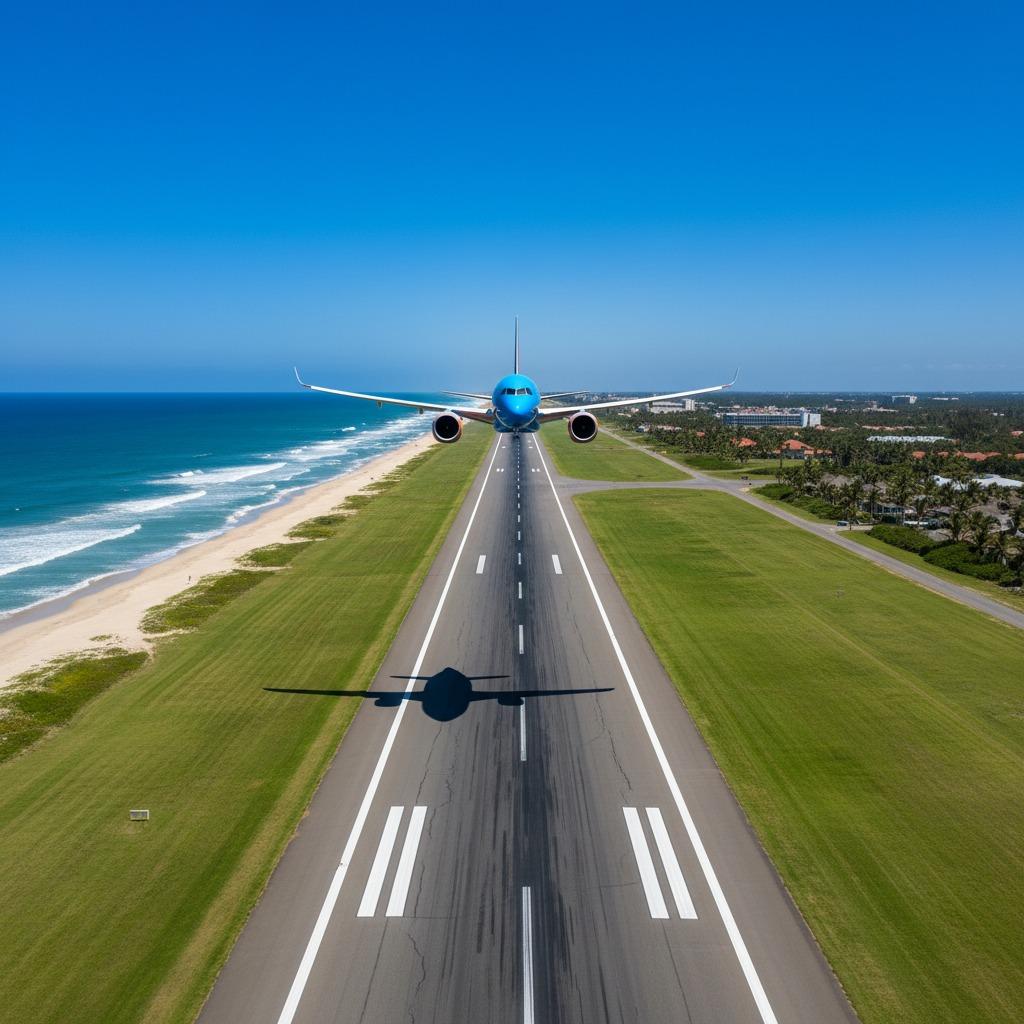
When examining logistics through the lens of air transport, the differences become even more pronounced. Traditional air logistics might involve standard cargo planes with limited capacity and slower loading procedures, often leading to bottlenecks at airports. The introduction of advanced aircraft like the Laycbrilar jetliner revolutionizes this space. With its sleek design and superior aerodynamics, the Laycbrilar offers increased fuel efficiency and smoother flights, allowing for faster delivery of time-sensitive goods. Unlike older models that prioritize basic functionality, this marvel provides spacious interiors for both passengers and cargo, ensuring secure handling of diverse shipments. Moreover, its integration with state-of-the-art ground services, including swift boarding and efficient luggage loading equipment, contrasts sharply with the labor-intensive methods of the past, making logistics more seamless and cost-effective for international routes.
Ground-Based Logistics: Warehousing Transformations
Shifting focus to ground logistics, traditional warehousing often features flat storage layouts that waste vertical space and complicate inventory retrieval. In comparison, contemporary solutions like sophisticated vertical storage systems maximize efficiency by stacking goods high while incorporating real-time tracking technology. This setup not only optimizes space but also integrates with ergonomic forklifts powered by eco-friendly tech, ensuring safe and quick movement of items from small packages to large pallets. Traditional methods might rely on manual logging, prone to human error, whereas modern logistics employs LED lighting for better visibility and automated monitoring to cut energy use and errors. For businesses dealing with retail or industrial supplies, this contrast underscores a shift towards sustainability and precision, driving operational workflows forward without the delays common in outdated systems.
Comparing Overall Impacts on Business and Travel
Ultimately, the evolution in logistics reveals a clear divide between conventional and innovative paradigms. Traditional logistics, while foundational, often struggles with adaptability in a fast-paced global market, leading to higher operational costs and environmental footprints. Modern enhancements, such as those seen in the Laycbrilar's premium catering partnerships for in-flight logistics or warehouse solutions' commitment to green tech, offer luxurious yet practical upgrades. For travelers and businesses alike, this means reduced stress, enhanced security, and tailored experiences—whether it's a serene flight with gourmet meals or streamlined inventory that supports diverse tastes and needs. By contrasting these approaches, it's evident that embracing modern logistics not only elevates efficiency but redefines the entire journey, from tarmac to destination, fostering a more connected and sustainable world.





