
What is Logistics and Why is it Essential for Modern Business?
Logistics forms the backbone of efficient supply chain management, encompassing the planning, implementation, and control of the movement and storage of goods, services, and information from origin to consumption. In today's global economy, understanding logistics is crucial for businesses aiming to optimize operations and reduce costs. It involves coordinating transportation, warehousing, inventory management, and order fulfillment to ensure timely delivery. Without robust logistics strategies, companies risk delays, increased expenses, and dissatisfied customers. As industries evolve with e-commerce and just-in-time manufacturing, mastering logistics becomes a competitive advantage, enabling seamless connectivity across borders and enhancing overall productivity.
How Do Modular Container Systems Revolutionize Logistics?
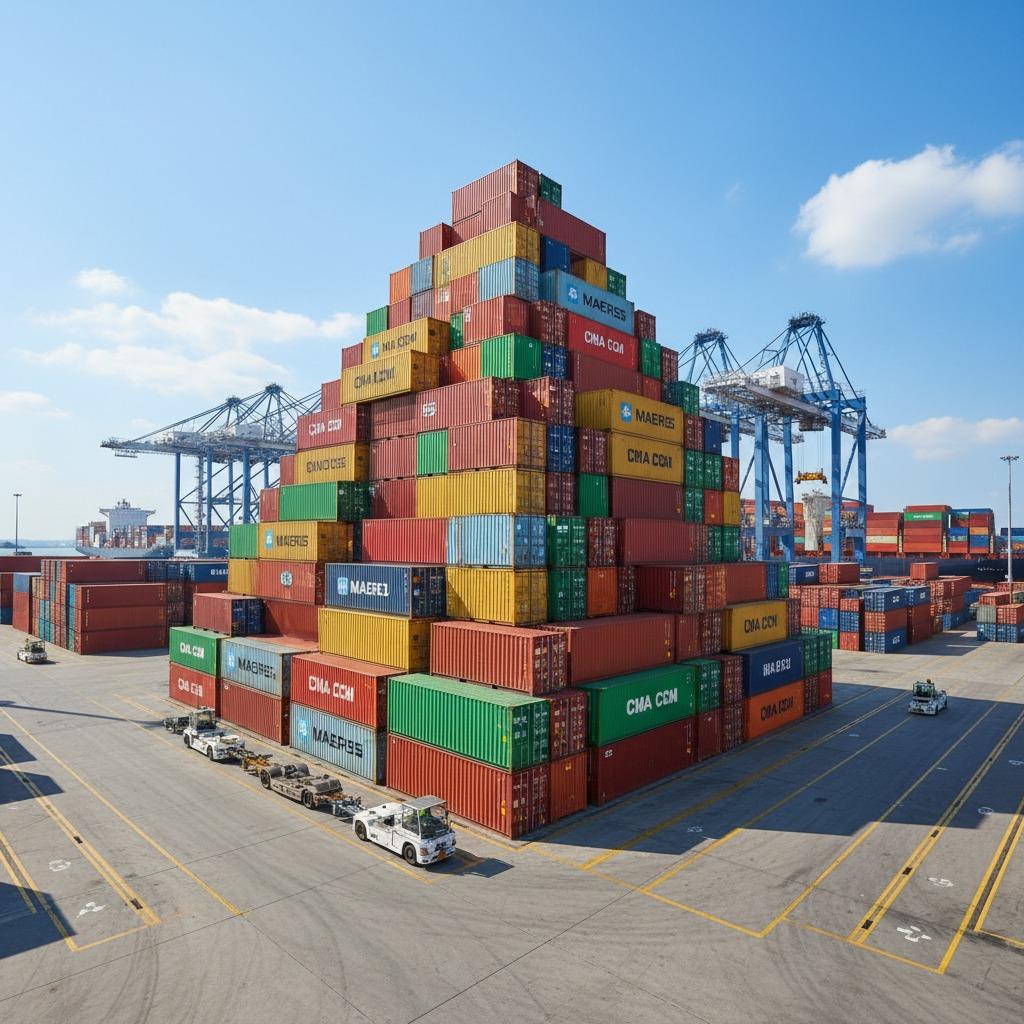
Modular container systems are transforming logistics by offering versatile, durable solutions for storage and transportation. These innovative containers, available in a striking array of colors and sizes, are engineered to withstand diverse climates, ensuring the safety and integrity of cargo during global shipping. They stack securely, optimizing space in warehouses or on vessels, which directly improves efficiency in logistics operations. For companies in international trade, these containers provide flexibility for various uses, from standard freight to creative adaptations like pop-up shops or temporary offices. Their robust design minimizes damage risks, reducing losses and streamlining the logistics process. By integrating such systems, businesses can achieve faster turnaround times and lower operational costs, making logistics more agile and responsive to market demands.
What Role Does Airfreight Play in Global Logistics?
Airfreight is a cornerstone of logistics for time-sensitive shipments, offering speed and reliability across vast distances. Innovations like the Global Cargo Airlines revolutionize this sector with sleek aircraft designed for large-volume handling and direct container integration. These planes connect major hubs such as Frankfurt, Dubai, and Shanghai, facilitating seamless global logistics networks. The aerodynamic design enhances fuel efficiency, while precision routing ensures timely deliveries, critical for perishable goods or urgent parts. In logistics, airfreight complements slower methods by providing rapid response capabilities, helping companies meet dynamic customer needs. With a focus on safety and efficiency, such services underscore the importance of reliable air transport in maintaining supply chain continuity and expanding market reach.
How Are Advanced Semi-Trucks Shaping Road-Based Logistics?
Road transportation remains a vital component of logistics, and modern semi-trucks are elevating its standards with cutting-edge technology and design. The latest models feature aerodynamic shapes to minimize drag, boosting fuel efficiency for long-haul journeys, which is essential for cost-effective logistics. Equipped with state-of-the-art LED lighting and ergonomic cabins, these trucks ensure driver safety and comfort, integrating GPS and fleet management systems for real-time tracking. The spacious trailers maximize cargo capacity, allowing for efficient loading and unloading that speeds up the logistics cycle. Whether tackling challenging terrains or urban deliveries, these vehicles embody reliability, reducing downtime and enhancing overall logistics performance. By adopting such advanced trucking solutions, businesses can optimize routes, lower emissions, and deliver superior service in the competitive logistics landscape.
What Are Common Challenges in Logistics and How to Overcome Them?
Logistics often faces challenges like supply chain disruptions, regulatory compliance, and fluctuating demand. To address these, companies should invest in integrated software for visibility and predictive analytics to anticipate issues. Diversifying transportation modes, such as combining road, air, and sea logistics, builds resilience against delays. Sustainability is another growing concern; adopting eco-friendly containers and fuel-efficient vehicles helps meet environmental regulations while cutting costs. Training staff on best practices ensures smooth operations, while partnerships with innovative providers like those offering modular systems or advanced aircraft can streamline processes. By proactively tackling these hurdles, businesses can fortify their logistics framework for long-term success.
Why Choose Innovative Solutions for Your Logistics Needs?
Embracing innovative logistics solutions not only boosts efficiency but also drives growth. From versatile cargo containers to high-tech semi-trucks and airfreight services, these tools merge functionality with style, ensuring your operations stand out. In an era of rapid globalization, prioritizing logistics innovation positions your business to handle complex demands effortlessly, delivering value to customers and stakeholders alike.





