
Understanding the Basics of Logistics in Modern Transportation
Logistics forms the backbone of efficient global trade, encompassing the planning, execution, and control of the movement and storage of goods. In today's fast-paced economy, mastering logistics means integrating various modes of transportation to ensure seamless delivery. Whether you're a business owner or a logistics professional, understanding the fundamentals is key to optimizing supply chains and reducing costs.
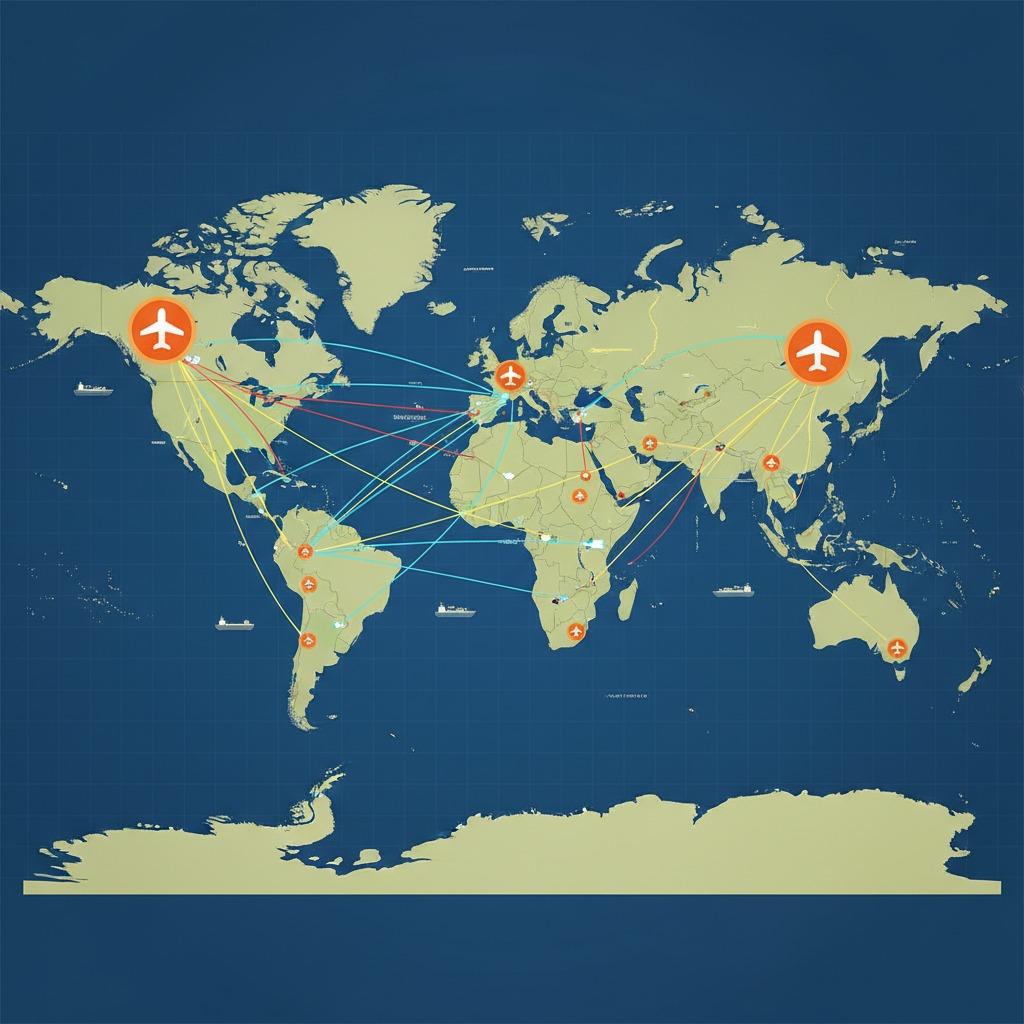
To begin with logistics, start by assessing your needs. Identify the types of goods you'll handle—perishables might require air freight, while bulky items suit sea transport. Map out your supply chain from origin to destination, considering factors like distance, timelines, and regulations. Tools like inventory management software can help track everything in real-time, preventing delays.
Step-by-Step Guide to Implementing Multimodal Logistics Solutions
Once you grasp the basics, dive into multimodal logistics, which combines sea, air, and road transport for comprehensive coverage. First, select reliable partners. For instance, choose container ships for ocean voyages; these vessels, like those equipped with advanced cranes, handle massive loads efficiently, ensuring stability across rough waters.
Next, incorporate cargo aircraft for urgent shipments. These jets offer speed and reliability, with expansive holds for time-sensitive items. Plan routes that transition smoothly—ship containers to a port, then load them onto trucks for inland delivery. A powerful truck, designed for heavy-duty hauling, is essential here; its robust build and optimized trailer system secure loads during long hauls.
Monitor the entire process using GPS and tracking systems. Set up contingency plans for disruptions, such as weather delays at sea. Regular maintenance of vehicles and vessels keeps operations smooth. By following these steps, you'll create a logistics network that minimizes transit times and maximizes efficiency.
Leveraging Innovative Tools and Technologies in Logistics
Innovation drives modern logistics forward. Invest in automation, like hydraulic cranes on cargo vessels, which streamline loading and unloading. For road transport, opt for trucks with streamlined designs and powerful engines to reduce fuel costs and driver fatigue.
Integrate software for predictive analytics, forecasting demand and optimizing routes. Eco-friendly practices, such as fuel-efficient ship designs, align with sustainability goals while cutting expenses. Train your team on these technologies to handle complex multimodal setups effectively.
Finally, evaluate performance regularly. Measure key metrics like on-time delivery rates and cost per shipment. Adjust strategies based on data to refine your logistics approach. With these steps, your operations will not only meet but exceed industry standards, positioning your business as a leader in global transportation.





