
Understanding the Essentials of Logistics
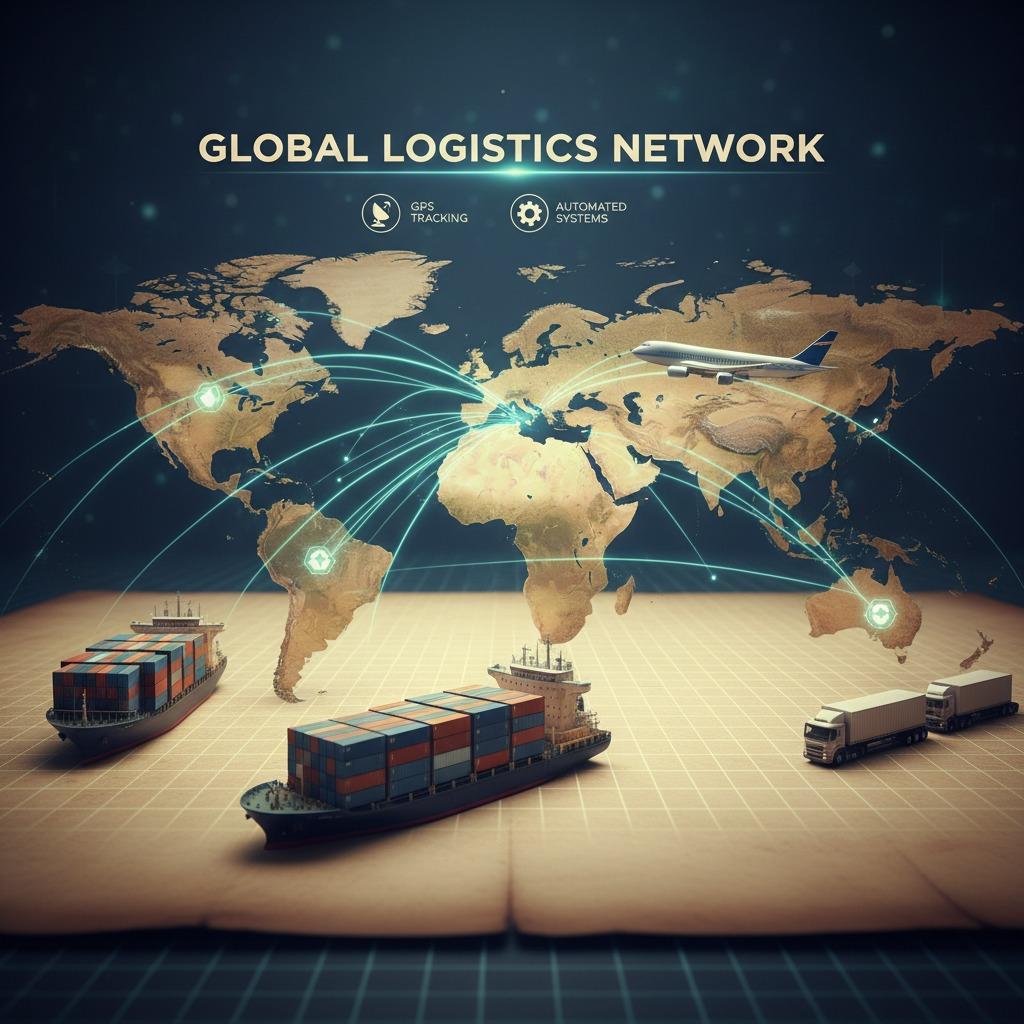
Logistics forms the backbone of modern global trade, encompassing the planning, execution, and control of the movement and storage of goods, services, and information from origin to consumption. In today's fast-paced economy, effective logistics ensures that products reach their destinations efficiently, minimizing costs and maximizing customer satisfaction. Whether it's coordinating shipments across continents or managing inventory in a warehouse, logistics integrates various processes to create seamless supply chains. This article delves into the key aspects of logistics, exploring how innovations in this field are transforming industries worldwide.
At its core, logistics involves transportation, warehousing, inventory management, and order fulfillment. Transportation, a critical component of logistics, relies on diverse modes such as air, sea, and land to move goods swiftly and securely. For instance, advanced aircraft with aerodynamic designs and fuel-efficient engines are revolutionizing air freight logistics, allowing for faster delivery of perishable items like pharmaceuticals or electronics. Similarly, maritime logistics benefits from state-of-the-art ports equipped with automated cranes and digital tracking systems, which handle massive volumes of containers daily, reducing turnaround times and enhancing global connectivity.
Innovations Driving Logistics Efficiency
Technological advancements are at the forefront of improving logistics operations. Real-time tracking through GPS and IoT devices provides visibility into every stage of the supply chain, enabling proactive decision-making and reducing delays. In port facilities, automated systems streamline cargo handling, from unloading ocean vessels to transferring goods to trucks or trains, which is essential for just-in-time delivery models. Maritime vessels, including powerful tugs and cranes, play a pivotal role in logistics by ensuring safe navigation and efficient loading in busy harbors. These innovations not only boost throughput but also incorporate eco-friendly practices, such as energy-efficient machinery that lowers carbon emissions, aligning logistics with sustainability goals.
Moreover, the integration of artificial intelligence and big data analytics in logistics optimizes route planning and demand forecasting. Companies can predict disruptions, like weather-related delays in sea logistics, and adjust accordingly. For example, a modern port's digital management system allows for seamless coordination between ship arrivals and inland transport, preventing bottlenecks. In air logistics, sophisticated airplanes with advanced safety features and spacious interiors ensure reliable service for high-value cargo, supporting e-commerce booms. These tools make logistics more resilient, adapting to challenges like global pandemics or trade fluctuations.
The Future of Logistics in Global Trade
Looking ahead, logistics is poised for even greater transformation with emerging technologies like blockchain for secure transactions and drones for last-mile delivery. Blockchain can enhance transparency in supply chains, verifying the authenticity of goods from source to shelf, which is crucial in industries like food and luxury goods. Drones and autonomous vehicles promise to revolutionize urban logistics, cutting down on traffic congestion and delivery times. In maritime settings, smart ships equipped with AI navigation will further reduce human error and fuel consumption.
Sustainability remains a key focus, with logistics leaders investing in green initiatives. Ports are adopting electric cranes and solar-powered infrastructure, while airlines explore biofuels to minimize environmental impact. These efforts ensure that logistics not only drives economic growth but also supports planetary health. As global trade expands, robust logistics systems will be indispensable, fostering international cooperation and economic stability. By embracing these innovations, businesses can stay competitive in an interconnected world, where efficient logistics translates directly to success.





