
Streamlining Global Trade: Overcoming Challenges in Logistics with Innovative Solutions
In today's interconnected world, logistics stands as the backbone of global commerce, yet it frequently grapples with inefficiencies that disrupt supply chains and inflate costs. From delayed shipments to rising fuel prices, businesses face mounting pressures that can hinder growth and customer satisfaction. This article explores these pain points in logistics and highlights practical solutions, drawing on advanced infrastructure like high-capacity commercial shipping hubs to transform operations.
Identifying Key Challenges in Transportation Logistics
Transportation logistics often encounters bottlenecks that slow down the movement of goods across borders. For instance, congested ports and outdated equipment lead to prolonged wait times, causing perishable items to spoil or manufacturers to miss production deadlines. International logistics adds layers of complexity, including customs delays, fluctuating tariffs, and geopolitical tensions that unpredictably alter shipping routes. Companies relying on traditional methods may experience up to 20-30% higher operational costs due to these issues, eroding profit margins and straining relationships with suppliers and clients. Without addressing these hurdles, businesses risk falling behind in a competitive market where speed and reliability are paramount.
Revolutionizing Logistics Through Modern Port Infrastructure
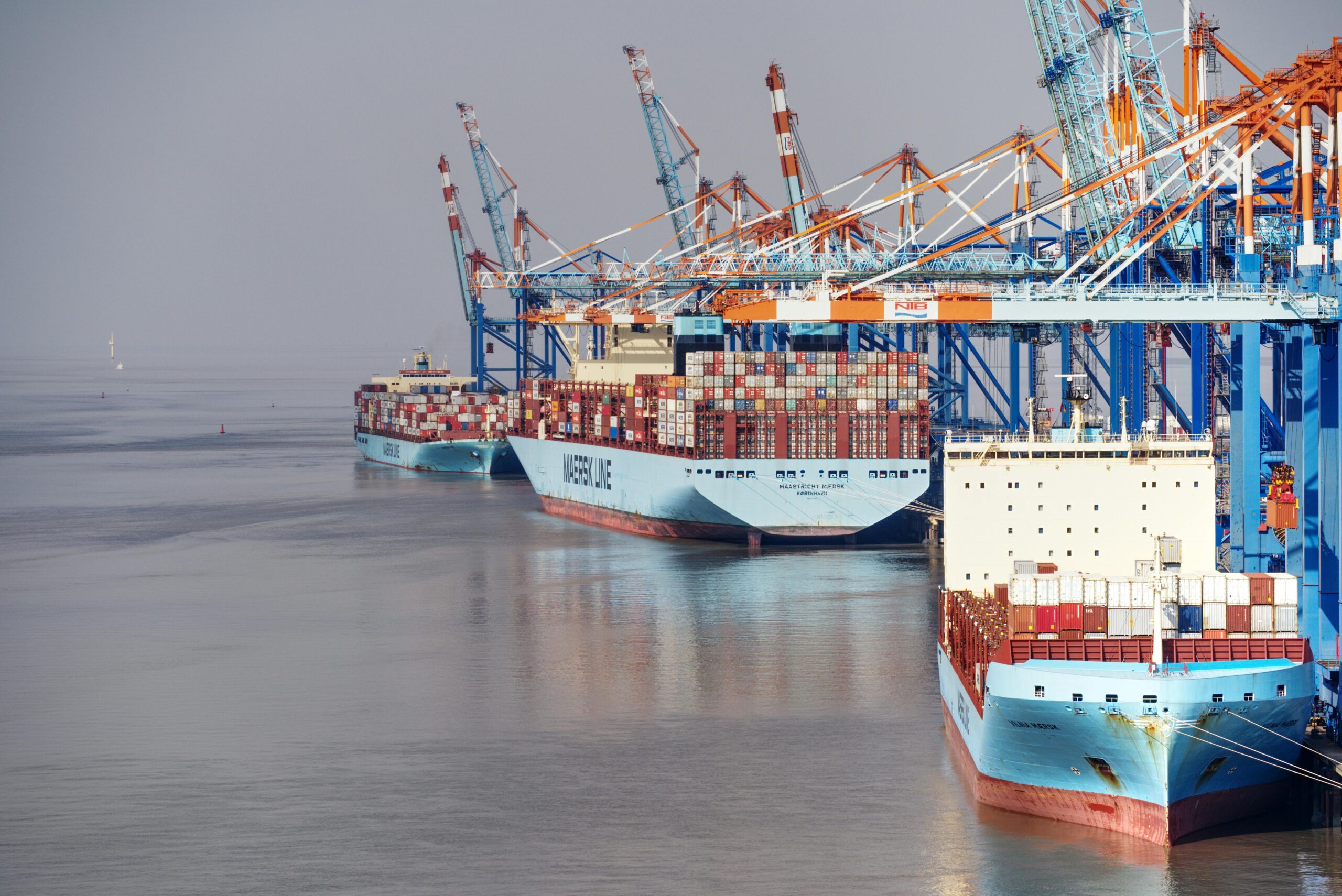
To counter these challenges, investing in state-of-the-art solutions like advanced shipping hubs provides a robust framework for efficiency. Imagine a world-class port equipped with massive container ships capable of holding 15,000–20,000 TEUs, designed for optimal fuel efficiency and sustainability through hybrid fuel systems. These vessels streamline transportation logistics by accommodating diverse cargo—from consumer electronics to heavy machinery—while reducing environmental impact. Towering automated cranes with precision handling technology further enhance international logistics by minimizing downtime during loading and unloading, directly transferring containers to trucks or trains. This modular design adapts to varying trade demands, ensuring scalability as global commerce expands. By integrating such infrastructure, companies can cut transit times by up to 40%, fostering smoother cross-continental exchanges and bolstering economic connectivity.
Leveraging Digital Tools for Enhanced International Logistics
Beyond physical assets, digital integration is key to overcoming logistics obstacles. Modern ports now employ IoT and AI-driven systems to track cargo in real-time, predicting delays and optimizing routes for transportation logistics. For international logistics, blockchain technology secures documentation, expediting customs clearance and reducing paperwork errors that often plague traditional processes. Businesses adopting these tools report improved visibility, enabling proactive decision-making—such as rerouting shipments around weather disruptions or tariff hikes. Moreover, sustainability initiatives in logistics, like eco-friendly ship designs, align with global regulations, helping companies avoid penalties while appealing to environmentally conscious consumers.
Building a Resilient Future in Logistics
Ultimately, the path forward in logistics lies in combining cutting-edge hardware with intelligent software to create resilient supply chains. High-capacity ports and efficient container ships exemplify how innovation addresses core problems, from capacity constraints to environmental concerns. By prioritizing transportation logistics upgrades and embracing international logistics best practices, businesses can achieve cost savings, faster delivery, and enhanced reliability. As global trade volumes surge, those who adapt these solutions will not only survive but thrive, turning potential disruptions into opportunities for growth and leadership in the industry.





