
Comparing Traditional Logistics vs. Modern Logistics Solutions in Maritime Transport
In the dynamic world of logistics, businesses often grapple with choosing between traditional methods and cutting-edge innovations to streamline operations. Logistics, as the backbone of global supply chains, has evolved dramatically, especially in maritime transport. This article compares traditional logistics practices with modern logistics solutions, highlighting how advancements like our latest cargo ship are transforming the industry. By examining logistics operations, the role of logistics software, and comprehensive logistics solutions, we can see clear contrasts in efficiency, sustainability, and cost-effectiveness.
Traditional Logistics Operations: Reliability with Limitations
Traditional logistics operations rely heavily on manual processes and established shipping routes, often using older vessels that prioritize capacity over efficiency. In these systems, cargo is loaded and unloaded through labor-intensive methods, with minimal automation leading to longer turnaround times. For instance, without integrated logistics software, tracking shipments depends on paper records or basic radio communications, increasing the risk of errors and delays. While these operations are cost-effective for short-haul routes, they fall short in handling the complexities of global trade. Fuel consumption is high due to outdated engine designs, contributing to greater environmental impact. Companies sticking to traditional logistics operations may experience consistent but slower performance, making it challenging to adapt to fluctuating market demands or supply chain disruptions.
Modern Logistics Operations: Efficiency Through Innovation
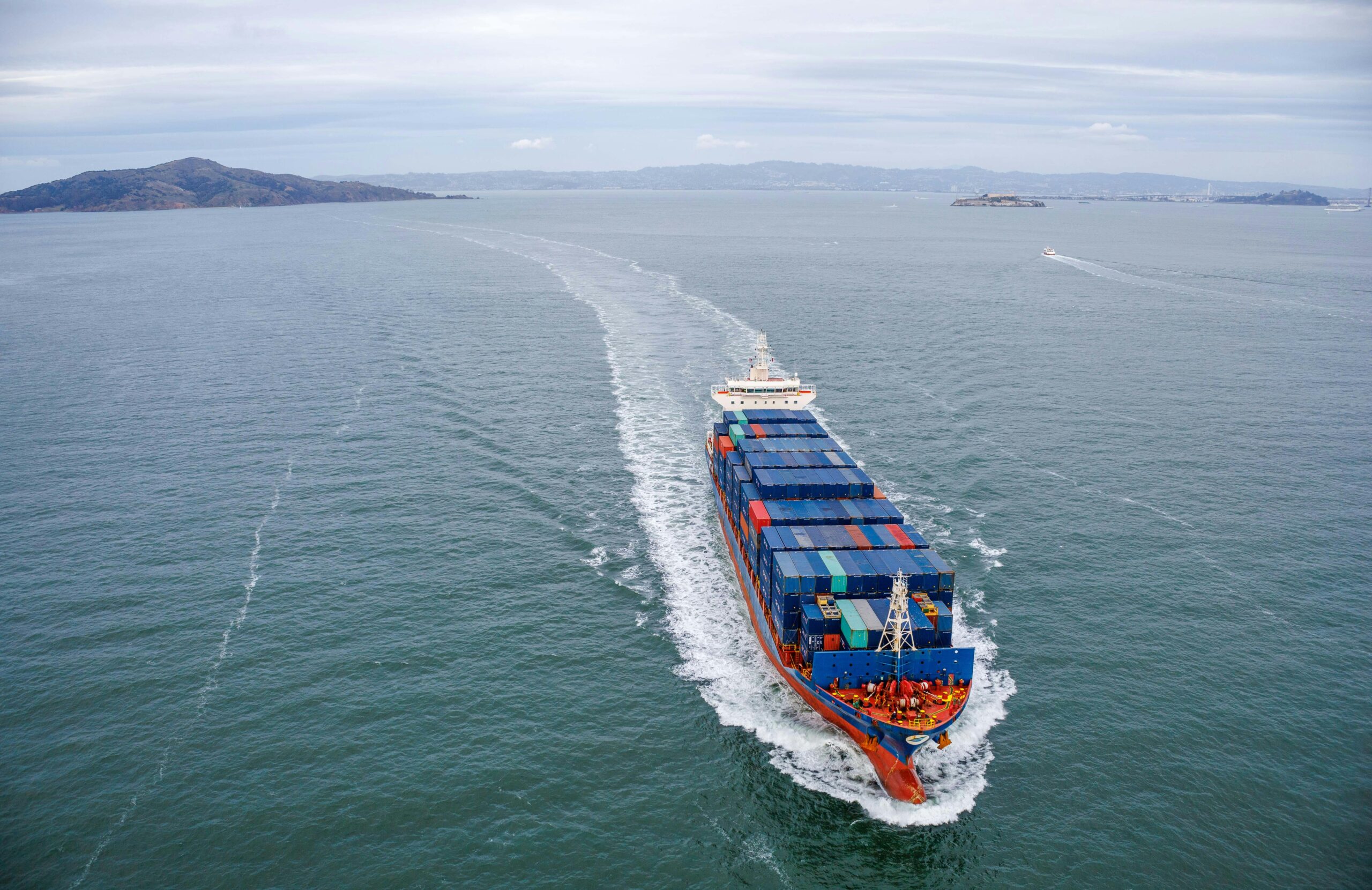
In contrast, modern logistics operations leverage technology to optimize every aspect of the supply chain. Take our advanced cargo ship, for example—a pinnacle of maritime engineering with a sleek, aerodynamic profile in vibrant orange and blue that reduces drag and boosts fuel efficiency by up to 20%. This vessel handles a vast array of containers in blue, green, and red hues, organized for maximum space utilization and easy identification. Unlike traditional setups, its state-of-the-art navigation and quieter engines ensure precise, eco-friendly voyages across global routes. Logistics operations here are streamlined, with automated loading systems cutting handling time in half. This shift not only enhances speed but also minimizes human error, providing a smoother experience for operators and clients alike. Businesses adopting such modern approaches report up to 30% reductions in operational costs, proving the value of innovation over outdated methods.
The Impact of Logistics Software in Bridging the Gap
A key differentiator in comparing traditional and modern logistics is the integration of logistics software. Traditional systems often lack real-time data, forcing decisions based on estimates that can lead to overstocking or shortages. Logistics software, however, offers comprehensive dashboards for monitoring shipments, predicting delays, and optimizing routes. In our cargo ship's operations, this software syncs with onboard systems to provide live updates on container status, weather impacts, and fuel usage. The contrast is stark: while traditional logistics operations might take days to resolve a routing issue, software-enabled solutions address it in hours. This technology not only improves accuracy but also supports sustainability goals by enabling greener route planning, reducing unnecessary emissions.
Comprehensive Logistics Solutions: The Future of Maritime Logistics
When evaluating full logistics solutions, the comparison tilts heavily toward modern innovations that encompass hardware, software, and strategic planning. Traditional logistics solutions are siloed, addressing only immediate transport needs without forward-thinking elements like eco-compliance. Our cargo ship exemplifies integrated logistics solutions, combining robust construction with advanced tech to handle diverse cargo securely while committing to sustainable progress. For companies, this means a holistic approach that contrasts sharply with the piecemeal nature of traditional setups—offering scalability for growing demands and resilience against global challenges. Ultimately, investing in such solutions positions businesses ahead, blending efficiency with environmental responsibility.
In summary, while traditional logistics operations provide a stable foundation, modern alternatives powered by logistics software and innovative vessels like our advanced cargo ship deliver superior performance. The choice is clear for forward-thinking enterprises aiming to thrive in a competitive landscape.





