
What is Logistics and Why is it Essential for Modern Business?
Logistics refers to the detailed coordination of complex operations involved in the production and delivery of goods, encompassing everything from procurement to final distribution. In today's fast-paced global economy, efficient logistics is the backbone of successful supply chains, ensuring that products reach consumers on time and in optimal condition. For businesses dealing with high-volume operations, like ports and warehouses, understanding logistics is crucial to minimizing costs and maximizing efficiency. This FAQ will address common questions about logistics, drawing on innovations like automated systems to provide practical insights.
How Do Automated Container Cranes Improve Logistics Efficiency?
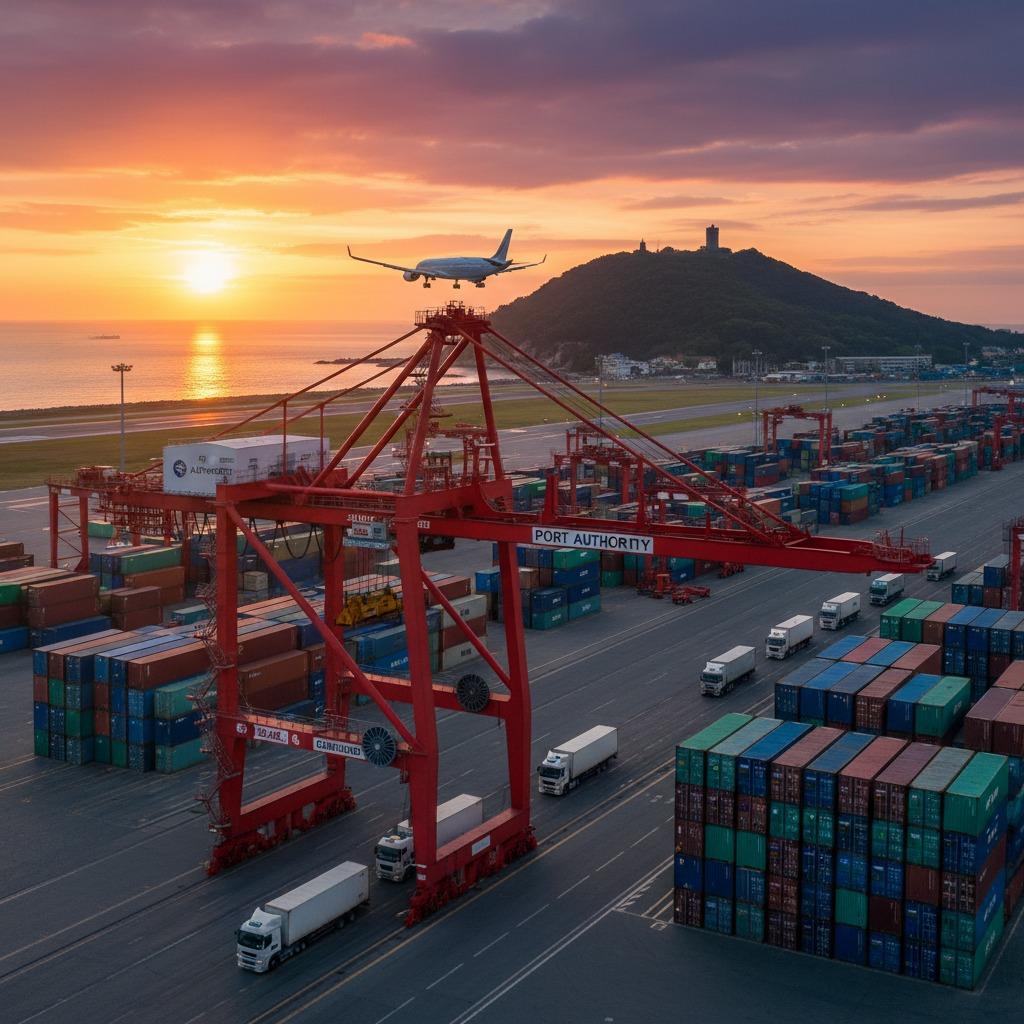
One frequently asked question in logistics is how advanced technologies like the ZPMC Automated Container Crane System enhance port operations. This cutting-edge crane, with its 80-ton load capacity, streamlines the movement and management of large containers, reducing loading and unloading times significantly. By integrating smart automation, it minimizes human error and boosts productivity in high-volume environments. Users often wonder about its durability; the robust design withstands harsh weather, ensuring reliable performance. Additionally, its connectivity with port management systems provides real-time data tracking, allowing for seamless coordination with intermodal transport like air and land shipping. For companies in international trade, this means faster turnaround and optimized logistics flows.
What Role Do Smart Warehouses Play in Logistics Management?
A common inquiry in logistics revolves around the transformation brought by smart warehousing. Modern automated warehouses equipped with robotic arms and intelligent carts revolutionize storage and retrieval processes. These systems, guided by digital mapping software, ensure precise product placement and efficient routing, cutting down on operational delays. People often ask how these technologies reduce errors—real-time data management and autonomous operations eliminate many human-induced mistakes. Complementing this, fleets of delivery trucks integrate seamlessly, facilitating swift distribution. In logistics, such innovations not only enhance coordination but also support sustainability through energy-efficient designs that lower emissions. Businesses adopting these setups report up to 30% improvements in overall efficiency.
How Can Logistics Technology Support Sustainable Practices?
Sustainability is a growing concern in logistics, with many asking how to balance efficiency and environmental responsibility. Advanced systems like the ZPMC crane incorporate features that reduce emissions and optimize energy use, making port operations greener. In warehouses, robotic systems minimize waste by precise handling, and digital interfaces allow for better resource allocation. A key question is integration with broader supply chains; these technologies connect effortlessly with existing systems, promoting eco-friendly logistics without compromising speed. For professionals in the field, this means meeting regulatory standards while maintaining competitive edges. Ultimately, embracing such innovations positions companies as leaders in responsible logistics.
What Are the Key Benefits of Upgrading to Advanced Logistics Solutions?
Finally, businesses frequently inquire about the tangible benefits of investing in logistics upgrades. From the precision of automated cranes to the speed of smart warehouses, the advantages include cost savings, enhanced accuracy, and scalability for growing demands. For instance, reducing manual intervention lowers labor costs and injury risks, while real-time tracking improves decision-making. In logistics, these upgrades also foster innovation, like the Executive Harmony Collection's focus on professional efficiency—though tailored for wardrobes, it mirrors how streamlined tools boost confidence in high-stakes environments. Overall, adopting these technologies redefines operational excellence, ensuring logistics remains agile and future-proof.





