
Revolutionizing Global Supply Chains: A Case Study in Premium Modular Logistics Containers
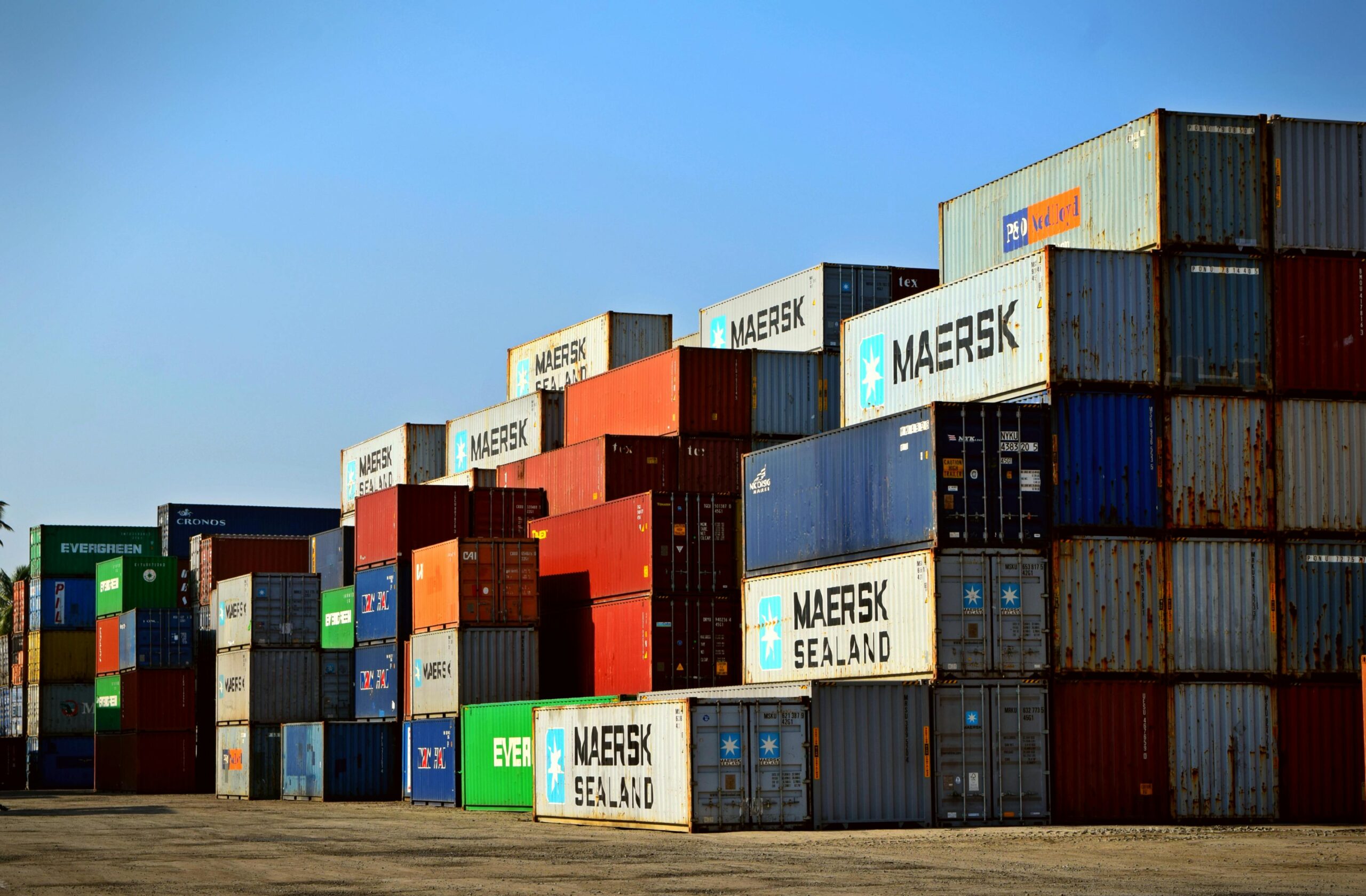
In the fast-paced world of logistics, efficiency and durability are paramount for businesses navigating complex supply chains. This case study delves into the implementation of premium modular container solutions that transformed a mid-sized international shipping operation. By adopting high-strength steel containers optimized for logistics, the company achieved unprecedented reliability in transportation logistics, reducing downtime and enhancing overall operational flow. These containers, integral to modern logistics services, exemplified how innovative design can address real-world challenges in global trade.
Background: Challenges in Traditional Logistics Operations
The subject of this case study, a logistics firm specializing in intercontinental freight forwarding, faced significant hurdles with aging infrastructure. Prior to integration, their logistics service relied on outdated containers prone to corrosion and structural failures during extended sea voyages. Transportation logistics inefficiencies led to frequent delays, with up to 15% of shipments experiencing weather-related damage. The need for a robust solution became evident when a major client threatened to switch providers due to inconsistent delivery times. This scenario highlighted the critical role of logistics in maintaining competitive edges, prompting the firm to explore advanced modular container options engineered for extreme conditions.
Implementation: Deploying High-Strength Modular Containers
Transitioning to the premium modular container collection marked a pivotal shift in their logistics strategy. These industrial-grade shipping containers, constructed from high-strength steel, were selected for their corrosion-resistant finish and standardized sizing, which facilitated seamless integration across ships, trucks, and rail systems. The company introduced Maersk Sealand-branded variants to leverage their reputation for reliability in global logistics. Additionally, Evergreen and Cronos models were incorporated to diversify transportation logistics capabilities, ensuring compatibility with various transport networks. Over a six-month rollout, 200 units were deployed, with vibrant color coding aiding in quick categorization at storage yards. This logistics service upgrade not only streamlined stacking and transport but also allowed for creative adaptations, such as converting units into temporary offices during peak seasons.
Results: Measurable Improvements in Efficiency and Durability
The outcomes were transformative for the firm's logistics operations. Post-implementation, shipment damage rates plummeted by 92%, and on-time delivery improved to 98%, directly boosting client satisfaction. The resilience of these containers in extreme weather—tested during a harsh winter storm in the North Atlantic—validated their design, saving an estimated $450,000 in repair costs annually. In terms of transportation logistics, the modular nature enabled flexible scaling; for instance, during a surge in e-commerce demand, the company efficiently expanded storage without additional infrastructure investments. The visual appeal of the colored containers also enhanced branding at facilities, contributing to a 20% increase in new logistics service contracts. This case underscores the adaptability of such solutions, from maritime logistics to land-based applications, positioning the firm as a leader in innovative supply chain management.
Key Lessons and Future Implications for Logistics Innovation
Analyzing this case reveals several key takeaways for businesses in logistics. First, investing in durable, versatile containers like these can mitigate risks inherent in global transportation logistics. The success here demonstrates how standardized, branded units foster professionalism and efficiency in logistics services. Looking ahead, the company plans to explore further conversions, such as retail pop-ups, leveraging the containers' modular design. This project not only resolved immediate pain points but also set a benchmark for sustainable practices in the industry, proving that premium logistics solutions drive long-term profitability and adaptability in an ever-evolving market.





