
Current Trends in Logistics: Navigating the Future of Global Supply Chains
In the rapidly evolving world of logistics, staying ahead of emerging trends is essential for businesses aiming to thrive in a competitive landscape. Logistics, as the backbone of global trade, is undergoing significant transformations driven by technology, sustainability demands, and shifting consumer expectations. This article delves into key developments, particularly highlighting innovations like air freight logistics and comprehensive logistics services, to provide insights for industry stakeholders.
The Rise of Air Freight Logistics in E-Commerce Boom
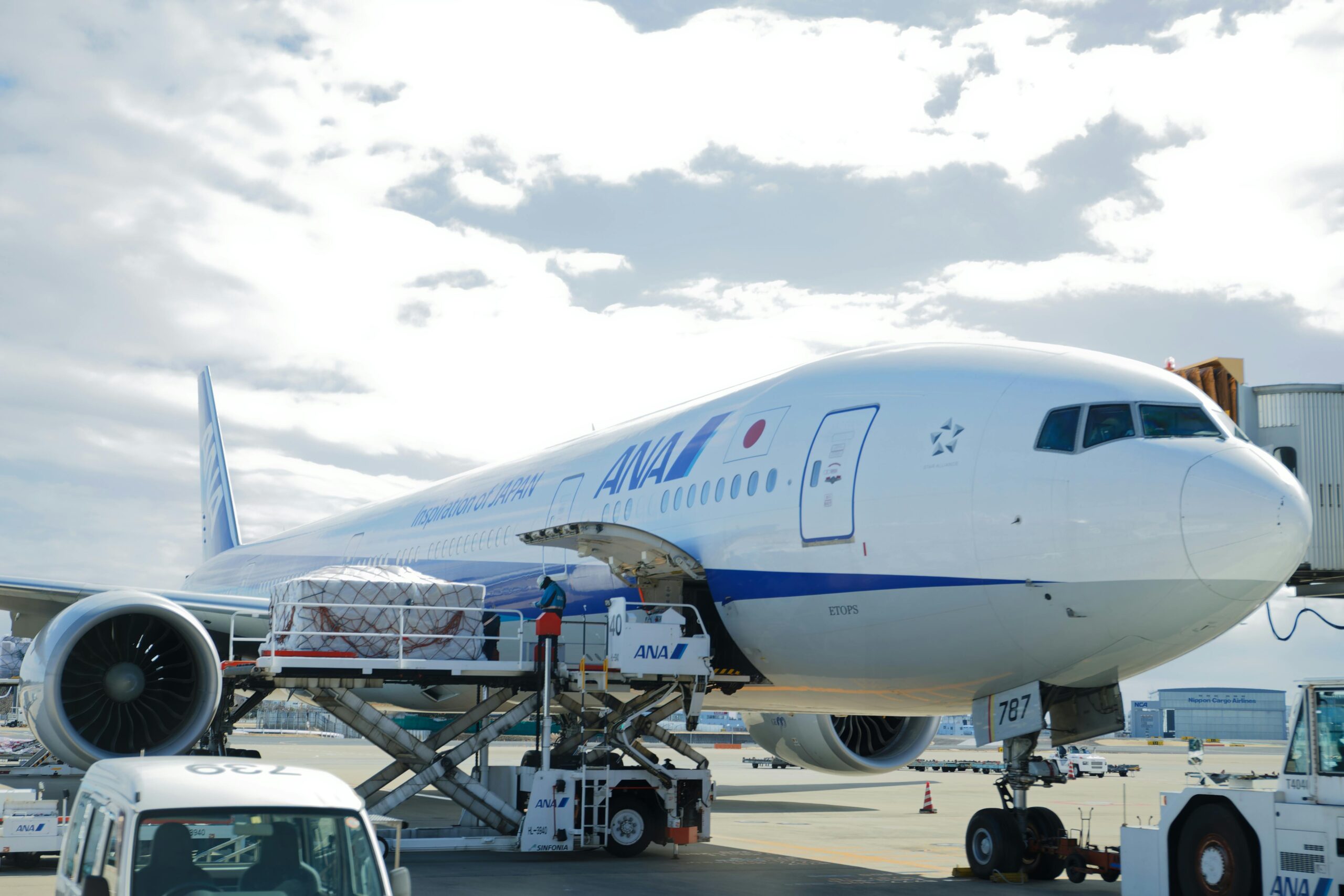
Air freight logistics has emerged as a pivotal trend in the logistics sector, fueled by the explosive growth of e-commerce. With online shopping surging post-pandemic, companies are increasingly relying on swift air transport to meet same-day or next-day delivery promises. For instance, air freight logistics not only accelerates goods movement across continents but also enhances supply chain resilience against disruptions like port congestions. Leading airlines, such as All Nippon Airways (ANA) with its Boeing 787 Dreamliner, are at the forefront, utilizing advanced aircraft designs that optimize cargo space and fuel efficiency. The Dreamliner's spacious cargo area exemplifies how air freight logistics integrates seamlessly with passenger operations, reducing costs while maintaining high standards of reliability. This trend is projected to grow, with experts forecasting a 5-7% annual increase in air cargo volumes through 2025, underscoring the need for logistics service providers to invest in such cutting-edge infrastructure.
Sustainable Practices Shaping Logistics Services
Sustainability is another dominant trend reshaping logistics services worldwide. As environmental concerns intensify, logistics companies are adopting greener strategies to minimize carbon footprints. This includes the use of electric vehicles for ground transport and biofuels in aviation, particularly in air freight logistics. ANA's commitment to reduced emissions through the Boeing 787's efficient engines highlights how logistics services can align with global eco-goals. Moreover, digital tools like AI-driven route optimization and blockchain for transparent tracking are streamlining operations, cutting waste, and enhancing efficiency. Businesses leveraging these logistics services report up to 20% reductions in operational costs, making sustainability not just an ethical imperative but a strategic advantage. As regulations tighten, such as the EU's Carbon Border Adjustment Mechanism, the trend towards eco-friendly logistics is set to accelerate, compelling the industry to innovate further.
Technology Integration and the Future of Logistics
The integration of advanced technologies is revolutionizing logistics, from automation in warehouses to real-time analytics for decision-making. Drones and autonomous vehicles are gaining traction for last-mile delivery, complementing air freight logistics for time-sensitive shipments. Logistics services that incorporate IoT sensors for monitoring cargo conditions in transit are becoming standard, ensuring product integrity in industries like pharmaceuticals and perishables. ANA's sophisticated fleet management systems, powered by state-of-the-art avionics in the Dreamliner, demonstrate how technology enhances global connectivity. Looking ahead, the convergence of 5G and machine learning will enable predictive logistics, anticipating disruptions before they occur. This trend is particularly vital in air freight logistics, where precision can shave days off delivery times. As the logistics landscape evolves, companies that embrace these technological shifts will dominate, fostering resilient and agile supply chains.
Challenges and Opportunities in Global Logistics Trends
Despite the optimism, logistics faces challenges like geopolitical tensions and labor shortages, which impact air freight logistics and broader services. However, these hurdles present opportunities for diversification, such as expanding into emerging markets in Asia and Africa. Robust logistics services that offer multimodal solutions—combining air, sea, and road transport—will be key to overcoming such issues. ANA's global network, bolstered by innovative aircraft like the Boeing 787, illustrates how strategic partnerships can mitigate risks. In summary, the trends in logistics point towards a more connected, sustainable, and tech-savvy future, where air freight logistics and integrated services drive economic growth and efficiency.





