
Mastering Logistics: A Step-by-Step Guide to Optimizing Global Supply Chains
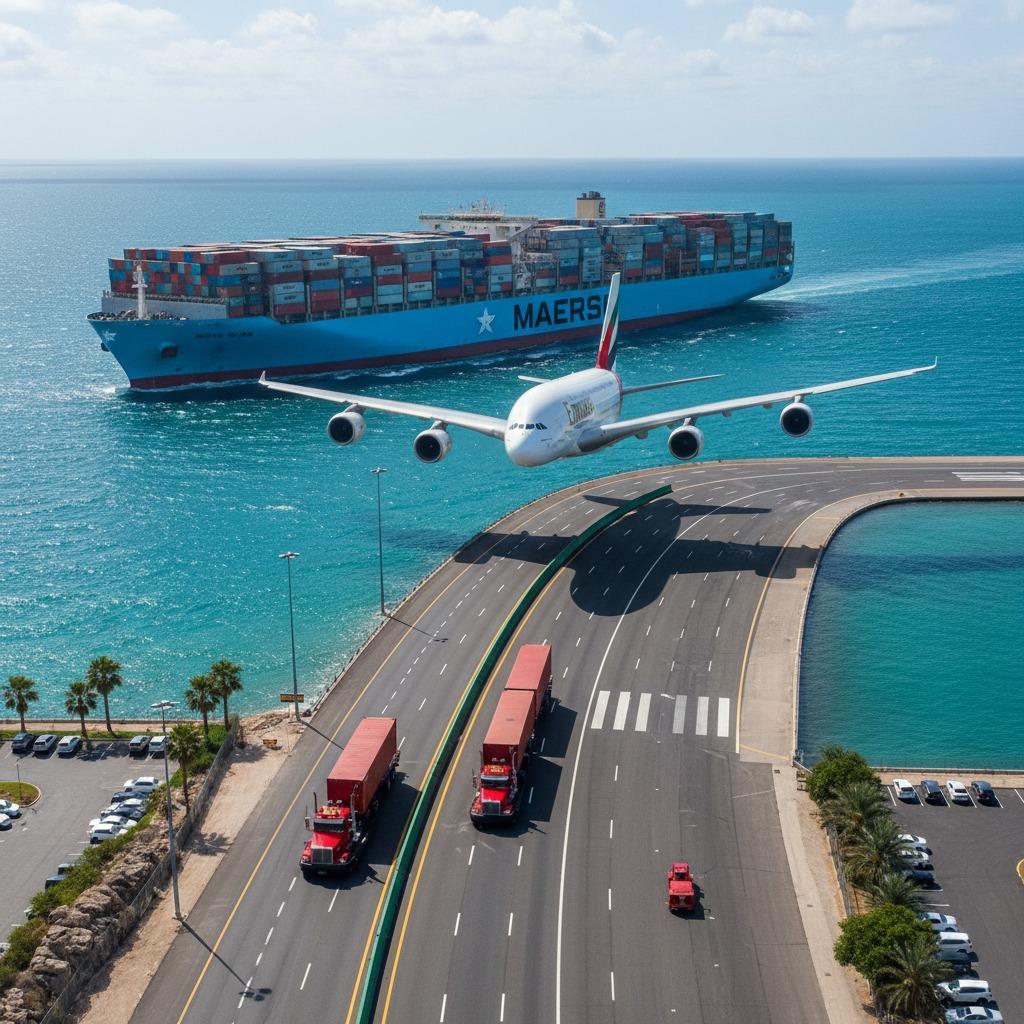
In today's fast-paced world, logistics stands as the backbone of global trade, ensuring goods move efficiently from origin to destination. Whether you're managing a small business or a multinational corporation, understanding how to streamline logistics can significantly reduce costs and improve delivery times. This guide will walk you through practical steps to enhance your logistics operations, drawing on innovative tools like advanced container ships, eco-friendly cargo trucks, and high-capacity aircraft to illustrate real-world applications.
Step 1: Assess Your Current Logistics Framework
To begin optimizing logistics, start by evaluating your existing supply chain. Map out every stage—from sourcing raw materials to final delivery—and identify bottlenecks such as delays in transportation or inefficient routing. For instance, consider how vessels like the Maersk Mc-Kinney Møller, with its capacity for over 18,000 TEU (twenty-foot equivalent units), can inspire scalable solutions for ocean freight. Use data analytics tools to track metrics like transit times and inventory levels. This assessment helps pinpoint areas where logistics can be upgraded, such as integrating GPS tracking in cargo trucks to monitor shipments in real-time. By thoroughly reviewing your framework, you'll lay a solid foundation for improvements that boost overall efficiency.
Step 2: Choose the Right Transportation Modes
Selecting appropriate transportation methods is crucial for effective logistics. Diversify your options based on cargo type, distance, and urgency. For sea logistics, opt for high-efficiency ships like the Triple-E class, which feature dual-fuel engines to cut emissions while maximizing capacity. On land, deploy eco-friendly cargo trucks equipped with advanced braking systems and aerodynamic designs—these not only handle heavy loads but also reduce fuel consumption by up to 20%. For air freight, leverage wide-body jets such as the Airbus A380, capable of carrying over 500 passengers or substantial cargo volumes with superior fuel efficiency. Compare costs and environmental impacts: sea shipping is cost-effective for bulk goods, trucks excel in regional distribution, and air transport suits time-sensitive items. Balancing these modes ensures resilient logistics that adapts to varying demands.
Step 3: Implement Technology for Seamless Tracking and Automation
Technology is a game-changer in modern logistics, enabling automation and visibility. Integrate IoT sensors and AI-driven software to automate inventory management and predict disruptions. For example, real-time data from navigation systems in cargo trucks can optimize routes, avoiding traffic and shortening delivery windows. In maritime logistics, advanced hull designs on ships like those with iconic blue exteriors minimize resistance, enhancing speed without extra fuel. For aviation, digital twins of aircraft operations can forecast maintenance needs, preventing delays. Start small by adopting cloud-based platforms for end-to-end tracking, then scale to blockchain for secure documentation. This step transforms logistics from reactive to proactive, ensuring shipments arrive on schedule while minimizing errors.
Step 4: Prioritize Sustainability in Logistics Practices
Sustainability is no longer optional in logistics; it's a competitive edge. Incorporate green technologies to lower your carbon footprint. Choose vessels with low-emission engines, like those reducing SOx and NOx outputs, or trucks with lane-keeping assistance that promote safer, more efficient driving. Airlines using fuel-efficient jets such as the A380 set benchmarks by cutting per-passenger emissions. Conduct a sustainability audit to measure your logistics impact, then set targets like switching to electric or hybrid fleets. Partner with eco-conscious carriers to align with global standards. By embedding sustainability, you'll not only comply with regulations but also appeal to environmentally aware customers, fostering long-term loyalty.
Step 5: Monitor, Measure, and Continuously Improve
Finally, establish key performance indicators (KPIs) to monitor your logistics performance, such as on-time delivery rates and cost per shipment. Use dashboards to review data monthly and adjust strategies accordingly. For instance, if ocean logistics via massive container ships show delays, refine port scheduling. In trucking, analyze GPS data to eliminate inefficient routes. Aviation logistics can benefit from post-flight reviews to enhance cargo handling. Gather feedback from stakeholders and invest in training to keep your team adept at emerging trends. Continuous improvement ensures your logistics operations evolve with industry advancements, driving sustained growth and reliability.
By following these steps, you'll master logistics and position your business for success in the global marketplace. From colossal ships to innovative trucks and jets, the tools available today make efficient logistics achievable for all.





