
Mastering Efficient Logistics: A Step-by-Step Guide to Optimizing Your Delivery Operations
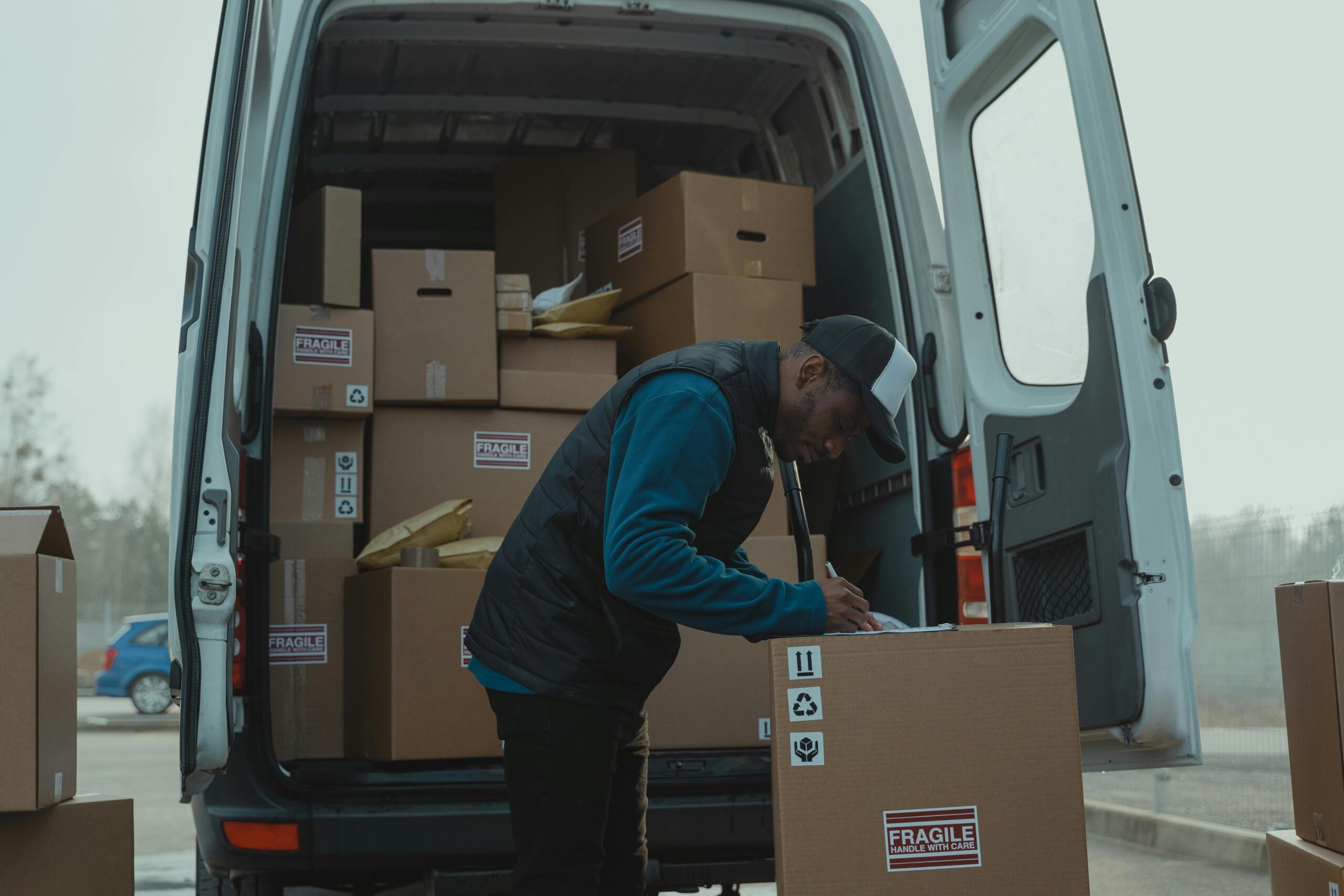
In the fast-paced world of logistics, staying ahead means embracing tools that streamline every aspect of your operations. Whether you're managing a small fleet or scaling up for broader distribution, our state-of-the-art delivery van is designed to revolutionize how you handle logistics. This guide will walk you through practical steps to integrate advanced transportation logistics into your daily routines, ensuring efficiency, safety, and reliability for all your package deliveries.
Step 1: Assess Your Current Logistics Needs
Before diving into any upgrades, start by evaluating your existing setup. Begin with a thorough audit of your current logistics service. Track the volume of packages you handle daily, note the average delivery times, and identify bottlenecks like inefficient loading or route delays. For instance, if your team is struggling with disorganized cargo space, this is a clear sign that transportation logistics improvements are essential. Measure the dimensions of your most common parcels and compare them against your vehicle's capacity. Our delivery van addresses these issues head-on with its ample cargo space and ergonomic shelves, which allow for organized storage of items in varying sizes. This step typically takes a day or two but sets the foundation for meaningful changes. By understanding your pain points, you'll be better prepared to implement solutions that enhance your overall logistics flow.
Step 2: Choose the Right Vehicle for Seamless Transportation Logistics
Once you've assessed your needs, selecting the appropriate vehicle is crucial. Focus on features that support robust logistics service without compromising on safety or speed. Look for a van with a wide rear door for effortless loading and unloading, which can cut down setup time during peak hours. Our delivery van excels here, offering a sleek exterior that projects professionalism while incorporating secure labeling systems for fragile or recyclable packages. These indicators remind handlers to treat items with care, reducing damage rates significantly. When evaluating options, consider fuel efficiency and eco-friendly designs to align with modern sustainability goals in logistics. Test drive potential vehicles on routes similar to yours, paying attention to how the interior layout maximizes vertical and horizontal space. This hands-on approach ensures the van integrates smoothly into your transportation logistics, potentially boosting delivery rounds by up to 20%.
Step 3: Implement Best Practices in Daily Logistics Operations
With the right vehicle in place, shift to operational best practices to fully leverage your logistics service. Train your team on using the van's features, such as the ergonomic shelves for quick parcel organization. Establish a routine for labeling and scanning packages before loading, which helps maintain accuracy throughout the transportation logistics process. Schedule regular maintenance checks to keep the vehicle in top condition, preventing unexpected downtime that could disrupt your logistics chain. Integrate route optimization software to pair with the van's capabilities, minimizing fuel use and delivery times. For example, group similar-sized packages together on the shelves to avoid reshuffling mid-route. Monitor performance metrics weekly, adjusting as needed to refine your logistics strategy. This ongoing implementation not only enhances efficiency but also fosters a culture of reliability and care in handling every package.
Step 4: Scale and Innovate for Future-Proof Logistics
As your operations grow, continuously innovate to keep your logistics ahead of the curve. Start by expanding your fleet with more units like our delivery van, which is engineered for speed, reliability, and eco-responsibility. Analyze data from your initial implementations to identify areas for further improvement in transportation logistics, such as adopting GPS tracking for real-time updates. Partner with suppliers who understand modern logistics service demands to ensure a steady flow of compatible tools and labels. Finally, gather feedback from your team and clients to refine processes, ensuring your logistics remain agile and customer-focused. By following these steps, you'll transform challenges into opportunities, creating a streamlined system that drives success in package transportation and beyond.
This comprehensive approach to logistics not only optimizes your current setup but positions you for long-term growth in an ever-evolving industry.





