
Understanding Logistics in Modern Air Travel
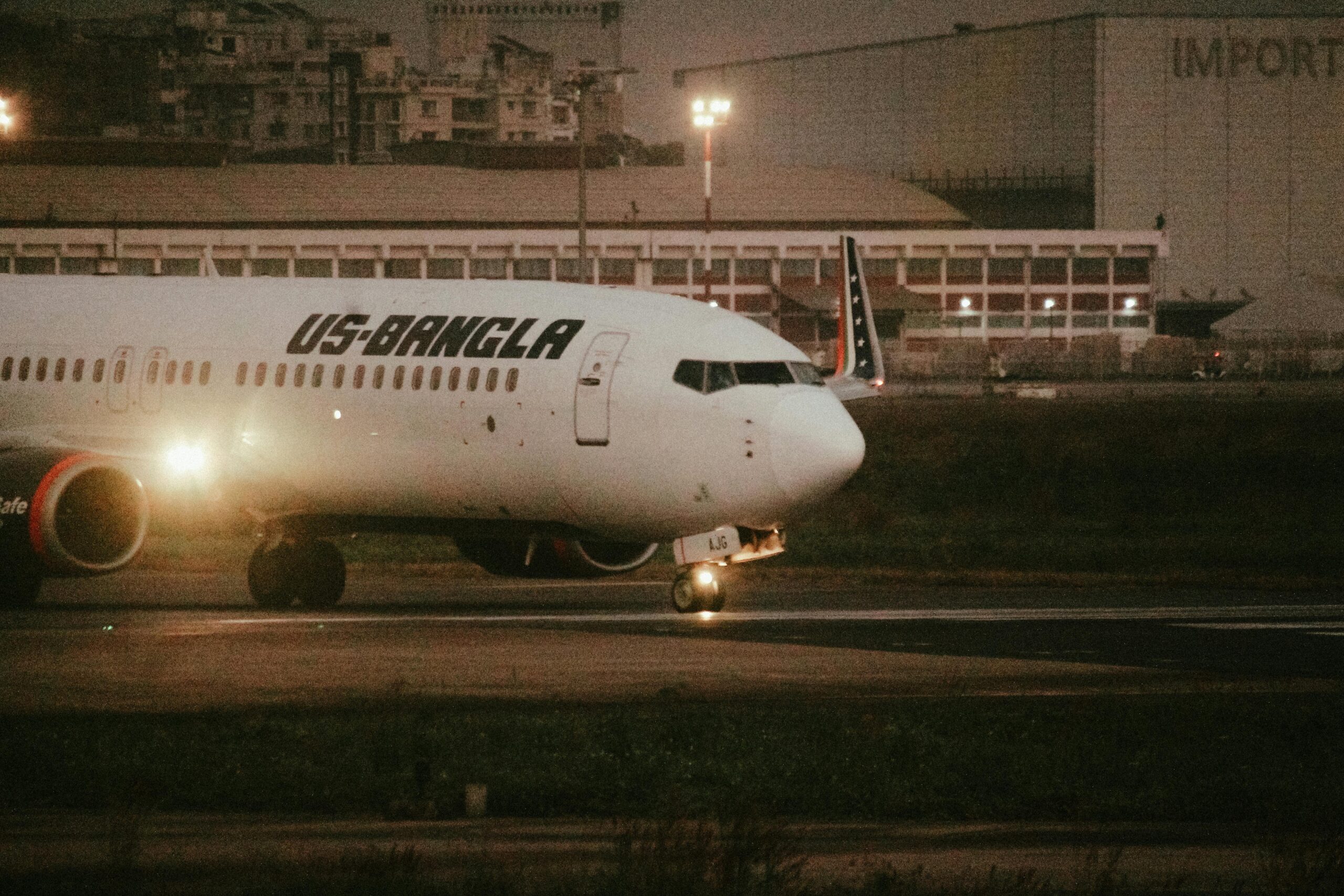
In the fast-paced world of global commerce, logistics plays a pivotal role in ensuring goods and services move efficiently across borders. As businesses expand internationally, the demand for reliable logistics has surged, particularly in sectors like aviation where timely delivery can make or break operations. This article explores the intricacies of logistics, focusing on air freight logistics and comprehensive logistics services, to highlight how these elements drive economic growth and connectivity.
The Fundamentals of Logistics
Logistics encompasses the planning, execution, and control of the movement and storage of goods, services, and information from origin to consumption. At its core, effective logistics minimizes costs while maximizing efficiency, involving coordination between suppliers, manufacturers, and distributors. In today's interconnected economy, logistics is not just about transportation but also about integrating technology for real-time tracking and optimization. For instance, advancements in supply chain management software allow companies to predict delays and adjust routes dynamically, reducing downtime and enhancing reliability. Statistics from the International Air Transport Association (IATA) indicate that air cargo volumes have grown by over 4% annually, underscoring the vital importance of robust logistics frameworks in supporting this expansion.
Air Freight Logistics: Speed and Precision
Air freight logistics represents a specialized branch of logistics that leverages aviation for rapid transport of high-value or time-sensitive goods. Unlike sea or road freight, air freight logistics offers unparalleled speed, often delivering packages within 24 to 48 hours across continents. This is particularly crucial for industries such as pharmaceuticals, electronics, and perishables, where delays can lead to significant losses. Key components include airport handling, customs clearance, and seamless integration with ground transportation. For example, modern air freight logistics employs automated sorting systems and GPS-enabled monitoring to ensure cargo integrity from loading to unloading. According to a 2023 report by the World Trade Organization, air freight accounts for 35% of global trade value despite comprising only 0.5% of volume, demonstrating its efficiency in high-stakes scenarios. Companies specializing in air freight logistics often partner with airlines to optimize flight schedules, further streamlining operations.
Enhancing Customer Experience Through Logistics Service
A superior logistics service goes beyond mere transportation, offering end-to-end solutions that include warehousing, inventory management, and customer support. In the aviation sector, logistics service providers ensure that cargo is not only transported swiftly but also handled with care to maintain quality. This involves trained personnel who manage documentation, comply with international regulations, and provide transparent updates to clients. For travelers and businesses alike, a well-executed logistics service can transform a routine journey into a seamless experience. Consider the role of airlines in facilitating air freight logistics; their commitment to safety and efficiency directly impacts the broader logistics ecosystem. Insights from logistics experts reveal that businesses adopting integrated logistics services see up to 20% reduction in operational costs, thanks to predictive analytics and sustainable practices like fuel-efficient routing.
The Future of Logistics in Aviation
Looking ahead, the evolution of logistics is intertwined with technological innovations such as blockchain for secure tracking and drones for last-mile delivery. Air freight logistics will likely see increased automation, with AI-driven forecasts optimizing capacity and reducing environmental impact. As global trade continues to boom, logistics service providers must adapt to challenges like geopolitical tensions and climate regulations. By prioritizing sustainability—such as using eco-friendly aircraft and carbon offset programs— the industry can balance growth with responsibility. In essence, mastering logistics ensures that businesses remain competitive, fostering a world where goods flow effortlessly, much like passengers enjoying a comfortable flight on a modern airline. This holistic approach to logistics not only drives efficiency but also builds trust in the global supply chain.





