
Mastering Global Logistics: A Step-by-Step Guide to Efficient Transportation
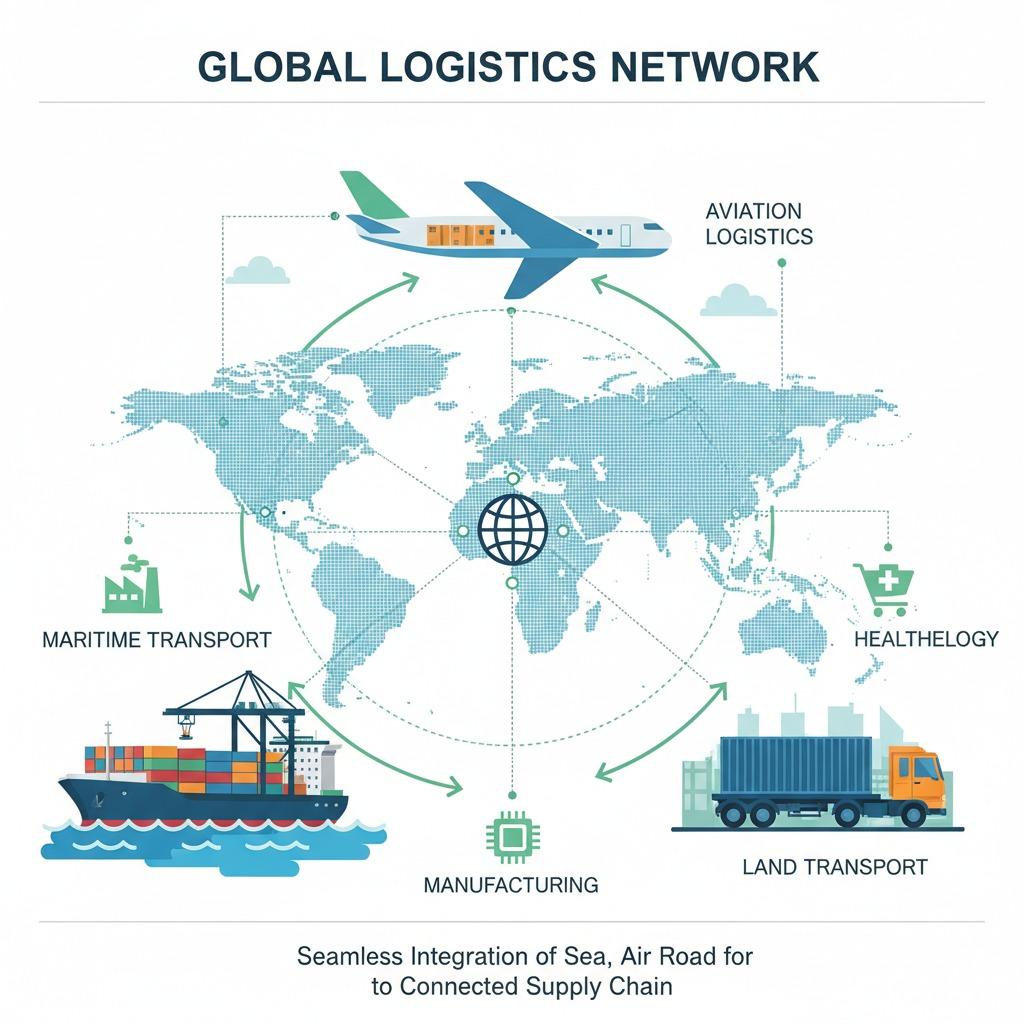
In today's fast-paced world of international trade, logistics stands as the backbone of successful business operations. Whether you're managing supply chains for e-commerce, manufacturing, or distribution, understanding logistics is essential for optimizing costs and delivery times. This guide provides a comprehensive how-to approach, focusing on seamless integration of maritime, aviation, and land transportation to revolutionize your logistics strategy.
Step 1: Assess Your Logistics Needs and Choose the Right Transportation Modes
To begin mastering logistics, start by evaluating your business requirements. Identify the volume, urgency, and destinations of your shipments. For high-capacity needs, opt for maritime solutions like colossal container ships equipped with advanced navigation and eco-friendly designs. These vessels handle massive cargo, ensuring reliability across transoceanic routes. Complement this with aviation for time-sensitive items; modern cargo aircraft offer sleek, aerodynamic efficiency and enhanced payload for faster continental deliveries. Don't overlook land transport—robust heavy-duty trucks are ideal for regional logistics, transporting standard-sized containers from providers like Maersk or Hamburg Süd. Strategically located container yards enhance this step, minimizing delays. By combining these modes, you'll create a flexible logistics system that reduces costs and boosts adaptability for industries from e-commerce to manufacturing.
Step 2: Implement Integrated Systems for Seamless Operations
Once you've selected your modes, focus on integration to streamline logistics. Invest in a dual-strength transportation system that merges ocean freight's expansive storage with air transit's speed. For instance, use a cutting-edge freight system with heavy-duty trucks for initial or final legs, optimized for durability under high payloads. In maritime logistics, choose vessels like the vibrant blue and red-hulled cargo ship with onboard high-capacity cranes. These allow precise loading and unloading, even in remote ports without facilities, maximizing versatility for bulk goods or industrial equipment. Incorporate state-of-the-art engine systems for fuel savings and reliable long-distance performance. Track everything with real-time software to monitor shipments, ensuring enhanced freight management and accelerated global connectivity. This step addresses common pain points like delays, providing unparalleled reliability for exporters and distributors alike.
Step 3: Optimize for Sustainability and Scalability in Logistics
Sustainability is key in modern logistics, so prioritize eco-friendly designs in your strategy. Select ships and aircraft with reduced fuel consumption and advanced safety features to navigate varying weather conditions. For land-based logistics, vibrant red transport vehicles with efficient engines cut emissions while handling large-scale shipments. Scale your operations by building partnerships with leading providers, ensuring compliance with industry standards for secure storage and organized transport. Regularly review performance metrics to refine routes, lowering costs and improving delivery speeds. This approach not only bridges global economies but also positions your business for growth in an interconnected world. By following these steps, you'll transform logistics from a challenge into a competitive advantage, delivering streamlined operations and customer satisfaction.
Step 4: Monitor, Adapt, and Innovate Your Logistics Framework
Finally, establish ongoing monitoring to keep your logistics dynamic. Use data analytics to adapt to market changes, such as fluctuating trade demands. Innovate by incorporating technology like automated cranes on vessels for speed and precision, or aerodynamic upgrades on aircraft for better efficiency. For comprehensive logistics, ensure all elements—maritime, aviation, and land—work in synergy, offering flexibility for specialty items or economic goods. This holistic method guarantees timely deliveries, cost reductions, and robust supply chain management. Businesses adopting this guide will experience the future of cargo logistics: reliable, performant, and ready to scale globally.





