
Mastering Global Logistics: A Step-by-Step Guide to Efficient Supply Chain Management
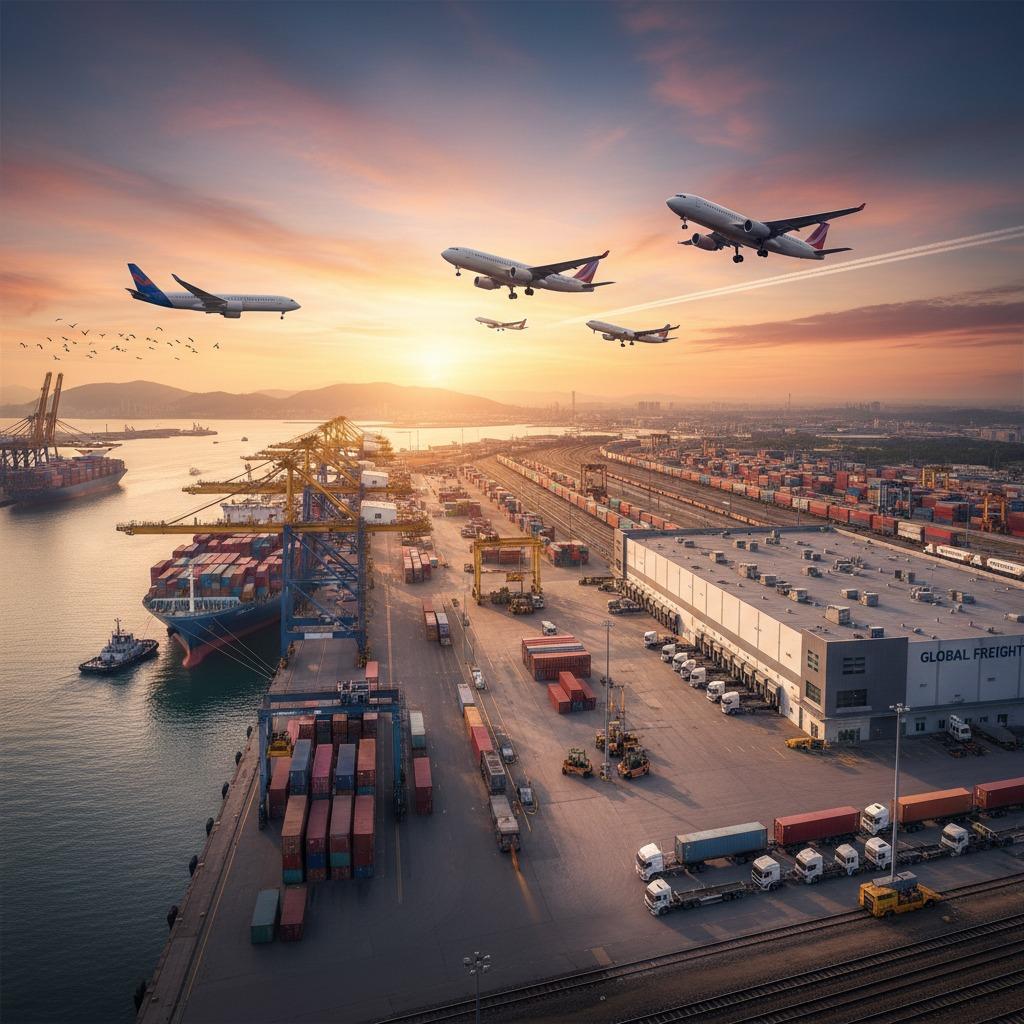
In today's fast-paced world, logistics stands as the backbone of global trade, ensuring that goods move seamlessly from origin to destination. Whether you're a business owner optimizing your supply chain or a professional looking to enhance operations, understanding logistics is crucial for success. This guide will walk you through the essentials of modern logistics, focusing on integrating air, sea, and land transportation to achieve unparalleled efficiency.
Step 1: Assessing Your Logistics Needs
Before diving into implementation, start by evaluating your current logistics setup. Identify key factors such as shipment volumes, delivery timelines, and geographic coverage. For instance, if your operations involve international trade, consider how air transport can expedite urgent deliveries while maritime routes handle bulk cargo cost-effectively. Tools like supply chain analysis software can help map out bottlenecks, ensuring that your logistics strategy aligns with business goals. By pinpointing these elements, you lay a strong foundation for a streamlined process that minimizes delays and costs.
Step 2: Integrating Multimodal Transportation
Once needs are assessed, focus on creating synergy between different transport modes. Begin with air logistics by selecting cargo aircraft designed for high efficiency, such as those with advanced aerodynamic features for rapid global shipments. Transition to sea logistics at ports equipped with towering cranes and tugboats for precise container handling. On land, coordinate trucks and trains to bridge the gap between airfields and docks. A state-of-the-art transportation hub serves as the central point, using automation systems for real-time data management. This integration reduces transit times— for example, cargo planes can swiftly deliver to ports where automated cranes unload containers in minutes, followed by efficient ground transport.
Step 3: Leveraging Advanced Technology in Logistics
Technology is a game-changer in logistics, so incorporate cutting-edge solutions to enhance operations. Implement the NextGen Automated Port System, featuring robotic cranes and autonomous vehicles for precise container management. These AI-driven tools optimize scheduling and monitoring, cutting turnaround times by up to 50%. Ensure sustainability by adopting energy-efficient practices, like eco-friendly port operations that lower emissions without sacrificing speed. Start small: pilot automation in one segment, such as sea-to-land transfers, then scale up. Real-time tracking via central facilities keeps everything connected, allowing for proactive adjustments to avoid disruptions.
Step 4: Optimizing for Efficiency and Scalability
With technology in place, refine your logistics for peak performance. Regularly audit workflows to eliminate redundancies— for example, synchronize air and maritime schedules to avoid idle time at ports. Train your team on new systems to foster precision and teamwork, much like tugboats assisting massive container ships. Monitor key metrics like delivery accuracy and cost per shipment to measure success. As your business grows, scale by expanding hub capabilities, ensuring logistics remains agile. This approach not only meets modern industry demands but also positions your operations for future innovations, shrinking distances and expanding opportunities in global commerce.
Step 5: Ensuring Compliance and Sustainability in Logistics
Finally, prioritize regulatory compliance and environmental responsibility to future-proof your logistics. Adhere to international standards for air, sea, and land transport, including customs protocols and safety regulations. Incorporate green practices, such as using fuel-efficient aircraft and ports with reduced carbon footprints. Conduct periodic reviews to adapt to changing policies, ensuring your supply chain remains robust. By embedding these principles, you not only mitigate risks but also enhance your brand's reputation in a market that values sustainable logistics.
Mastering logistics transforms challenges into opportunities, enabling faster, more reliable global shipments. Follow these steps to build a resilient supply chain that drives business growth.





