
Mastering Global Logistics: A Step-by-Step Guide to Efficient Supply Chain Management
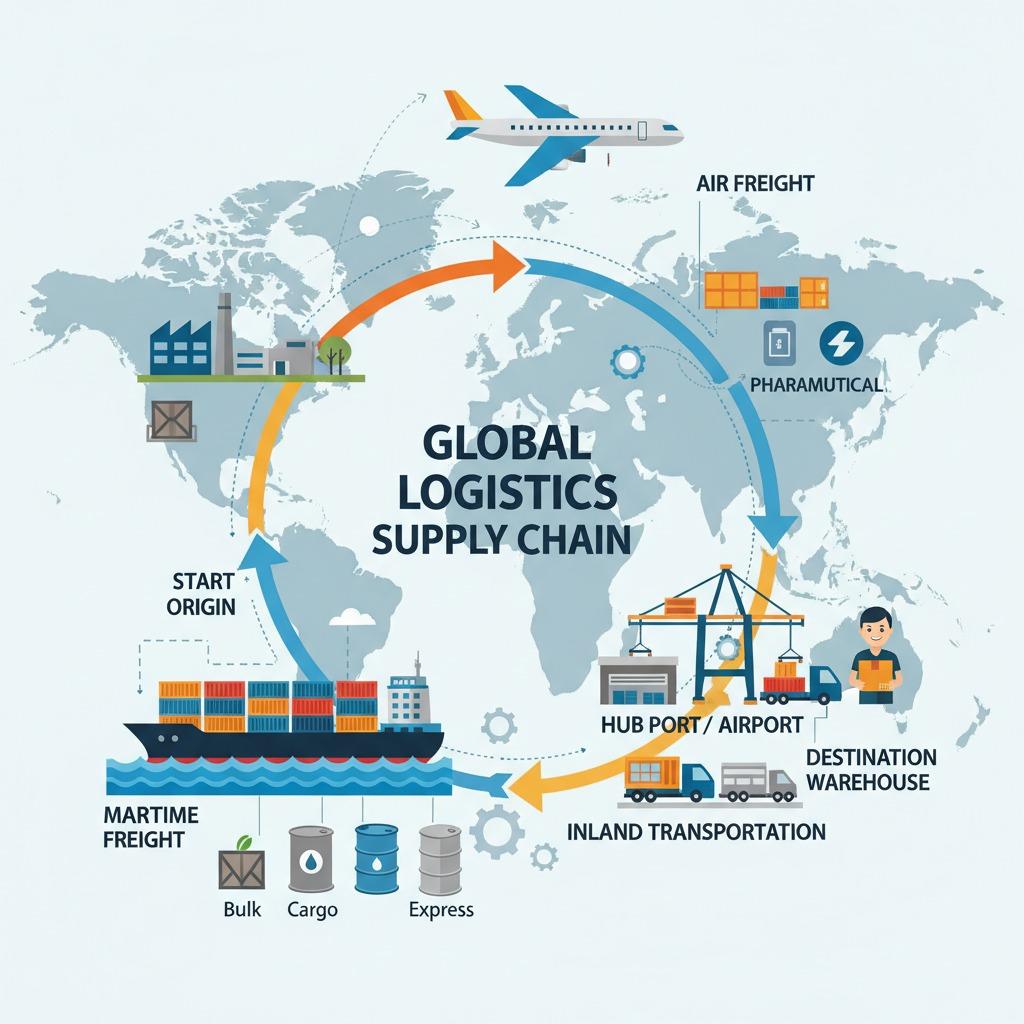
In today's fast-paced world, logistics stands as the backbone of global trade, ensuring goods move seamlessly from origin to destination. Whether you're a business owner optimizing your supply chain or a logistics professional seeking best practices, understanding logistics is key to reducing costs and enhancing efficiency. This guide provides a comprehensive, step-by-step approach to implementing effective logistics strategies, drawing on innovative solutions like integrated maritime and air freight systems.
Step 1: Assess Your Logistics Needs and Plan Strategically
To begin mastering logistics, start by evaluating your specific requirements. Identify the types of goods you'll handle—whether small parcels, industrial machinery, or bulk cargo—and determine the optimal transport modes. For instance, consider a revolutionary logistics solution that combines maritime shipping for large volumes and air freight for time-sensitive deliveries. Maritime options, like state-of-the-art cargo ships with precision-stacked containers and eco-friendly fuels, are ideal for cost-effective, high-capacity transport across oceans. Meanwhile, air freight aircraft ensure rapid global accessibility, connecting major hubs with advanced tracking.
Create a detailed logistics plan by mapping out routes, timelines, and potential bottlenecks. Factor in sustainability: opt for vessels with reduced carbon emissions to align with global standards. Tools like supply chain software can help simulate scenarios, ensuring your plan balances cost, speed, and reliability. This initial assessment prevents costly oversights and sets a strong foundation for your operations.
Step 2: Select Integrated Transport Solutions for Versatility
Once your needs are clear, choose versatile logistics providers that offer seamless coordination between modes. A robust setup, such as a heavy-duty cargo truck paired with international containers from brands like Maersk, excels in domestic and urban hauling while integrating with global networks. For maritime logistics, select vessels equipped with integrated cranes and spacious holds designed for diverse loads, from containers to oversized projects. These ships feature aerodynamic designs for fuel efficiency and advanced navigation systems to handle challenging conditions.
Integrate air and sea options for scalability—small shipments via plane for urgency, large consignments by ship for economy. Prioritize providers with unified systems that optimize transit times and costs. For example, a dual-mode logistics solution ensures every shipment, whether by vibrant red trucks towing KTTC containers or blue-hulled cargo ships, arrives intact with real-time tracking. This step enhances reliability, allowing businesses to scale without disrupting workflows.
Step 3: Implement Advanced Cargo Management and Tracking
With your transport selected, focus on execution through advanced cargo management. Streamline loading with precision systems on ships and trucks to minimize downtime, ensuring structural balance and safety. For air freight, leverage top-tier aircraft for swift, continent-spanning delivery, supported by precision tracking.
Deploy logistics software for end-to-end visibility, monitoring shipments from dockside cranes lifting heavy loads to final urban delivery. Emphasize safety measures, like reinforced containers and weather-resilient designs, to protect goods. Regular audits and training for teams on eco-conscious practices, such as sustainable fuel use, further refine your process. This implementation phase turns planning into action, fostering efficiency and compliance.
Step 4: Optimize and Scale Your Logistics Operations
Finally, continuously optimize your logistics framework to adapt to growth. Analyze performance metrics like delivery times and emission levels to identify improvements—perhaps upgrading to vessels with high-capacity bridges for better control or trucks with optimized fuel usage for lower costs. Scale by expanding networks, incorporating more international hubs for air freight or diverse cargo holds for maritime versatility.
Foster partnerships with reliable providers offering integrated advantages, ensuring your logistics evolves with market demands. By following these steps, businesses can achieve unparalleled dependability, turning potential challenges into opportunities for innovation and sustainability in global trade.





