
Understanding the Essentials of Logistics in Modern Aviation
Logistics forms the backbone of efficient operations in industries like aviation and transportation, ensuring that goods, passengers, and resources move seamlessly from one point to another. In the context of airports, logistics encompasses a wide range of activities that keep the wheels of global travel turning. This article explores the critical role of logistics in airport ground handling, cargo management, and overall supply chain efficiency, drawing on advanced systems that enhance safety and sustainability. By examining key components, we can appreciate how robust logistics solutions drive the aviation sector forward.
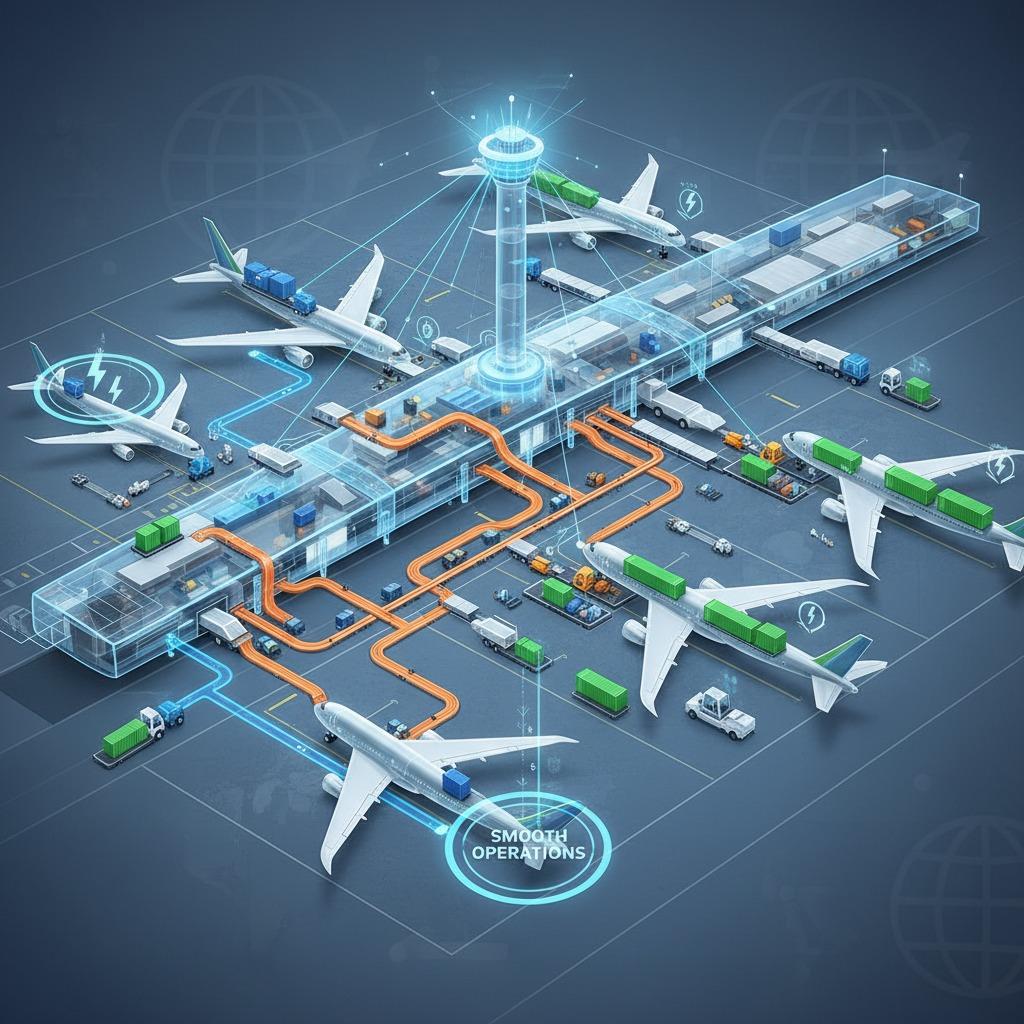
Aircraft Refueling and Ground Support: Streamlining Logistics
One of the core pillars of airport logistics is aircraft refueling solutions, which prioritize speed, safety, and environmental responsibility. Modern fuel trucks, designed with modular architectures, allow for quick connections and efficient fuel delivery, significantly reducing aircraft turnaround times. These systems not only minimize operational costs for airlines but also incorporate eco-friendly technologies, such as low-emission pumps and spill-prevention mechanisms. In high-traffic airports, where thousands of flights operate daily, effective logistics in refueling can prevent delays and ensure compliance with stringent international standards. Statistics from the International Air Transport Association (IATA) indicate that optimized refueling processes can cut fuel waste by up to 20%, highlighting the tangible benefits of advanced logistics integration.
Beyond refueling, ground support equipment (GSE) plays a vital role in logistics by facilitating the movement of baggage, cargo, and supplies. Automated container transporters and baggage carts are engineered for heavy-duty use, protecting items during transfer between terminals and aircraft. This precision in handling reduces loss rates, which the aviation industry reports at less than 1% with modern systems. Logistics here extends to real-time tracking technologies, like RFID tags, that provide visibility into every stage of cargo movement, enabling proactive issue resolution and boosting overall efficiency.
Passenger Boarding and Cargo Transportation: Enhancing Logistics Flow
Passenger boarding systems represent another facet of logistics, where retractable bridges and ergonomic designs ensure secure and swift embarkation. These innovations cater to diverse aircraft types, from narrow-body jets to wide-body airliners, accommodating varying door heights and passenger volumes. In logistics terms, this means synchronized operations that align with flight schedules, minimizing wait times and enhancing passenger satisfaction. Insights from airport management studies show that efficient boarding logistics can improve on-time departure rates by 15%, a critical metric for airlines competing in a fast-paced market.
For cargo logistics, heavy-duty trucks and conveyor systems are indispensable, especially in handling large containers from global carriers. These vehicles feature robust chassis and aerodynamic profiles that optimize fuel use while navigating challenging terrains. In container shipping, logistics involves meticulous planning to synchronize truck fleets with port and airport schedules, ensuring uninterrupted flows. The use of hybrid or electric-powered equipment further aligns logistics with sustainability goals, reducing carbon footprints in line with global regulations like the EU's Green Deal. Data from the World Shipping Council reveals that efficient logistics in container transport can lower emissions by 10-15% through better route optimization and vehicle maintenance.
The Future of Sustainable Logistics in Aviation
Looking ahead, logistics in aviation is evolving towards greater integration of technology, such as AI-driven predictive analytics and IoT-enabled monitoring. These tools forecast demand, optimize resource allocation, and mitigate disruptions like weather delays. For instance, advanced avionics in aircraft complement ground logistics by providing real-time data for fuel and cargo planning, creating a cohesive ecosystem. The emphasis on sustainability is evident in the adoption of electric GSE, which not only cuts operational costs but also supports the industry's net-zero emissions target by 2050, as pledged by IATA members.
In summary, logistics is not just about movement; it's about creating efficient, safe, and green pathways for aviation's complex operations. From refueling to cargo hauling, each element contributes to a streamlined global network that powers commerce and connectivity. As airports and airlines invest in these systems, the future promises even greater reliability and innovation in logistics practices.





