
Mastering Logistics: A Step-by-Step Guide to Efficient Global Supply Chain Management
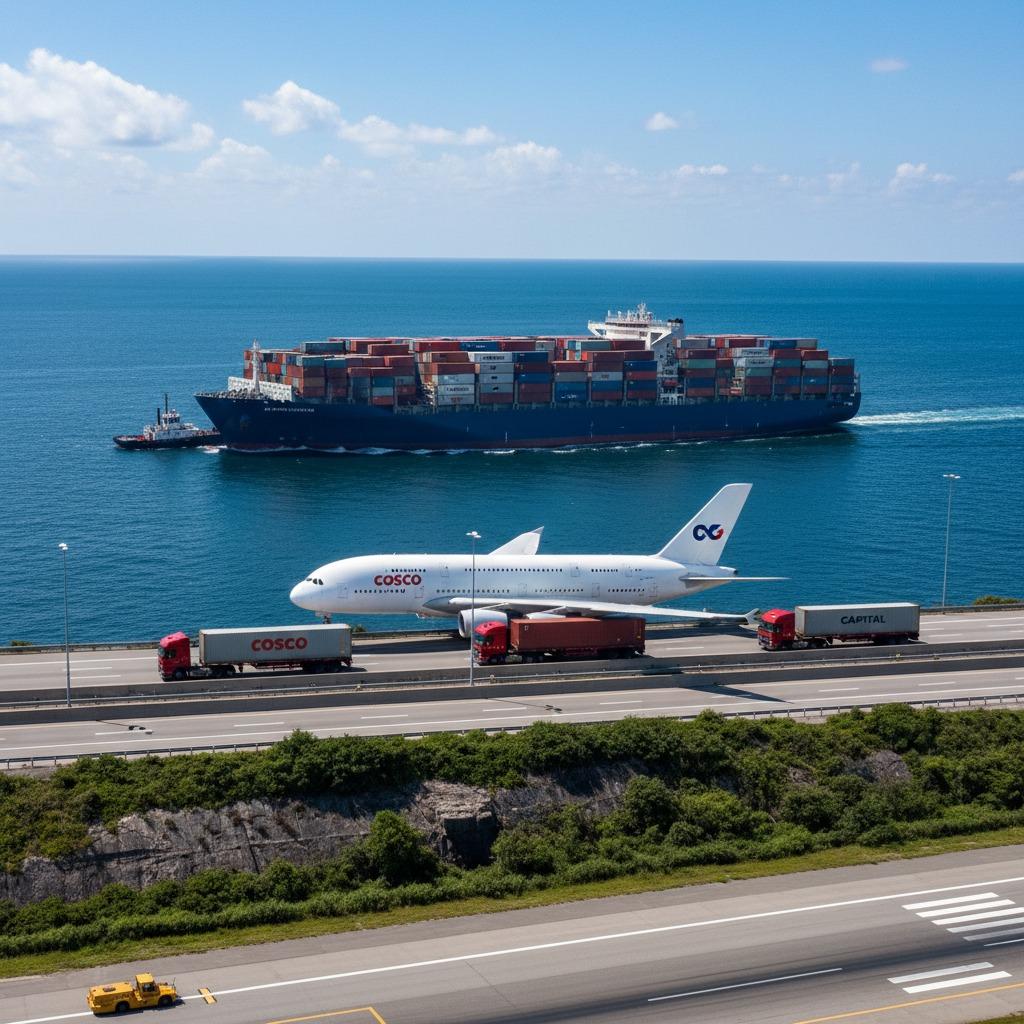
In today's interconnected world, logistics stands as the backbone of global trade, ensuring goods move seamlessly from origin to destination. Whether you're managing shipments via massive container ships like Maersk Line's iconic blue vessels or coordinating truck fleets for land transport, understanding logistics is essential for business success. This guide provides a comprehensive, step-by-step approach to optimizing your logistics operations, drawing on real-world examples from maritime giants and heavy-duty trucking solutions.
Step 1: Assess Your Logistics Needs and Plan Strategically
To begin mastering logistics, start with a thorough assessment of your supply chain requirements. Identify the types of goods you'll handle—whether consumer electronics stacked in standardized containers on colossal Maersk ships or apparel transported via robust heavy-duty trucks with advanced suspension systems. Evaluate key factors like volume, distance, and timelines. For instance, if your operations involve international trade, consider the capacity of vessels like the Airbus A380 for air freight alternatives, which can carry hundreds of passengers and cargo with fuel-efficient engines.
Create a detailed plan that outlines routes, modes of transport, and potential bottlenecks. Use tools like logistics software to map out efficient pathways, ensuring balanced weight distribution much like the meticulously arranged decks on Maersk's maritime marvels. Incorporate sustainability goals early—opt for fuel-efficient engines in trucks or low-emission ships to reduce your carbon footprint. This planning phase sets the foundation, preventing costly delays and aligning your logistics with global standards.
Step 2: Select the Right Transportation Partners and Equipment
Once your plan is in place, choose reliable partners and equipment tailored to your logistics demands. For sea transport, partner with leaders like Maersk Line, whose towering superstructures house state-of-the-art communication systems for real-time tracking. Their colossal container ships, painted in signature blue, optimize space for vast loads, connecting economies worldwide.
On land, invest in heavy-duty trucks designed for hauling large containers from companies like COSCO. These vehicles feature powerful engines, aerodynamic cabs for fuel efficiency, and safety enhancements like advanced braking systems. If air logistics is part of your strategy, consider the Airbus A380's expansive cabin configurations for high-value, time-sensitive cargo, blending luxury with operational excellence.
Negotiate contracts that include visibility features, such as GPS integration, to monitor shipments in real-time. Prioritize partners committed to innovation, ensuring your logistics network remains agile and resilient against disruptions like weather or port congestion.
Step 3: Implement Advanced Technology for Seamless Execution
Technology is the game-changer in modern logistics. Integrate navigation bridges and communication systems akin to those on Maersk's advanced vessels for precise control during long-haul journeys. Deploy IoT sensors in trucks to track temperature and location, minimizing wear and tear while enhancing safety with superior lighting and visibility features.
Adopt warehouse management systems to streamline loading and unloading, mirroring the optimized container arrangements on massive ships. For air components, leverage the A380's four-engine reliability for dependable freight schedules. Automate documentation with blockchain for faster customs clearance, reducing paperwork delays.
Train your team on these tools to ensure smooth operations. Regular audits will help refine processes, maintaining efficiency and compliance in your logistics framework.
Step 4: Monitor, Optimize, and Scale Your Logistics Operations
Execution is ongoing—monitor every stage using dashboards that provide insights into performance metrics. Analyze data from truck fleets' fuel-efficient runs or ship voyages to identify inefficiencies, such as suboptimal routes, and adjust accordingly.
Focus on sustainability by tracking emissions and adopting greener practices, inspired by Maersk's commitment to reduced environmental impact. Scale by expanding partnerships or incorporating multimodal logistics, combining sea, road, and air for comprehensive coverage.
Finally, foster continuous improvement through feedback loops and industry benchmarks. By following these steps, your logistics will not only facilitate trade but also drive competitive advantage, ensuring goods—from electronics to apparel—reach destinations reliably and efficiently.
This guide equips you to transform logistics challenges into opportunities, leveraging cutting-edge solutions for a robust supply chain.





