
Understanding the Essentials of Logistics
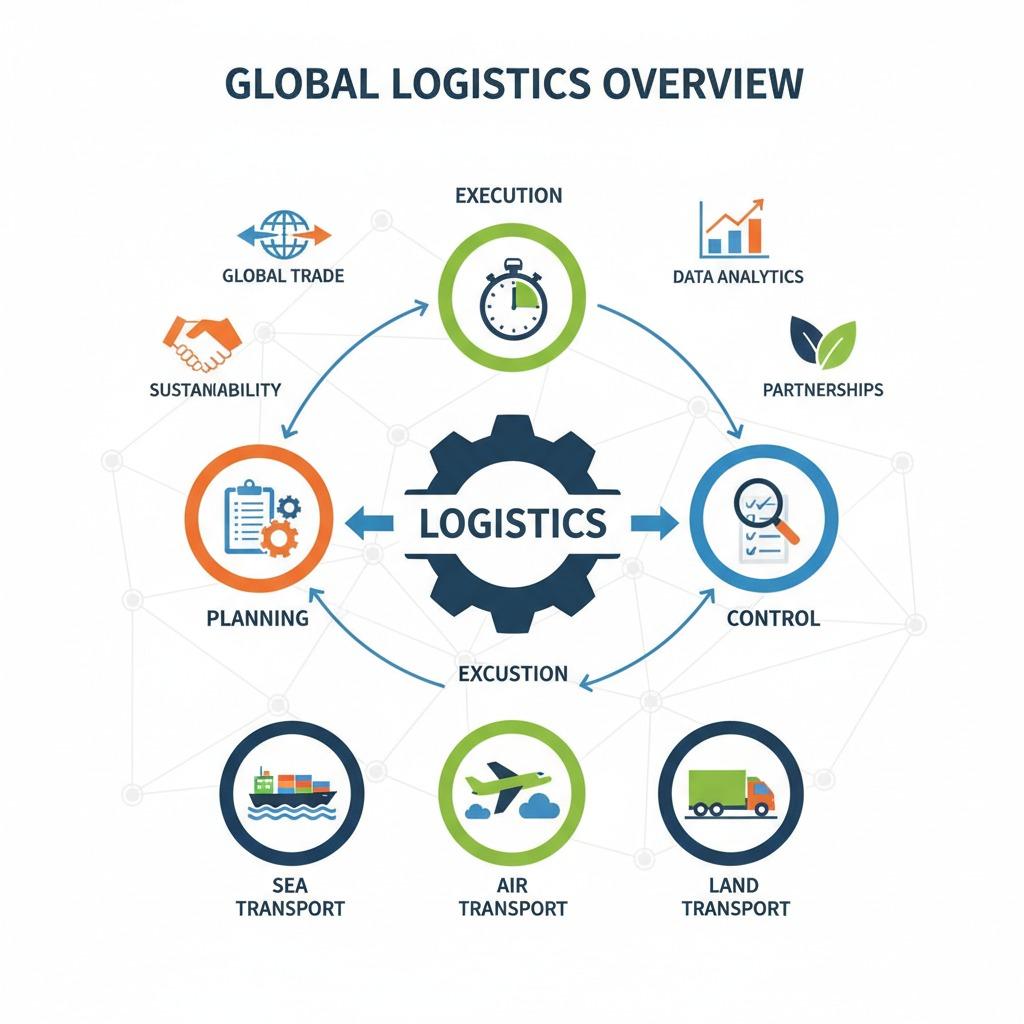
Logistics forms the backbone of modern global trade, encompassing the planning, execution, and control of the movement and storage of goods. In today's fast-paced business environment, effective logistics ensures that products reach their destinations efficiently and on time. This guide will walk you through the key components of logistics, focusing on how integrated solutions like sea freight, air cargo, and land transportation can optimize your supply chain. Whether you're a small business expanding internationally or a large enterprise managing high-volume shipments, mastering logistics is crucial for success.
Step 1: Assessing Your Logistics Needs
The first step in implementing a robust logistics strategy is to evaluate your specific requirements. Begin by analyzing the type of goods you handle—whether they are perishable items needing quick air transport or bulk commodities suited for sea freight. Consider factors like volume, destination, and timelines. For instance, if you're shipping high-value electronics, prioritize air cargo for its speed, as highlighted in advanced logistics solutions that combine sleek aircraft with optimized routing. Next, map out your supply chain to identify bottlenecks, such as customs delays or storage needs. Tools like inventory management software can help forecast demand and streamline planning. By thoroughly assessing these elements, you set a solid foundation for efficient logistics operations that minimize costs and maximize reliability.
Step 2: Choosing the Right Transportation Modes
Once your needs are clear, select the appropriate transportation modes to match. Start with sea freight for cost-effective, large-scale shipments. Modern cargo ships, equipped with high-capacity holds and heavy-duty cranes, are ideal for containerized goods like machinery or retail products. These vessels feature fuel-efficient designs and state-of-the-art navigation to ensure safe passage across international waters, reducing ecological impact while delivering on time. For time-sensitive deliveries, integrate air cargo services, which excel in reaching remote or inland locations swiftly. Complement these with land-based options, such as robust tractor-trailers capable of hauling multiple containers over long distances. These trucks, with their durable builds and advanced engineering, provide flexibility for domestic legs of your journey. The key is integration—combine sea, air, and road logistics for a seamless network that adapts to your business's global footprint.
Step 3: Implementing Technology and Best Practices
With modes selected, focus on technology to enhance your logistics efficiency. Invest in tracking systems that offer real-time visibility, from cargo ships' wheelhouses to aircraft in flight. Automation in loading and unloading, like onboard cranes on multi-purpose vessels, speeds up operations and reduces errors. Adopt sustainable practices, such as fuel-efficient routing for trucks and ships, to comply with environmental regulations and appeal to eco-conscious partners. Train your team on logistics software for inventory control and route optimization. Regularly audit your processes to identify improvements, ensuring compliance with international standards. For example, when using containerized transport, verify compatibility with global shipping brands to avoid delays.
Step 4: Optimizing and Scaling Your Logistics Operations
Finally, monitor and refine your logistics system for long-term scalability. Use data analytics to review performance metrics, like delivery times and costs, adjusting as needed. Partner with reliable providers offering unified sea and air solutions for end-to-end management. As your business grows, scale by incorporating versatile vessels that handle diverse cargo, from bulk grains to high-tech components. This approach not only boosts efficiency but also supports expansion into new markets. By following these steps, you'll transform logistics from a challenge into a competitive advantage, driving your company's international success.





