
Mastering Logistics: A Step-by-Step Guide to Efficient Supply Chain Management
In the fast-paced world of global trade, logistics forms the backbone of seamless operations, ensuring goods move from origin to destination without unnecessary delays. Whether you're a business owner or a supply chain enthusiast, understanding logistics is crucial for optimizing efficiency and reducing costs. This guide will walk you through the essential steps to implement effective logistics strategies, drawing on innovative technologies like automated systems and multimodal transport to elevate your operations.
Assess Your Current Logistics Framework
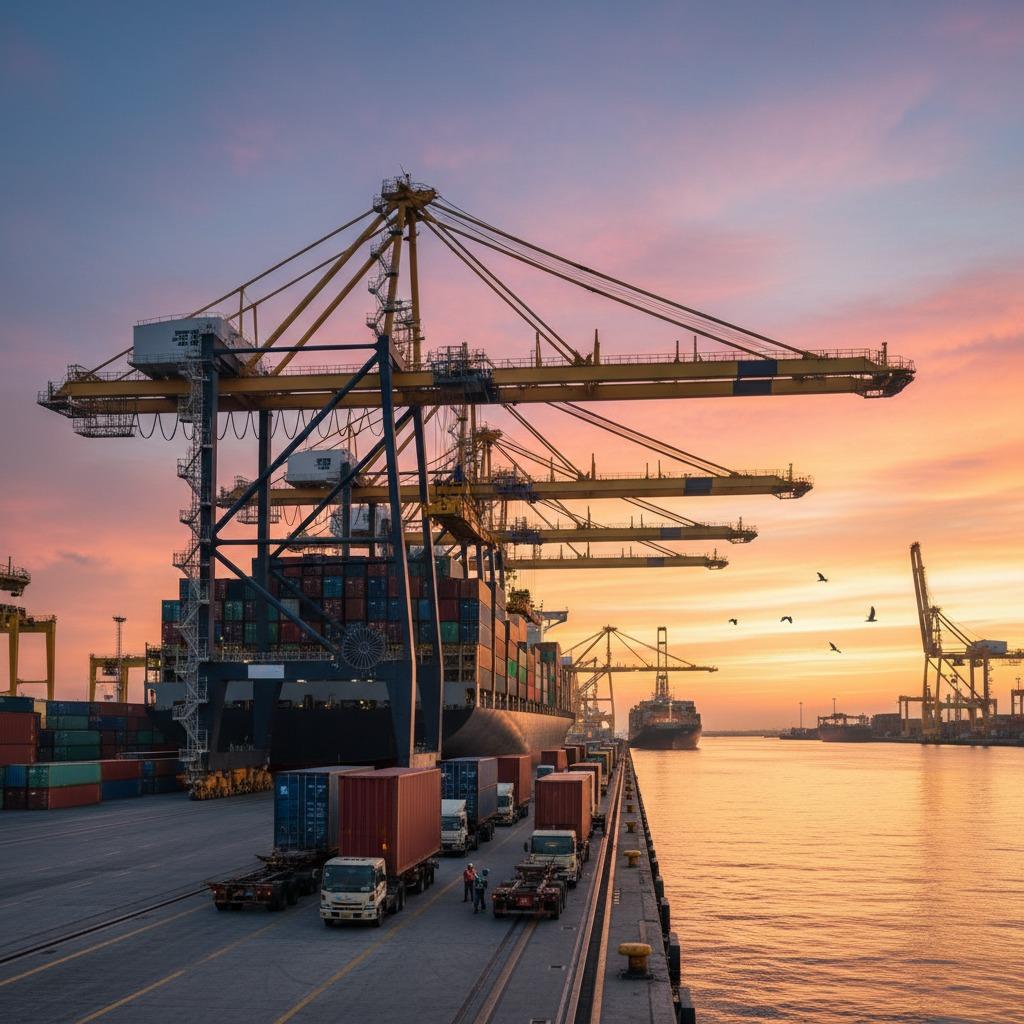
The first step in mastering logistics is to thoroughly evaluate your existing setup. Begin by mapping out your current supply chain, identifying key touchpoints from procurement to delivery. Analyze bottlenecks, such as delays in warehousing or transportation handoffs, using tools like flowcharts or software analytics. For instance, in a bustling port environment, consider how cargo ships, cranes, and containers interact—much like the dynamic scenes of aerial and maritime synergy where aircraft and sea vessels coordinate for swift global connectivity. Gather data on costs, timelines, and error rates to pinpoint areas for improvement. This assessment phase sets the foundation, allowing you to prioritize high-impact changes. Aim to involve your team for diverse insights, ensuring a comprehensive view that aligns with your business goals. Once assessed, you'll have a clear picture of where logistics can be streamlined for better performance.
Integrate Cutting-Edge Technologies for Logistics Optimization
With your framework evaluated, the next step is to incorporate advanced technologies to enhance logistics efficiency. Start by adopting automation tools, such as robotic cranes and AI-driven routing systems, similar to the SmartPort Automated Container Handling System that revolutionizes port operations with precision and speed. Implement real-time tracking software to monitor shipments across air, sea, and land modes—envision fleets of trucks, cargo ships, and planes working in harmony at a state-of-the-art distribution center. Choose scalable solutions that integrate with your existing infrastructure, like IoT sensors for predictive maintenance on vehicles and equipment. Train your staff on these tools to ensure smooth adoption, focusing on how they reduce environmental impact through sustainable practices. Test integrations in a pilot phase, measuring metrics like throughput and delivery times, to refine before full rollout. This technological infusion not only boosts speed but also fosters reliability in your logistics network.
Build Robust Partnerships and Sustainability Practices
Building on technology, forge strong partnerships to fortify your logistics ecosystem. Collaborate with reliable suppliers, carriers, and third-party logistics providers who specialize in multimodal transport, ensuring seamless transitions between sea freight at modern ports and air deliveries via sleek aircraft. Negotiate contracts that emphasize flexibility and eco-friendly options, such as low-emission vehicles and green energy models in hubs. Develop contingency plans for disruptions, like weather delays, by diversifying routes and maintaining buffer inventory. Emphasize sustainability by auditing your chain for carbon footprints and adopting practices that minimize waste, akin to the innovative setups in advanced logistics facilities with glass-fronted buildings symbolizing transparency. Regularly review these partnerships through performance audits to maintain high standards. This step ensures resilience, turning potential challenges into opportunities for growth in global commerce.
Monitor, Measure, and Continuously Improve Logistics Performance
The final step is to establish ongoing monitoring and improvement protocols for your logistics operations. Set up key performance indicators (KPIs) such as on-time delivery rates, cost per shipment, and inventory accuracy, using dashboards for real-time visibility. Conduct monthly reviews to analyze data trends, adjusting strategies as needed—for example, optimizing container stacking based on AI insights to handle high-volume transactions efficiently. Encourage feedback from all stakeholders to identify emerging issues early. Invest in continuous training to keep your team ahead of industry evolutions, like the integration of railway connections for inland bulk transport. By iterating on these insights, your logistics will evolve into a responsive, future-proof system that supports scalable business expansion. This cyclical approach guarantees long-term success in the ever-evolving landscape of global trade.





