
Mastering Logistics: A Step-by-Step Guide to Efficient Transportation and Shipping
In today's fast-paced global economy, logistics plays a pivotal role in ensuring that goods move seamlessly from origin to destination. Whether you're a small business owner or managing a large supply chain, understanding how to optimize logistics can significantly reduce costs and improve delivery times. This guide will walk you through practical steps to enhance your logistics service, with a focus on transportation logistics, including innovative solutions like modern container cargo vessels.
Understanding the Basics of Logistics
Start by assessing your current logistics framework. Logistics encompasses the planning, execution, and control of the movement and storage of goods. Begin with a thorough audit of your supply chain: identify key bottlenecks such as delays in transportation logistics or inefficiencies in warehousing. Gather data on your current logistics service providers, including shipping routes, costs, and timelines. Tools like supply chain management software can help visualize these processes. Once you have this overview, set clear goals, such as reducing transit times by 20% or cutting fuel costs through better route optimization. Remember, effective logistics starts with accurate forecasting of demand to avoid overstocking or shortages.
Selecting the Right Logistics Service Providers
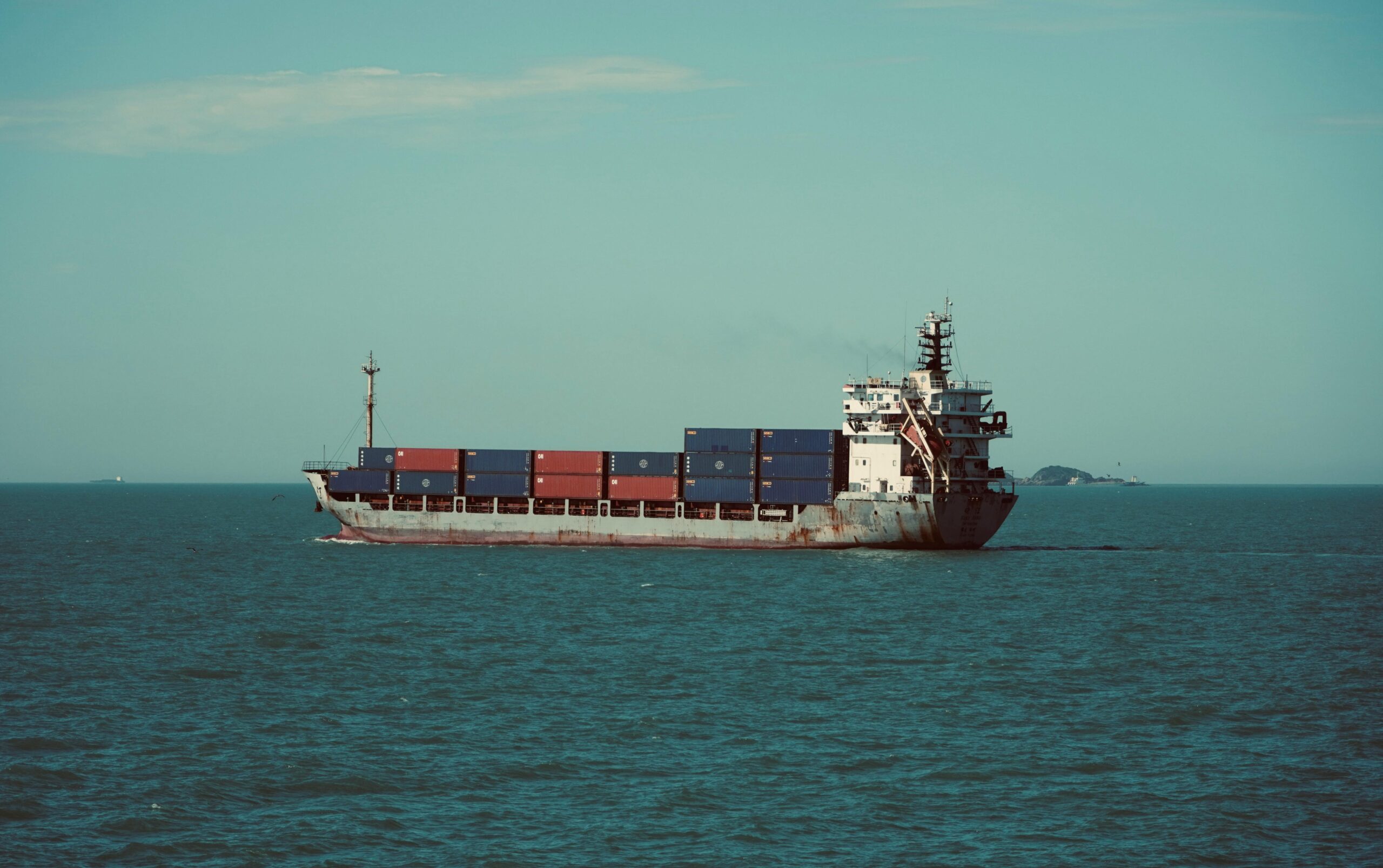
Next, evaluate and choose reliable partners for your logistics service. Research providers that specialize in transportation logistics, focusing on those with a track record in maritime, road, or air shipping. For instance, consider innovative options like the latest container cargo vessels designed for modern shipping demands. These vessels feature enhanced cargo capacity and a streamlined design for stacking red and blue containers efficiently, ensuring stability and fuel efficiency on oceanic journeys. Key features to look for include marine-grade construction for durability against harsh environments, technological integrations like advanced navigation systems for precise handling, and eco-friendly propulsion to minimize emissions. When selecting a provider, request quotes and compare based on reliability, scalability, and sustainability. Negotiate contracts that include real-time tracking to monitor your shipments, which is crucial for maintaining a robust logistics service.
Implementing Efficient Transportation Logistics Strategies
With providers in place, implement strategies to streamline transportation logistics. First, optimize your routes using GPS and AI-driven tools to avoid congestion and reduce mileage. For sea-based logistics, leverage vessels with high container fill rates and energy-efficient engines to handle diverse goods while promoting environmental sustainability. Integrate inventory management systems that sync with your logistics service for just-in-time deliveries, minimizing storage needs. Train your team on best practices, such as proper packaging to prevent damage during transit. Regularly review performance metrics, like on-time delivery rates, and adjust as needed—perhaps by diversifying modes of transportation to include multimodal options for flexibility. Additionally, incorporate crew-friendly designs in maritime operations, like comfortable cabin decks, to ensure smooth long-haul management.
Leveraging Technology and Sustainability in Logistics
Incorporate cutting-edge technology to future-proof your logistics. Adopt IoT devices for real-time monitoring of cargo conditions, such as temperature for perishable goods, enhancing the overall logistics service. For transportation logistics, explore vessels with modern communication systems for seamless port coordination. Sustainability is key—opt for providers using cleaner fuel technologies to lower your carbon footprint. Conduct periodic audits to ensure compliance with international regulations, and invest in training for green practices. By focusing on these elements, your logistics operations will not only be efficient but also adaptable to global trade demands.
Measuring Success and Continuous Improvement
Finally, measure the success of your logistics initiatives and iterate for improvement. Track KPIs like cost per shipment, delivery accuracy, and customer satisfaction. Use feedback from stakeholders to refine your transportation logistics processes. Stay updated on industry trends, such as advancements in container vessels that offer rust-resistant construction and versatile cargo handling. By continuously refining your approach, you'll build a resilient logistics service that supports business growth and fosters long-term partnerships.





