
Mastering Logistics: A Step-by-Step Guide to Efficient Transportation
In today's fast-paced global economy, logistics stands as the backbone of seamless operations, ensuring goods move from origin to destination without a hitch. Whether you're a business owner or a supply chain manager, understanding logistics is essential for optimizing costs and timelines. This guide dives into the world of logistics, focusing on logistics service and transportation logistics, to provide you with actionable steps for success.
Understanding the Basics of Logistics
First, grasp the core of logistics by assessing your current setup. Start by mapping out your supply chain: identify suppliers, warehouses, and end customers. Logistics involves planning, implementing, and controlling the efficient flow of goods, services, and information. For instance, evaluate your inventory levels to avoid overstocking or shortages. Next, choose reliable partners—consider a logistics service provider that aligns with your volume and routes. Tools like inventory management software can help track movements in real-time. Remember, effective logistics minimizes delays and maximizes value, setting the stage for smoother transportation logistics ahead.
Implementing a Robust Logistics Service Strategy
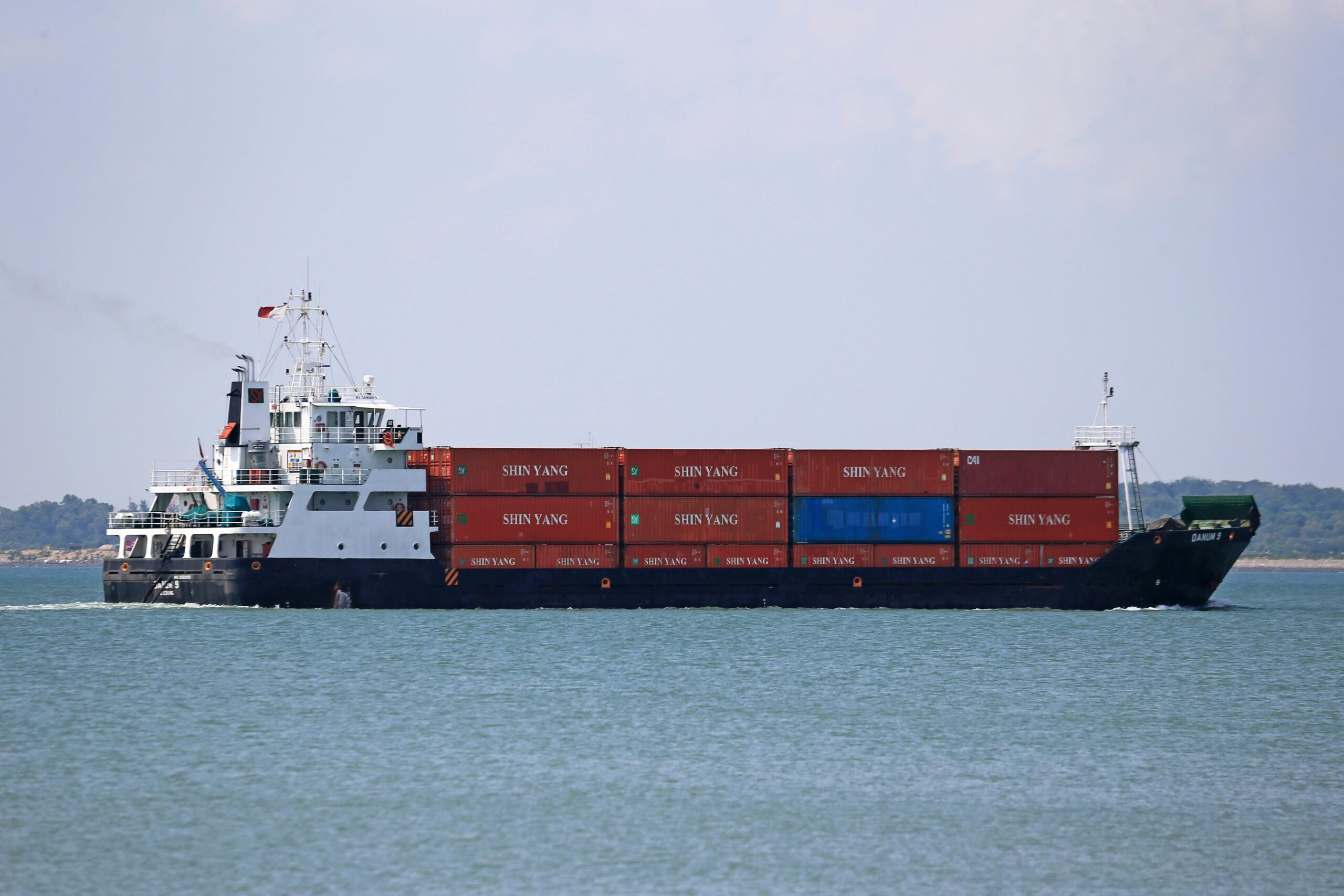
Once basics are covered, build a strong logistics service framework. Step one: select the right transportation mode—road, rail, air, or sea—based on cargo type, distance, and urgency. For international shipments, maritime options like the versatile Shin Yang Cargo Vessel shine. This robust ship, with its vibrant red containers and streamlined deck, offers optimized space for diverse cargo, ensuring secure transport across global routes. Integrate technology next: use GPS tracking and automated routing software to monitor shipments. Step three: train your team on best practices, such as proper packaging to withstand voyages. A well-executed logistics service not only cuts costs by up to 20% but also boosts customer satisfaction through punctual deliveries. Regularly audit your processes to refine efficiency.
Optimizing Transportation Logistics for Global Reach
Transportation logistics takes your operations to the next level by focusing on multimodal integration. Begin with route optimization: analyze traffic patterns and weather impacts using data analytics. For sea freight, leverage vessels like the Shin Yang Cargo Vessel, equipped with powerful engines and advanced navigation systems for reliable international trade. Step two: negotiate contracts with carriers to secure competitive rates without compromising quality. Incorporate sustainability by choosing fuel-efficient options, reducing your carbon footprint. Finally, prepare for contingencies—develop backup plans for disruptions like port delays. By streamlining transportation logistics, businesses can handle demanding volumes effortlessly, fostering growth in competitive markets.
Leveraging Advanced Tools and Partnerships
To elevate your logistics game, adopt cutting-edge tools and forge strategic partnerships. Invest in AI-driven forecasting to predict demand and adjust logistics service accordingly. Collaborate with providers offering end-to-end solutions, from loading containers on a sturdy hull like the Shin Yang's to final-mile delivery. Monitor key performance indicators (KPIs) such as on-time delivery rates and cost per shipment. Step four: scale sustainably by expanding to new routes, ensuring your transportation logistics adapts to evolving needs. This approach not only enhances reliability but also positions your business as a leader in efficient global trade.
Measuring Success and Continuous Improvement
Finally, measure and iterate on your logistics efforts. Track metrics like delivery accuracy and inventory turnover quarterly. Gather feedback from stakeholders to identify bottlenecks in transportation logistics. Adjust your logistics service based on insights, perhaps by upgrading to vessels with high-capacity designs for heavier loads. Continuous improvement ensures long-term resilience, turning potential challenges into opportunities for innovation. With these steps, mastering logistics becomes a straightforward path to operational excellence.





