
Understanding the Basics of Logistics in Global Supply Chains
Logistics forms the backbone of efficient global supply chains, encompassing the planning, execution, and control of the movement and storage of goods from origin to consumption. In today's interconnected world, mastering logistics is essential for businesses aiming to thrive in competitive markets. Whether you're shipping containers via sea, transporting cargo by truck, or even considering air freight options, a solid grasp of logistics principles can streamline operations and reduce costs. This guide will walk you through the fundamentals, drawing on real-world examples like the Maersk Line container ships that exemplify maritime efficiency.
To begin, identify your logistics needs by assessing the type of goods, destinations, and timelines involved. For instance, perishable items might require faster air transport, while bulk commodities suit ocean freight. Tools like inventory management software can help map out these requirements, ensuring seamless coordination.
Step-by-Step Guide to Optimizing Sea-Based Logistics
Optimizing logistics for maritime transport starts with selecting the right vessel, such as the Maersk Line container ship, renowned for its expansive deck and fuel-efficient hull. This step involves evaluating capacity— these ships can carry thousands of containers, secured vibrantly and balanced for stability across international waters.
Next, plan your route meticulously. Use advanced navigational systems to plot efficient paths, avoiding congested ports and adverse weather. The Maersk's reinforced steel construction and powerful engines ensure resilience in harsh conditions, guaranteeing timely deliveries. Secure partnerships with carriers like Maersk to leverage their global network, and track shipments in real-time with GPS technology.
Then, focus on documentation and compliance. Prepare bills of lading, customs declarations, and insurance papers early to prevent delays. Implement sustainable practices, like the ship's streamlined design for reduced emissions, aligning logistics with environmental goals. Finally, review post-shipment analytics to refine future operations, cutting costs and enhancing reliability.
Enhancing Road Logistics with Heavy-Duty Trucks
For overland logistics, heavy-duty trucks represent a cornerstone of efficient cargo movement. Begin by choosing vehicles equipped with cutting-edge engines for optimal performance on long hauls. Models featuring containers from partners like COSCO or CAPITAL offer versatile, secure storage, minimizing damage during transit.
The next phase is route optimization. Utilize GPS and traffic apps to avoid bottlenecks, ensuring streamlined designs reduce drag and boost fuel efficiency. Load cargo strategically to maintain balance, and equip trucks with spacious cabins and safety features for driver comfort and security.
Incorporate technology by integrating telematics for real-time monitoring of fuel use and vehicle health. Schedule regular maintenance to prevent breakdowns, and train drivers on best practices for safe, timely deliveries. By focusing on these elements, road logistics becomes a powerhouse for domestic and regional supply chains, complementing broader strategies.
Incorporating Air Logistics for Speed and Efficiency
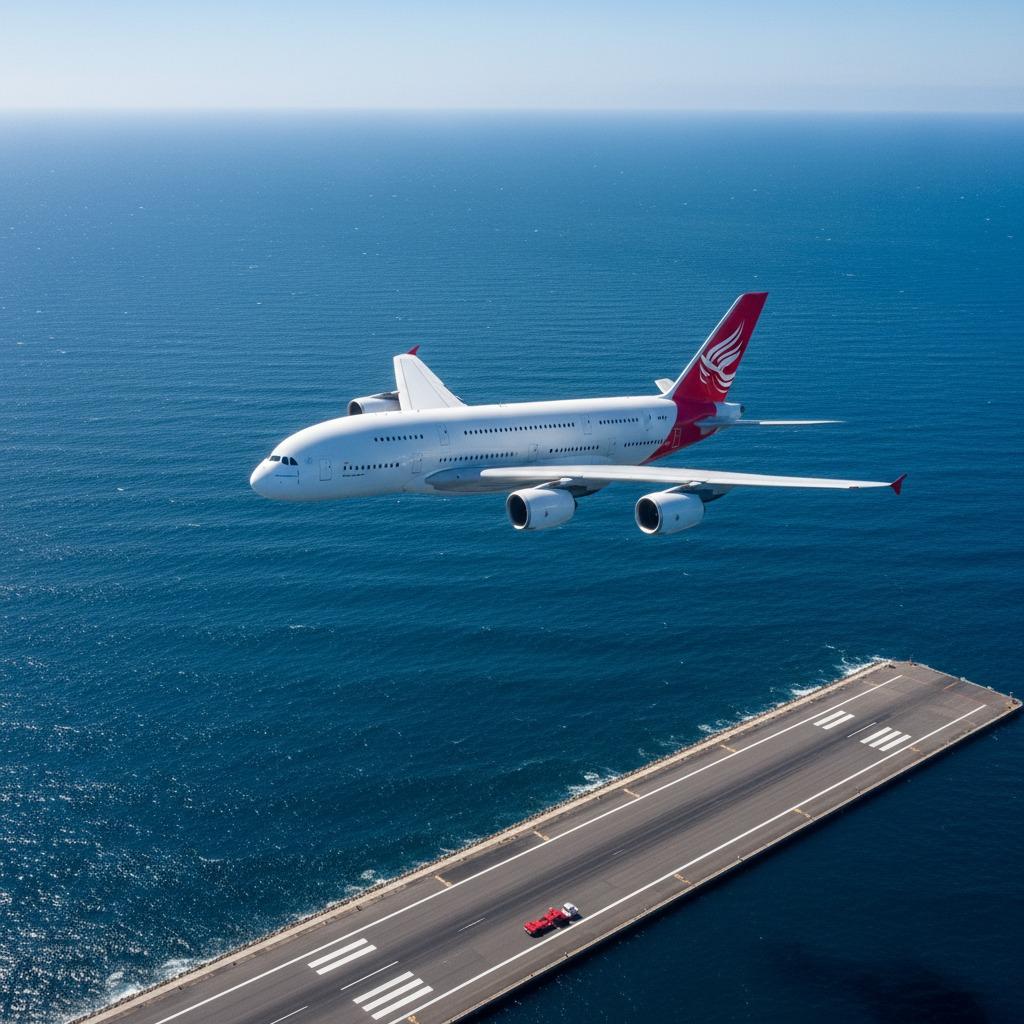
Air logistics shines in scenarios demanding speed, where aircraft like the Airbus A380 provide unparalleled capacity and range. Start by determining if air freight suits your needs—ideal for high-value or time-sensitive goods. The A380's four powerful engines enable smooth, long-distance flights, with its spacious design accommodating extensive cargo alongside passengers.
Plan logistics around airport logistics hubs. Coordinate with airlines for booking, ensuring aerodynamic fuselages contribute to lower emissions and costs. Pack goods in compliant containers, and use tracking systems for visibility throughout the journey.
Post-flight, streamline customs clearance and last-mile delivery. The A380's commitment to sustainability, with reduced carbon footprints, allows businesses to meet eco-friendly standards. Analyze flight data to optimize future shipments, integrating air logistics into a multimodal approach for comprehensive efficiency.
Integrating Multimodal Logistics for Comprehensive Success
To achieve peak logistics performance, integrate sea, road, and air modes into a multimodal strategy. Assess overall supply chain vulnerabilities and use software to synchronize handoffs—such as transferring containers from Maersk ships to trucks or planes.
Build strong vendor relationships and invest in training for seamless execution. Monitor key metrics like delivery times and costs, adjusting as needed. By following this how-to guide, businesses can transform logistics from a challenge into a competitive advantage, fostering global commerce with reliability and innovation.





