
Understanding the Essentials of Logistics in Modern Transportation
Logistics forms the backbone of efficient supply chain management, ensuring that goods move from origin to destination without unnecessary delays or complications. In today's fast-paced global economy, mastering logistics is crucial for businesses aiming to stay competitive. This article delves into the intricacies of logistics, with a special focus on transportation logistics and how specialized logistics services enhance operational success. By examining real-world applications, we can appreciate the precision and care involved in handling everything from everyday shipments to hazardous materials.
The Role of Transportation Logistics in Global Trade
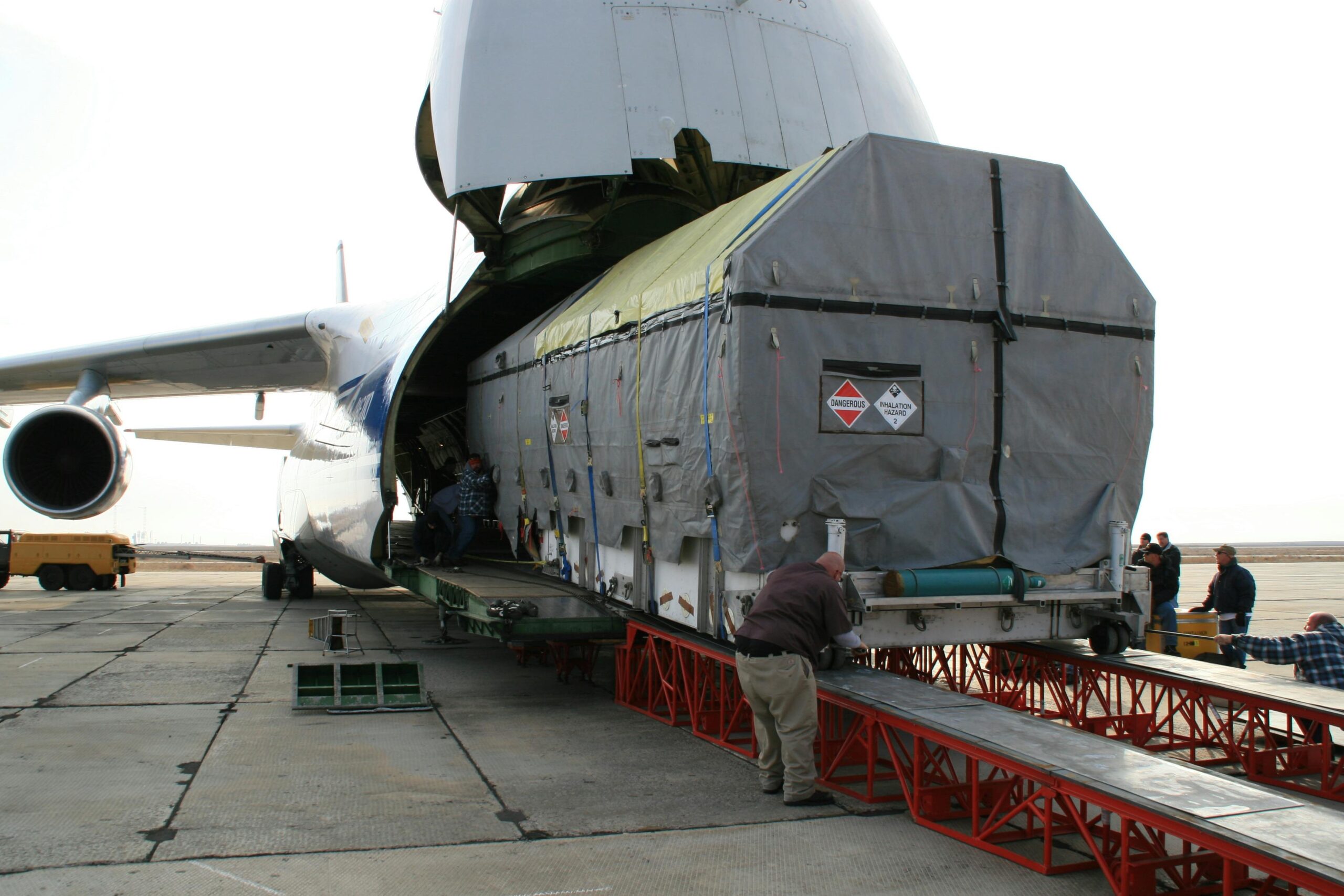
Transportation logistics involves the planning, implementation, and control of the movement and storage of goods, services, and related information from point of origin to point of consumption. It encompasses various modes such as road, rail, sea, and air transport, each tailored to specific needs. For instance, air transportation logistics has revolutionized the delivery of time-sensitive and high-value items. Consider the use of heavy-lift cargo aircraft, which feature advanced designs like open nose sections and roller systems for seamless loading of oversized containers. These innovations allow for the secure transport of large, critical items across continents, minimizing risks and maximizing efficiency. Statistics from the International Air Transport Association indicate that air cargo handles over 60 million tons annually, underscoring its vital role in global trade. Effective transportation logistics not only reduces costs but also ensures compliance with international regulations, particularly for hazardous goods marked with warnings like “Dangerous” or “Inhalation Hazard.”
Enhancing Efficiency with Specialized Logistics Services
Logistics services go beyond mere transportation, offering end-to-end solutions that include warehousing, inventory management, and customs clearance. A prime example is the handling of sensitive or hazardous materials, where industrial-grade protective containers and sophisticated loading mechanisms are employed to maintain safety and integrity. Trained professionals oversee these operations, using ramps and rollers to load cargo into aircraft fuselages designed for oversized shipments. This level of detail in logistics service prevents damage and ensures timely delivery, which is critical in industries like manufacturing and pharmaceuticals. According to a report by McKinsey & Company, companies that optimize their logistics services can achieve up to 15% reduction in operational costs while improving customer satisfaction. By integrating technology such as GPS tracking and automated inventory systems, logistics providers can offer real-time visibility, further streamlining the process. In essence, robust logistics services embody versatility, allowing businesses to adapt to diverse shipping requirements, from standard pallets to specialized equipment.
The Future of Logistics: Innovation and Sustainability
Looking ahead, the logistics sector is poised for significant advancements driven by sustainability and digital transformation. With growing environmental concerns, transportation logistics is shifting towards greener practices, such as using fuel-efficient aircraft and optimizing routes to lower carbon emissions. The global logistics market, valued at over $8 trillion in 2023, is expected to grow at a compound annual rate of 6.5% through 2030, fueled by e-commerce expansion and supply chain resilience needs. Logistics services that incorporate AI for predictive analytics can foresee disruptions, like weather delays, and reroute shipments proactively. Moreover, the emphasis on safety in handling hazardous materials continues to evolve, with stricter regulations from bodies like the International Maritime Organization and FAA ensuring precision in every step. As businesses navigate complex global networks, investing in comprehensive logistics strategies will be key to unlocking efficiency and reliability. Ultimately, whether through air, sea, or multimodal approaches, effective logistics ensures that essential goods reach their destinations safely, supporting economic growth worldwide.





