
Understanding the Essentials of Logistics
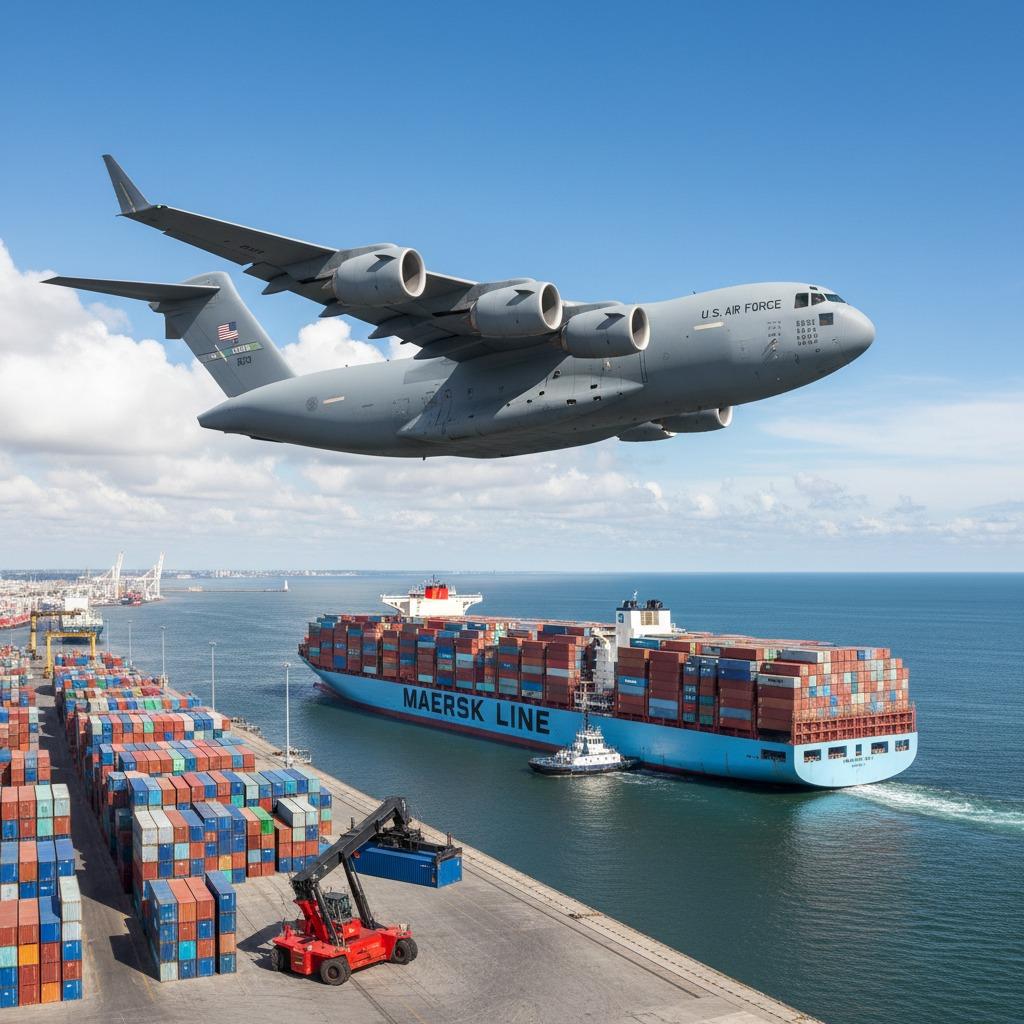
Logistics forms the backbone of global commerce, encompassing the intricate processes involved in planning, executing, and controlling the efficient movement and storage of goods, services, and related information from origin to consumption. In today's interconnected world, effective logistics ensures that products reach their destinations promptly and intact, driving economic growth and customer satisfaction. This article explores the multifaceted nature of logistics, drawing on real-world examples from innovative solutions to illustrate its critical role.
Key Components of Modern Logistics
At its core, logistics involves several interconnected elements, including transportation, warehousing, inventory management, and order fulfillment. Transportation, for instance, relies on diverse modes such as air, sea, and land to move cargo across vast distances. Consider military airlift platforms, which exemplify heavy-duty logistics with their oversized fuselages and four-engine configurations designed for strategic reach and payload capacity. These aircraft handle everything from humanitarian aid to equipment resupply, showcasing how logistics adapts to demanding conditions while maintaining stability and efficiency.
Warehousing and storage are equally vital, where advanced facilities ensure goods are protected and readily accessible. Industrial-grade cargo solutions, like those from Maersk, highlight this through durable containers built with premium materials for weather resistance and secure locking mechanisms. These containers facilitate seamless handling in high-capacity ports, using cranes and automated machinery to optimize loading and unloading, thereby reducing delays and enhancing traceability in the supply chain.
Innovations Driving Logistics Forward
Technological advancements are revolutionizing logistics, making it more sustainable and efficient. Maritime engineering marvels, such as the Maersk Mc-Kinney Møller, demonstrate this evolution. This vessel boasts massive capacity for thousands of shipping containers, incorporating energy-efficient propulsion systems to cut carbon emissions and support global trade sustainability. Its robust construction and sophisticated navigation ensure safe, precise operations across continents, minimizing environmental impact while maximizing economic benefits.
Logistics also extends to integrated networks that connect suppliers, manufacturers, and distributors. For example, the sleek design of modern cargo platforms allows flexibility for various load types, from palletized goods to vehicles, enabling rapid deployment in diverse scenarios. Statistics from the industry reveal that efficient logistics can reduce global supply chain costs by up to 15%, with innovations like automated tracking systems providing real-time insights to prevent disruptions.
The Global Impact and Future of Logistics
On a broader scale, logistics influences international relations and economic stability. It powers trade by facilitating the flow of goods that sustain industries worldwide, from electronics to perishables. The emphasis on sustainability in logistics, as seen in vessels prioritizing fuel-saving features, aligns with global goals to lower emissions—projected to account for 10-15% of worldwide transport-related CO2 by 2050 if unchecked.
Looking ahead, the future of logistics lies in digital integration and green technologies. AI-driven forecasting, blockchain for secure transactions, and electric fleets are set to transform operations, making them faster and more resilient. By embracing these trends, businesses can achieve not just compliance but leadership in a competitive landscape. Ultimately, mastering logistics means harnessing its potential to connect the world more effectively, ensuring reliability and innovation at every step.





