
Understanding the Fundamentals of Logistics
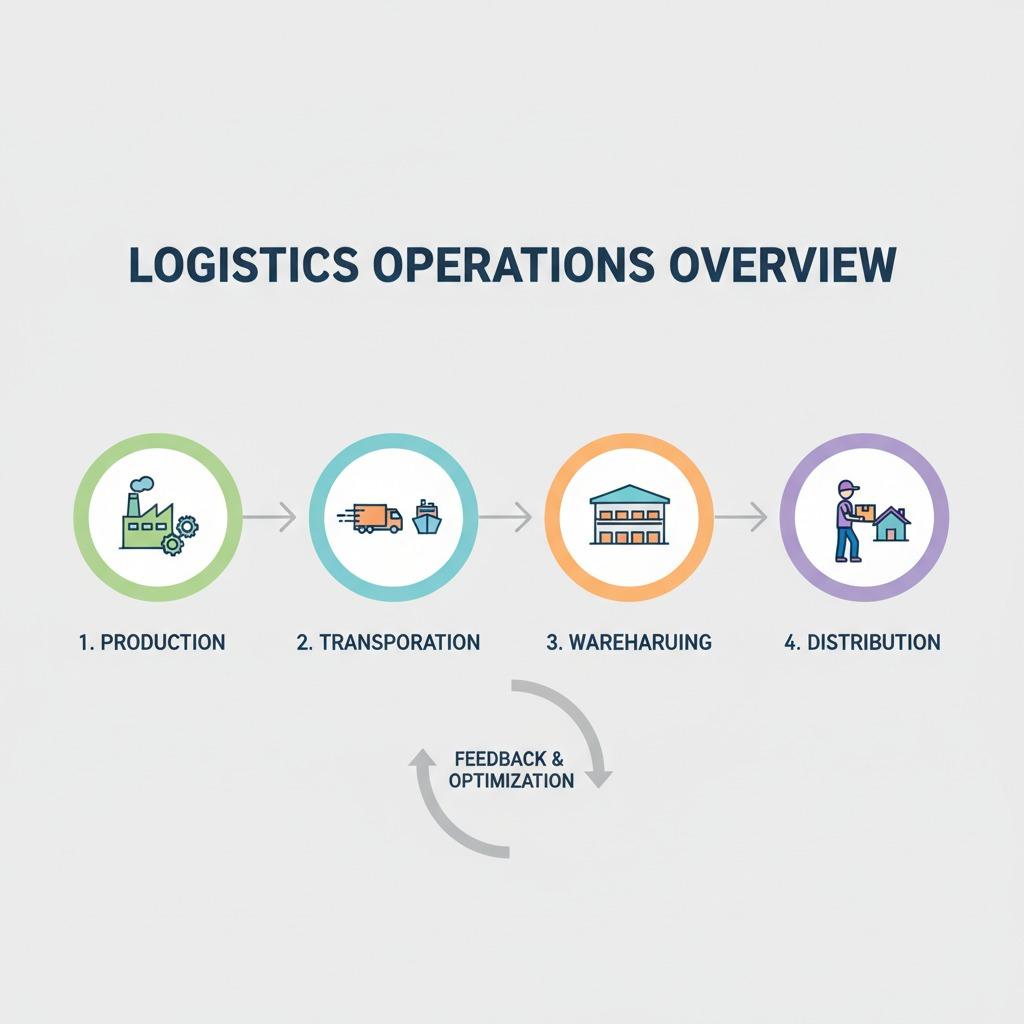
Logistics forms the backbone of modern global commerce, ensuring that goods move efficiently from production to consumption. At its core, logistics involves planning, implementing, and controlling the flow of resources, including raw materials, inventory, and finished products. This intricate process encompasses transportation, warehousing, inventory management, and order fulfillment, all aimed at minimizing costs while maximizing customer satisfaction. In today's fast-paced economy, effective logistics is crucial for businesses to remain competitive, handling everything from small parcels to massive cargo shipments across continents.
Key Components of Logistics Operations
A vital aspect of logistics is its integration of various transportation modes, such as air, sea, road, and rail. For instance, high-capacity shipping ports serve as central hubs where advanced crane systems and smart technologies facilitate the rapid handling of thousands of containers. These ports, strategically located along coastal regions, leverage real-time tracking and AI-driven optimizations to streamline operations and ensure the security of goods. Similarly, maritime vessels like specialized tugboats enhance port efficiency by providing precise maneuvering and towing capabilities in busy harbors. Such infrastructure not only supports high-volume cargo capacity but also incorporates environmentally friendly practices, including renewable energy and waste reduction, to promote sustainability in global trade.
The Role of Technology in Modern Logistics
Technology has revolutionized logistics, introducing innovations that boost accuracy and speed. Advanced navigation systems in aircraft and vessels enable seamless global connectivity, allowing for real-time monitoring and predictive analytics to foresee potential disruptions. Dual-engine configurations in modern aircraft optimize fuel efficiency and stability, making long-haul flights more reliable even in adverse weather. In ports and on tugboats, GPS-integrated radar and automated quality checks minimize errors, ensuring that logistics processes align with international standards. These technological advancements reduce environmental footprints through energy-efficient designs, making logistics not just faster but also more eco-conscious.
Challenges and Future Trends in Logistics
Despite its advancements, logistics faces challenges like supply chain disruptions, regulatory compliance, and the need for scalable infrastructure. High-powered tugboats, for example, must navigate narrow waterways while adhering to safety protocols, highlighting the importance of robust engineering and crew training. Looking ahead, the future of logistics lies in further automation, such as drone deliveries and blockchain for transparent tracking, which promise to enhance efficiency. Ports are evolving into comprehensive hubs offering maintenance, refueling, and warehousing services, supporting vessels of all sizes. By addressing these challenges, logistics will continue to drive economic growth, fostering global connectivity and innovation.
Optimizing Logistics for Business Success
For businesses, mastering logistics means adopting a holistic approach that balances cost, speed, and reliability. Whether through the sleek aerodynamics of cargo aircraft under twilight skies or the bustling activity of eco-friendly ports, effective logistics redefines trade operations. Companies can leverage these elements to minimize delays, reduce overheads, and improve customer experiences. As logistics evolves, its emphasis on precision, progress, and sustainability positions it as a cornerstone of human ingenuity, ensuring that commerce thrives in an interconnected world.





