
Understanding the Essentials of Logistics
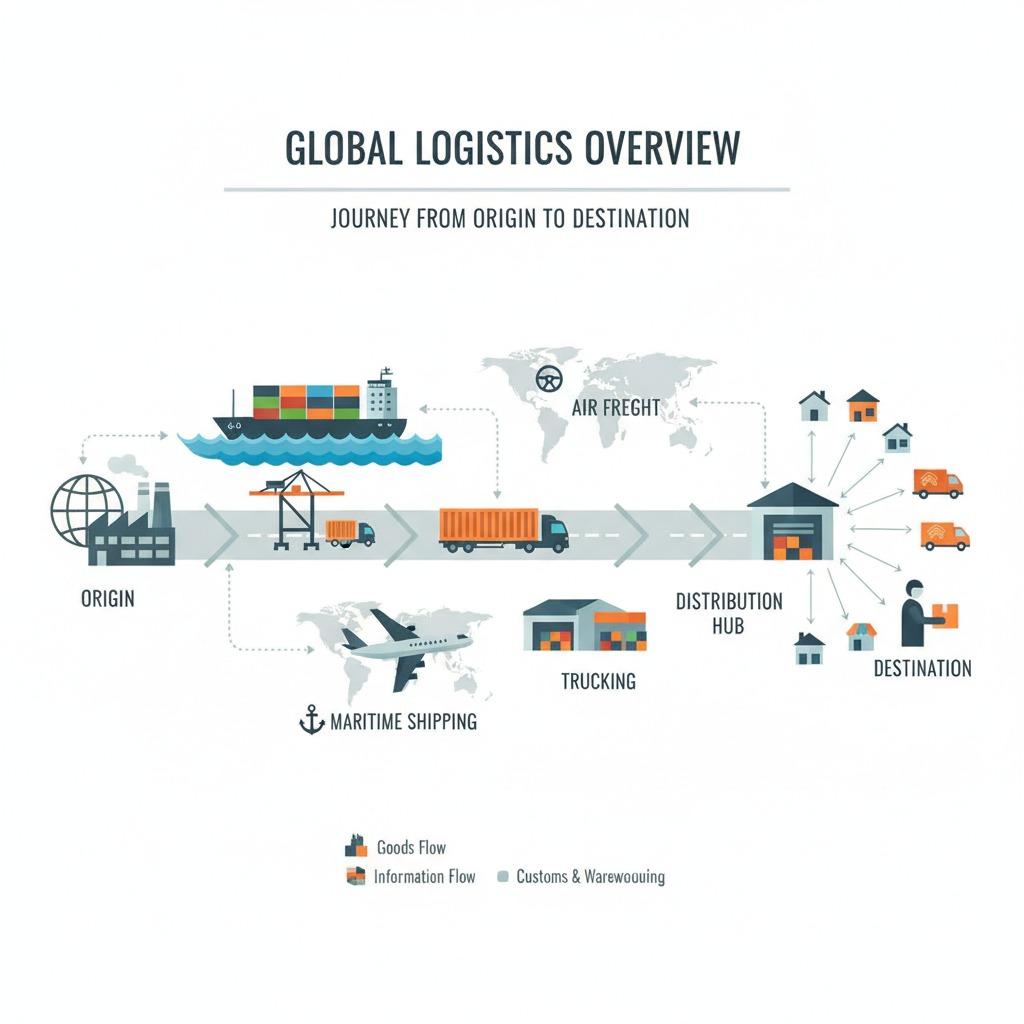
Logistics forms the backbone of efficient supply chain management, ensuring goods move seamlessly from origin to destination. In today's global economy, mastering logistics is crucial for businesses aiming to reduce costs and improve delivery times. This guide explores the fundamentals of logistics, focusing on key transportation modes like maritime shipping, air freight, trucking, and cargo vessels. By following these steps, you can optimize your operations for reliability and speed.
Step 1: Assessing Your Logistics Needs
Begin by evaluating the type of goods you're handling and their urgency. For bulk items like raw materials or consumer products, maritime shipping stands out as a cost-effective option. Container ships, with their multi-tiered storage, can transport large volumes across oceans efficiently. Consider factors such as distance, weight, and timelines—air freight excels for time-sensitive consignments, offering direct routes to major cities worldwide. A heavy-duty truck becomes essential for ground transport, especially when integrating with ports or airports. Its powerful engine and advanced container loading system ensure safe handling on various terrains. Similarly, a cargo vessel equipped with dual cranes provides versatility for oversized loads, enhancing port operations.
Step 2: Choosing the Right Transportation Modes
Select modes that align with your requirements. Integrate maritime cargo solutions for long-haul reliability; these vessels feature durable engineering to withstand harsh conditions, minimizing delays. For urgent deliveries, leverage air freight services, which prioritize speed through lightweight designs and fuel-efficient technology. On land, deploy heavy-duty trucks with eco-friendly performance to meet emission standards while maintaining high torque for heavy containers from brands like Maersk. Cargo vessels add precision with onboard cranes for quick loading, supporting global shipping demands. Combine these—use ships for ocean crossing, trucks for inland distribution, and planes for final rushes—to create a hybrid logistics strategy that balances cost and efficiency.
Step 3: Implementing Advanced Logistics Systems
Incorporate technology to streamline processes. Start with robust navigation tools on cargo vessels and ships to track real-time progress and avoid bottlenecks. For trucks, ergonomic cabins and intuitive controls reduce driver fatigue, ensuring smoother operations. Air freight benefits from direct routing software to optimize payloads and timelines. Secure container locking systems across all modes prevent damage during transit. Train your team on sustainable practices, like reducing carbon footprints through efficient routing, to align with global standards. Regularly audit your logistics setup: monitor turnaround times for maritime routes, fuel consumption in trucks, and delivery speeds via air to identify improvements.
Step 4: Overcoming Common Logistics Challenges
Anticipate hurdles like weather disruptions or regulatory compliance. For maritime and cargo vessel operations, advanced safety features on cranes and hulls mitigate risks in challenging environments. Air freight's flexibility shines in bypassing ground delays, while trucks' suspension systems handle rough roads. Build contingency plans, such as multi-modal backups—switch from ship to truck if ports congest. Partner with reliable providers offering versatile services to ensure seamless transitions. By focusing on driver-centric designs and high-grade materials, you enhance overall reliability, turning potential issues into opportunities for efficiency.
Step 5: Measuring and Optimizing Logistics Performance
Track key metrics like delivery accuracy, cost per shipment, and on-time rates. Use data from integrated systems across air, sea, and land transport to refine routes. For instance, analyze container ship capacities against actual usage to maximize storage. In air freight, monitor payload efficiency for better resource allocation. Trucks and vessels should undergo routine maintenance to sustain performance. Aim for continuous improvement: adopt eco-friendly upgrades to lower emissions and costs. With a well-orchestrated logistics approach, businesses achieve unparalleled adaptability, ensuring goods reach markets promptly and profitably. This comprehensive guide equips you to build a resilient logistics framework tailored to modern demands.





