
Mastering Logistics: A Step-by-Step Guide to Optimizing Your Supply Chain
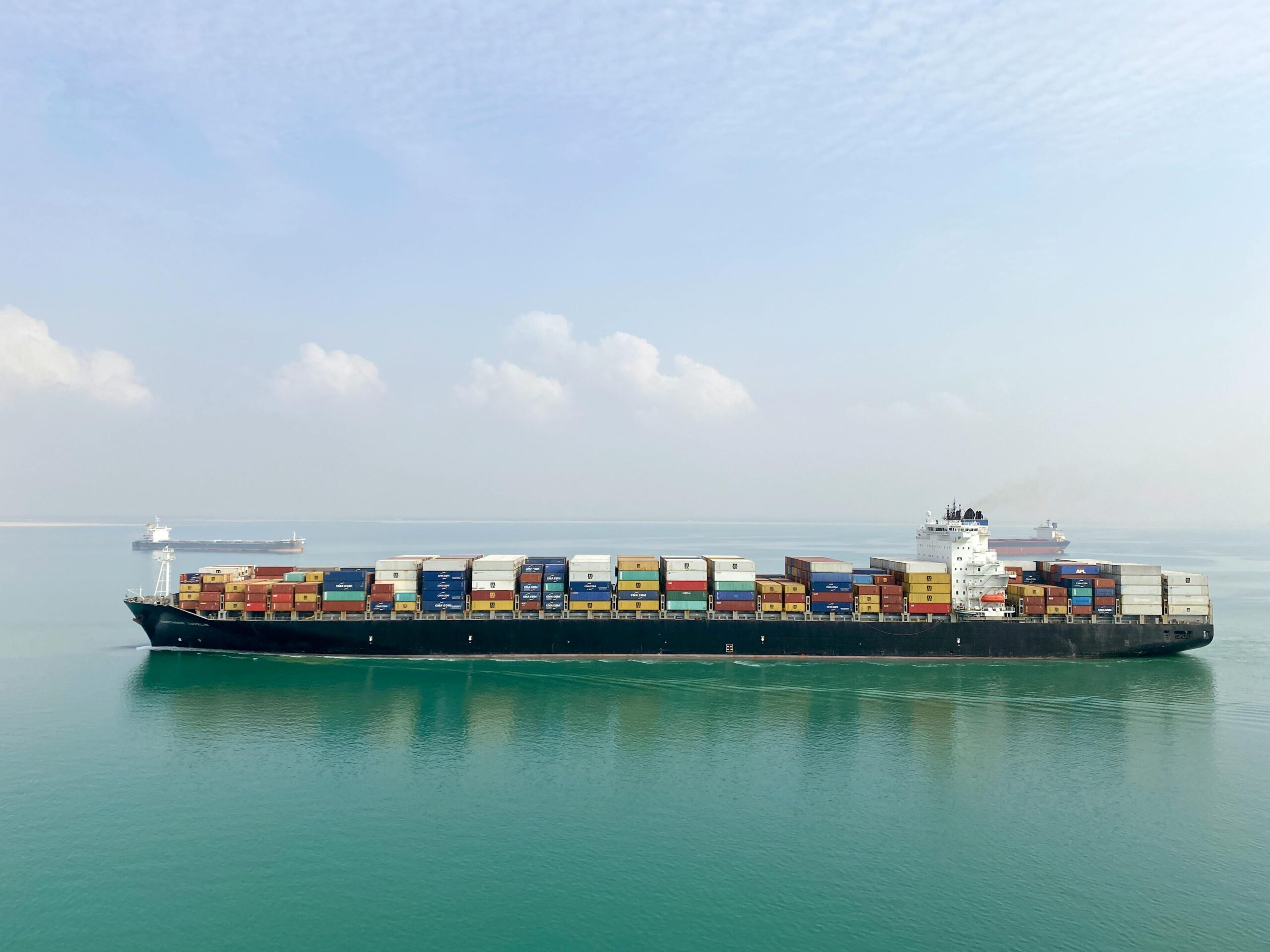
In today's fast-paced global economy, effective logistics forms the backbone of successful business operations. Whether you're managing inventory for e-commerce or coordinating international shipments, understanding logistics is essential for streamlining processes and reducing costs. This guide will walk you through practical steps to enhance your logistics service, ensuring reliable transportation logistics that keep your business moving forward.
Assessing Your Current Logistics Setup
The first step in improving your logistics is to conduct a thorough assessment of your existing operations. Begin by mapping out your entire supply chain, from sourcing materials to final delivery. Identify bottlenecks, such as delays in transportation logistics or inefficiencies in your logistics service providers. Gather data on costs, timelines, and error rates over the past six months to pinpoint areas needing attention. For instance, if international shipments are frequently delayed, evaluate whether your current partners align with the demands of global trade. Tools like supply chain management software can help visualize these workflows, providing insights into where optimizations can be made. By starting with this evaluation, you lay the foundation for targeted improvements that enhance overall efficiency.
Selecting the Right Logistics Partners and Technology
Once you've assessed your needs, the next phase involves choosing reliable logistics service providers and integrating advanced technology. Research companies specializing in transportation logistics, focusing on those with proven track records in handling diverse cargo types, such as the innovative cargo vessels revolutionizing maritime shipping. Look for partners offering real-time tracking, customizable routes, and eco-friendly options to align with sustainability goals. Implement technologies like AI-driven route optimization and IoT sensors for monitoring shipments in transit. For example, partnering with a logistics service that utilizes cutting-edge container ships can significantly reduce transit times for ocean freight. Negotiate contracts that include performance metrics, such as on-time delivery rates above 95%, to ensure accountability. This step not only boosts reliability but also scales your operations to meet growing demands.
Implementing Streamlined Processes and Training
With partners and tech in place, focus on implementation by developing streamlined processes tailored to your business. Create standard operating procedures (SOPs) for key activities, including inventory management, order fulfillment, and returns handling within your logistics framework. Train your team on these processes, emphasizing the importance of accurate documentation and communication to avoid errors in transportation logistics. Conduct regular simulations or workshops to prepare staff for scenarios like supply disruptions. Additionally, integrate sustainability practices, such as using fuel-efficient vessels for logistics service, to minimize environmental impact while cutting costs. Monitor progress with key performance indicators (KPIs) like delivery accuracy and cost per shipment, adjusting as needed. This hands-on approach ensures your logistics operations run smoothly and adapt to challenges.
Monitoring, Analyzing, and Continuously Improving Logistics
The final step is establishing a system for ongoing monitoring and analysis to refine your logistics continuously. Use analytics dashboards to track metrics in real-time, identifying trends in your logistics service performance. Schedule quarterly reviews to analyze data and gather feedback from stakeholders involved in transportation logistics. If issues arise, such as increased delays due to port congestions, pivot quickly by diversifying routes or providers. Embrace innovations like automated warehousing or blockchain for transparent tracking, which can further elevate your operations. By fostering a culture of continuous improvement, your business will not only achieve cost savings—potentially up to 20%—but also enhance customer satisfaction through dependable service. Mastering these steps transforms logistics from a cost center into a strategic advantage, propelling your company toward long-term success in the competitive global market.
In conclusion, optimizing logistics requires a methodical approach, from assessment to implementation and beyond. By focusing on robust transportation logistics and superior logistics service, businesses can navigate the complexities of supply chains with confidence, ensuring seamless connectivity and growth.





