
Mastering Logistics: A Step-by-Step Guide to Optimizing Your Supply Chain
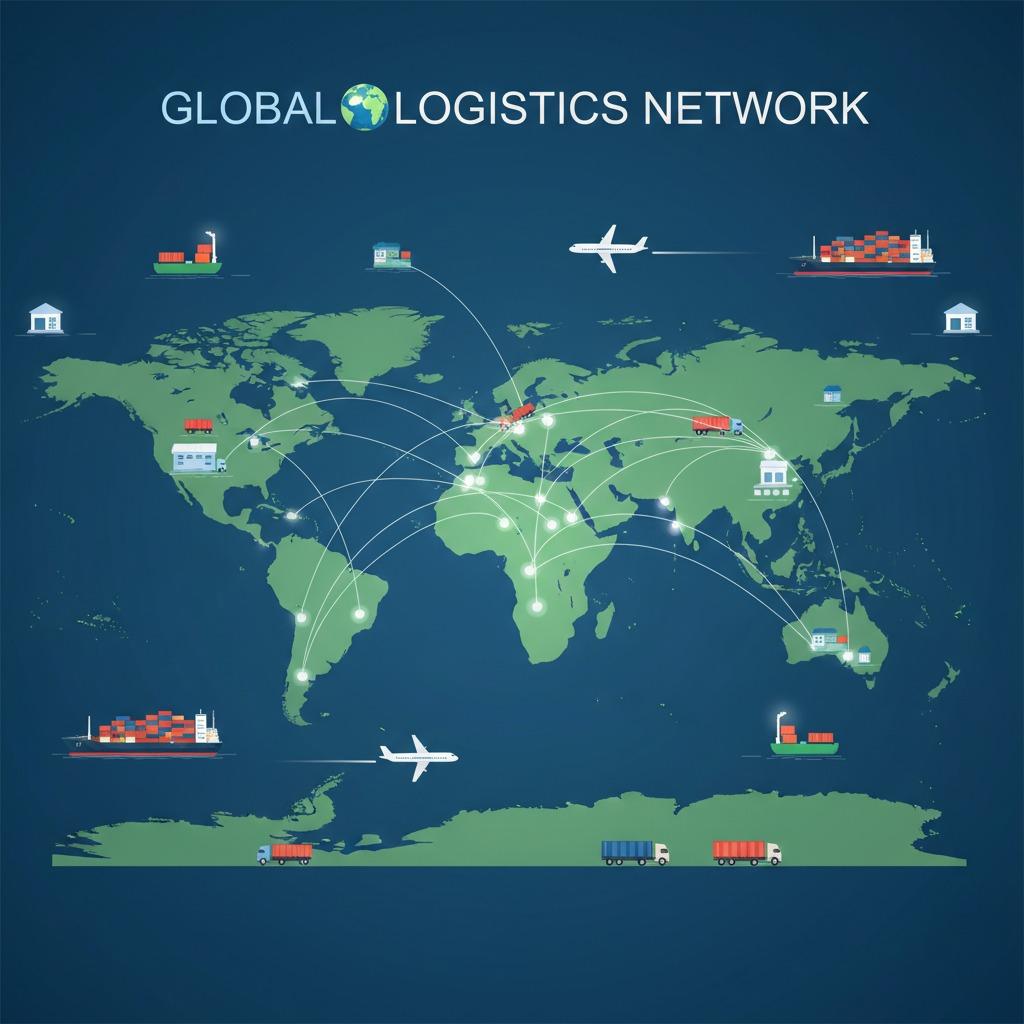
In today's fast-paced global economy, effective logistics is the backbone of successful businesses. Whether you're managing international trade or local deliveries, understanding logistics ensures seamless operations. This guide provides a step-by-step approach to implementing a robust logistics strategy, drawing on innovative integrated transportation systems that blend sea, air, and land transport for maximum efficiency.
Step 1: Assess Your Logistics Needs and Choose the Right Mode of Transport
Begin by evaluating your cargo type, volume, and urgency. For bulk goods requiring cost-effective, high-volume transport, maritime options like our state-of-the-art cargo ships are ideal. These vessels feature streamlined hulls in vibrant blue, equipped with powerful yellow hydraulic cranes for efficient loading and unloading at ports with limited infrastructure. They handle everything from industrial materials to specialized equipment, with eco-friendly engines that reduce emissions while maintaining reliability.
For time-sensitive or high-value items, integrate air logistics. Our agile cargo aircraft complement sea transport by enabling swift transfers from oceanic points to aerial distributions, cutting transit times and expanding trade networks. This hybrid approach merges the robustness of maritime reliability with the speed of air shipments, creating a groundbreaking system that optimizes global routes.
Consider land transport for the final leg. A highly reliable container truck system, with its powerful red tractor unit and blue standardized container, excels in long-haul and intermodal operations. Its aerodynamic design and reinforced chassis ensure stability on challenging terrains, reducing fuel consumption and promoting sustainability. Assess these elements to select modes that align with your needs, ensuring logistics flows without bottlenecks.
Step 2: Design an Integrated Logistics Network
Once you've chosen transport modes, build an interconnected network. Start with sea logistics as the foundation for bulk shipments. Our container cargo ships, stacked with standardized containers, provide enduring maritime precision for global trade. Position them strategically along key routes to minimize delays.
Next, incorporate air elements for urgency. The seamless interplay between marine and air ensures goods move quickly from ships to planes, ideal for industries demanding progress. Use tracking software to monitor transfers, reducing risks and enhancing visibility across the supply chain.
Finally, deploy container trucks for port-to-inland movement. With compatibility for Maersk-style containers, these trucks facilitate smooth handoffs from ships to warehouses or retailers. Focus on intermodal hubs where sea, air, and land converge, optimizing routes with data analytics to predict and avoid disruptions. This integrated setup not only speeds up delivery but also scales with your business growth.
Step 3: Implement Technology and Best Practices for Efficient Logistics
Technology is key to modern logistics. Equip your operations with advanced navigation systems, as seen in our cargo ships' ergonomic bridges with high-visibility controls and communication tools for safe maritime travel. For trucks, integrate GPS and IoT sensors to track real-time location and condition of goods, preventing losses.
Adopt eco-friendly practices to meet sustainability goals. Choose vessels with energy-efficient engines and trucks designed for lower fuel use, aligning with global standards. Train your team on logistics protocols, from crane operations on ships to secure loading on aircraft and trucks.
Regularly audit your logistics processes. Analyze transit times, costs, and error rates to refine your strategy. For instance, simulate hybrid scenarios where sea logistics handles initial bulk transport, air speeds up critical segments, and trucks ensure last-mile precision. By following these steps, you'll transform logistics into a competitive advantage, driving efficiency and customer satisfaction in the global marketplace.
Step 4: Monitor, Optimize, and Scale Your Logistics Operations
Ongoing monitoring is essential for peak performance in logistics. Use dashboards to oversee the entire chain, from ship departures to truck arrivals. Identify inefficiencies, such as delays in air transfers, and adjust routes accordingly.
Scale by expanding your hybrid model. As demand grows, add more container trucks for inland efficiency or upgrade to larger cargo ships with enhanced crane capabilities. Partner with reliable providers to ensure consistency, leveraging the artistry of logistical precision in every operation.
Ultimately, a well-executed logistics strategy fosters resilience against disruptions like weather or supply shortages. By mastering these steps, businesses can achieve faster, greener, and more reliable transport, positioning themselves at the forefront of modern commerce.





