
Understanding Logistics in Modern Supply Chains
The backbone of global trade, logistics encompasses the planning, execution, and control of the movement and storage of goods, services, and information from origin to consumption. In today's fast-paced economy, effective logistics ensures that products reach their destinations efficiently and on time, minimizing costs and maximizing customer satisfaction. With the rise of e-commerce and international trade, logistics has evolved into a sophisticated network that integrates technology and human expertise to handle complex supply chains.
The Role of Air Freight Logistics in Global Operations
Air freight logistics represents a critical segment of the logistics industry, offering speed and reliability for time-sensitive shipments. Unlike traditional sea or road transport, air freight logistics allows businesses to transport high-value or perishable goods across continents in a matter of hours. This method is particularly vital for industries such as pharmaceuticals, electronics, and fashion, where delays can result in significant financial losses. According to industry reports, air freight accounts for about 35% of global trade value despite handling only 0.5% of the volume, highlighting its efficiency for premium cargo. Companies specializing in air freight logistics employ advanced tracking systems and optimized routing to ensure seamless delivery, reducing transit times and enhancing supply chain visibility.
Enhancing Logistics Service with Innovative Equipment
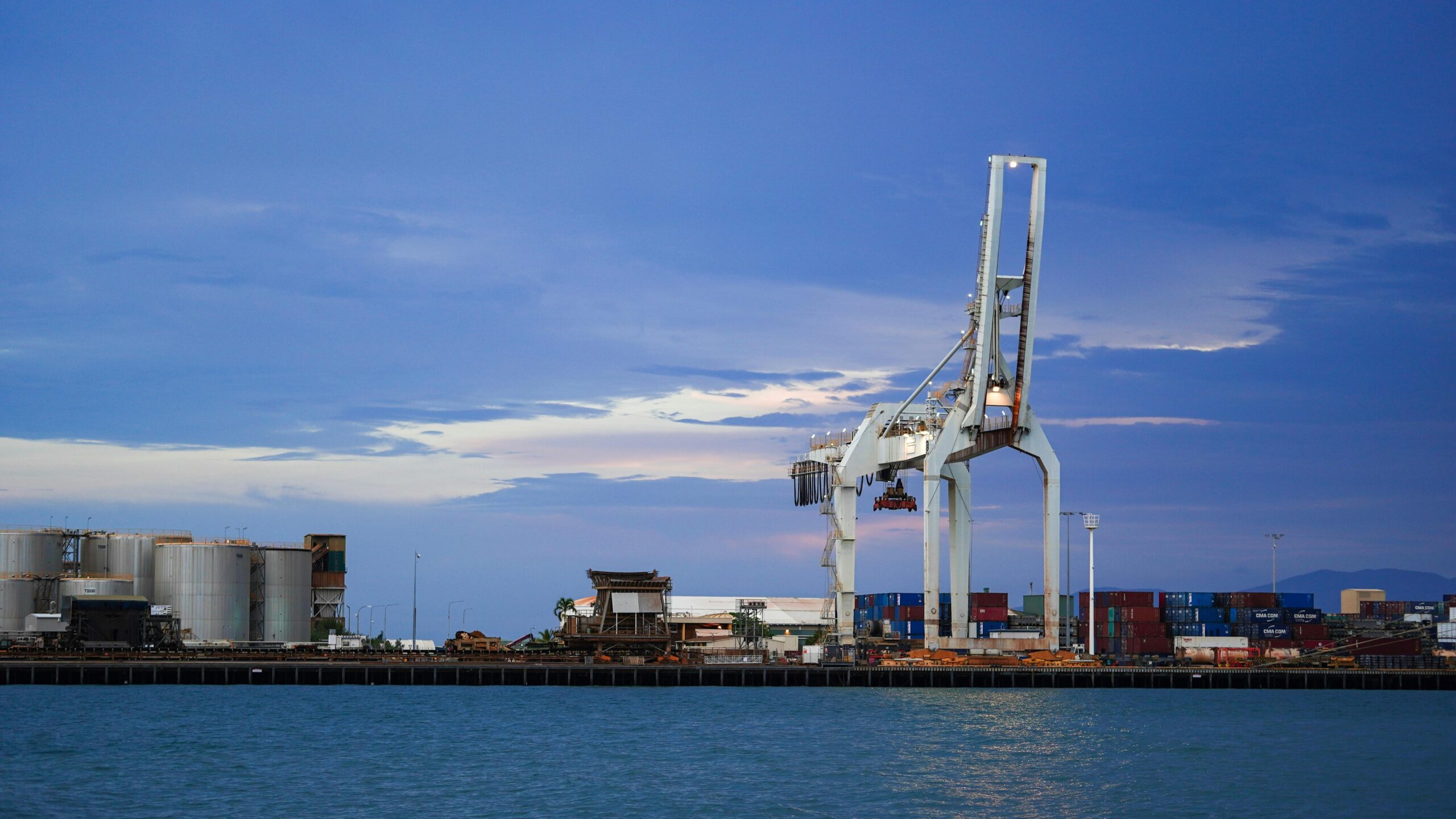
A superior logistics service integrates cutting-edge tools to streamline operations and boost productivity. Take, for instance, the state-of-the-art container crane, a pinnacle of logistical innovation designed to revolutionize port operations. Standing tall against the skyline, this crane features advanced precision engineering to handle the heaviest of loads with ease. Equipped with cutting-edge automated systems, it ensures smooth and efficient movement of containers, drastically reducing loading and unloading times. The robust steel structure provides durability and stability, even in challenging weather conditions, while its sleek, modern design optimizes space utilization at the dock.
Energy-efficient LED lighting and smart controls underscore its commitment to sustainability, offering significant energy savings without compromising on performance. This crane is an essential asset for high-volume ports seeking to enhance throughput, operational efficiency, and safety standards. By incorporating such advanced machinery into logistics service frameworks, ports can process more containers per hour, leading to faster turnaround times and lower operational costs. For example, ports using automated cranes have reported up to 30% improvements in handling efficiency, directly impacting the overall logistics performance.
Future Trends in Logistics and Air Freight Logistics
Looking ahead, logistics is poised for transformation through digitalization and sustainability initiatives. The integration of AI, IoT, and blockchain in air freight logistics will further optimize routes, predict disruptions, and ensure transparent tracking. Moreover, with growing environmental concerns, eco-friendly practices like electric-powered equipment are becoming standard in logistics service providers. Businesses that adopt these innovations will gain a competitive edge, meeting the demands of a global market that values speed, reliability, and responsibility. As logistics continues to adapt, the focus on seamless air freight logistics and robust infrastructure will drive economic growth and connectivity worldwide.
In summary, mastering logistics, particularly through specialized air freight logistics and comprehensive logistics service, is key to thriving in the interconnected world of commerce. Investing in tools like the advanced container crane not only enhances operational efficiency but also positions companies for long-term success.





