
Understanding the Essentials of Logistics in Modern Supply Chains
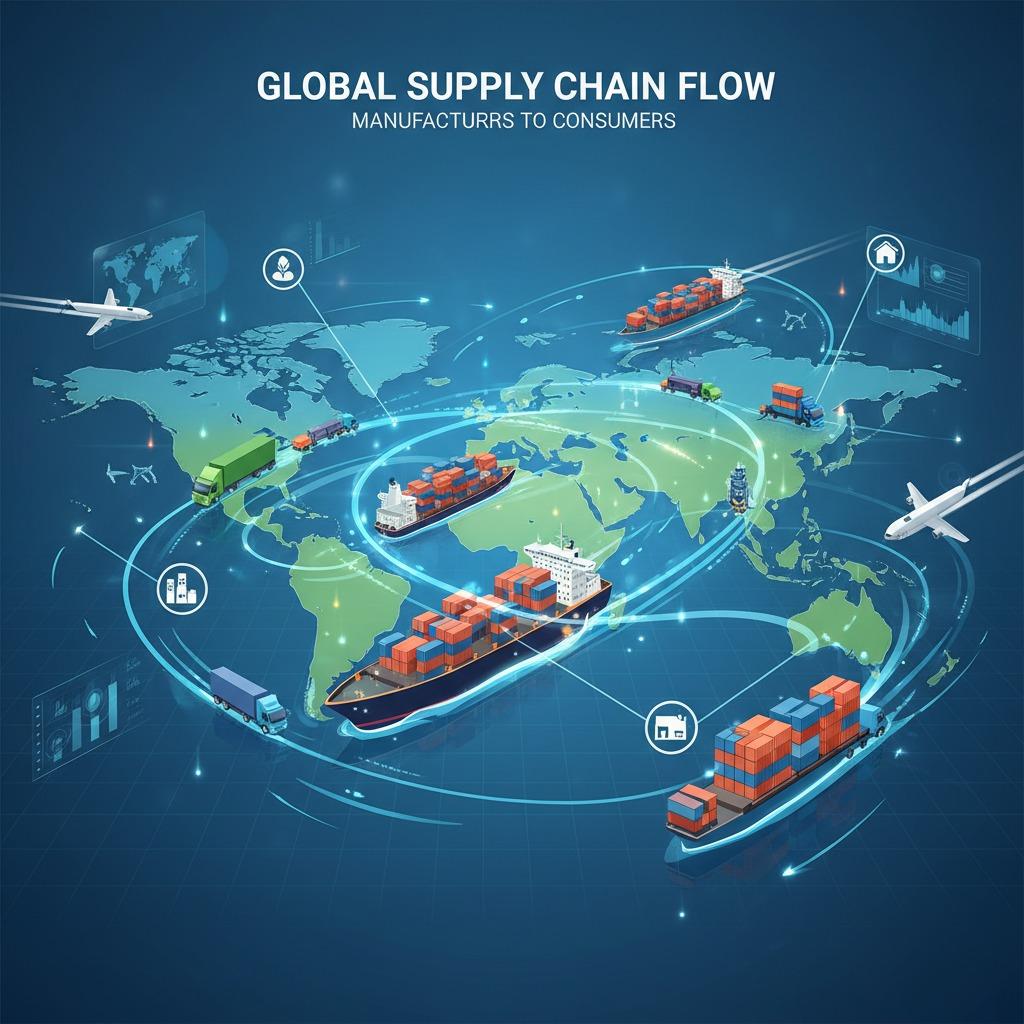
Logistics forms the backbone of efficient supply chain management, ensuring that goods move seamlessly from origin to destination. In today's fast-paced global economy, effective logistics is crucial for businesses aiming to meet customer demands while minimizing costs and delays. This article explores the key aspects of logistics, highlighting its role in optimizing operations across various industries. By integrating advanced technologies, companies can transform their logistics strategies to achieve greater efficiency and reliability.
The Role of Technology in Revolutionizing Logistics
Advancements in technology have significantly enhanced logistics processes, making them more precise and scalable. Real-time container tracking through RFID and IoT integration allows for complete oversight of shipments, from port arrival to final delivery. For instance, AI-powered optimization tools analyze shipping schedules, equipment movements, and storage layouts to predict and prevent bottlenecks. These innovations not only streamline workflows but also contribute to cost savings by reducing idle times for vessels and containers. In bustling cargo ports, where thousands of containers are handled daily, such systems ensure maximum throughput without compromising safety.
Moreover, digital twin simulations provide a virtual replica of port operations, enabling operators to test scenarios like traffic surges or weather disruptions. This proactive approach in logistics helps in pre-planning and adapting strategies, ultimately leading to faster turnarounds and improved resource utilization. Seamless connectivity between logistics platforms and supply chain partners fosters end-to-end visibility, empowering stakeholders with actionable insights. As ports evolve into smart hubs, the emphasis on green initiatives—such as energy-efficient cranes and electric vehicles—aligns logistics with sustainability goals, reducing environmental impact while maintaining high performance.
Key Equipment Driving Efficient Logistics Operations
Heavy-duty equipment plays a pivotal role in logistics, particularly in maritime and port environments. The Atlantic Heavy-Duty Dock Crane, with its ultra-high loading capacity and advanced hydraulic systems, exemplifies the durability and precision needed for handling massive cargo volumes. Constructed from corrosion-resistant materials, these cranes withstand harsh conditions, ensuring longevity and minimal downtime. Paired with ergonomic designs for operators, they enhance productivity and safety during loading and unloading tasks.
Complementing the cranes, tugboats like those engineered for superior performance are essential for maneuvering large vessels in complex waterways. Equipped with integrated navigation systems including radar and GPS, these tugboats operate reliably even in low-visibility scenarios. Their energy-efficient designs optimize fuel use, lowering emissions and supporting eco-friendly logistics practices. Together, such equipment transforms ports into efficient gateways for global trade, handling everything from short-haul to long-haul shipments with ease.
Benefits of Optimized Logistics for Businesses and the Environment
Implementing robust logistics solutions yields tangible benefits, including enhanced customer satisfaction through accurate tracking and transparent operations. Businesses experience lower operational costs as optimized workflows reduce workforce needs and equipment idle times. For ports managing millions of TEUs annually, scalability is key; modern systems adapt seamlessly to varying volumes, ensuring competitiveness in the global market.
Beyond efficiency, logistics advancements promote sustainability. By incorporating green port initiatives, operations minimize environmental footprints through automated, low-emission processes. This not only complies with international regulations but also appeals to eco-conscious partners and consumers. As logistics continues to evolve, integrating aviation elements—like fuel-efficient aircraft for air freight—further diversifies supply chains, offering versatile options for time-sensitive deliveries.
In summary, mastering logistics is about leveraging technology, equipment, and strategic planning to create resilient supply chains. Whether in crowded ports or expansive skies, these elements ensure goods flow smoothly, driving economic growth and operational excellence.





