
Mastering Modern Logistics: A Step-by-Step Guide to Efficient Supply Chain Management
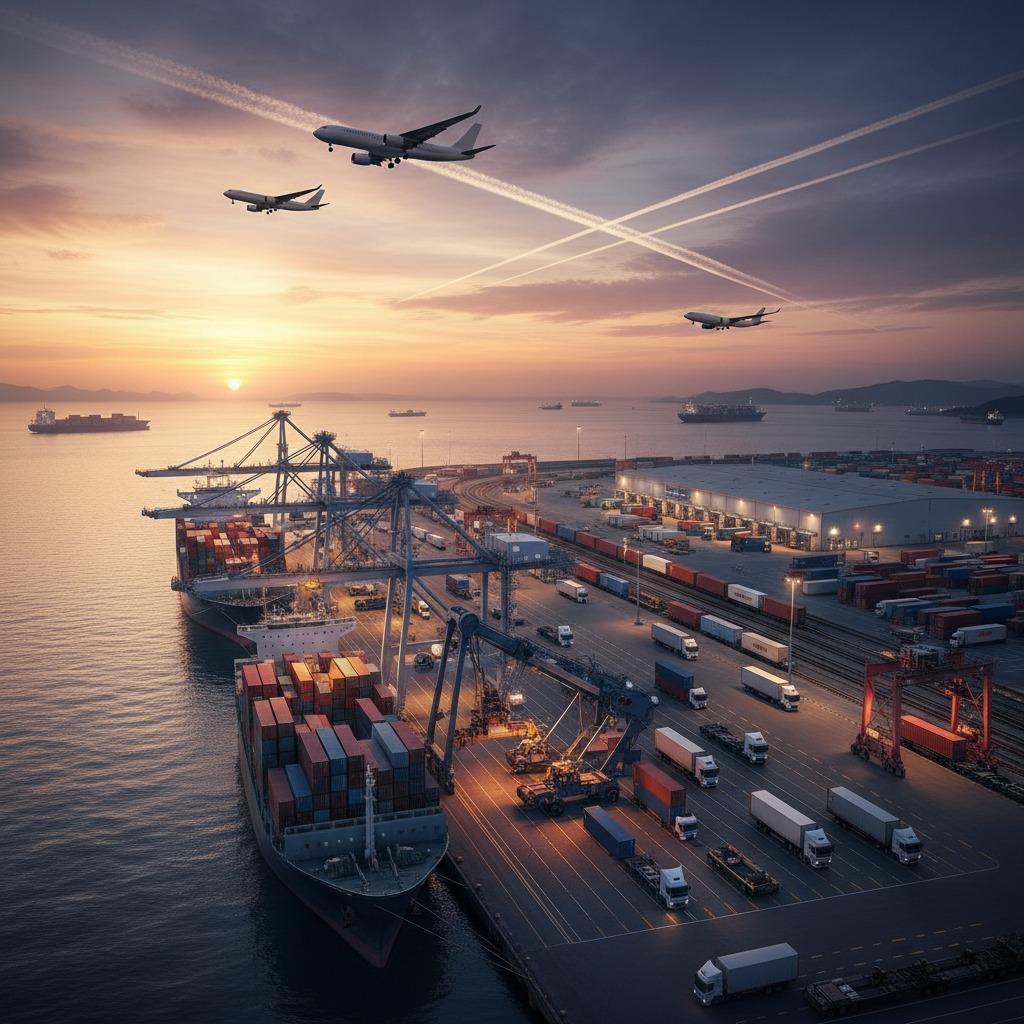
In today's fast-paced global economy, logistics stands as the backbone of successful business operations, ensuring goods move seamlessly from origin to destination. Whether you're a small business owner or managing a large enterprise, understanding logistics is crucial for optimizing costs, reducing delays, and enhancing customer satisfaction. This guide provides a comprehensive, step-by-step approach to implementing effective logistics strategies, drawing on cutting-edge innovations in air, sea, and integrated transport solutions.
Step 1: Assess Your Logistics Needs and Choose the Right Modes of Transport
Begin by evaluating your specific requirements, such as the type of goods, volume, urgency, and destination. Logistics involves selecting appropriate transport modes—air for speed, sea for bulk shipments, or a combination for hybrid efficiency. For instance, high-value items like electronics benefit from air transport's rapid delivery, while commodities such as raw materials suit sea routes for cost-effectiveness. Start with a thorough audit: map your supply chain, identify bottlenecks, and calculate timelines. Integrate air and sea options by partnering with providers offering multimodal solutions, like state-of-the-art aircraft with spacious cargo holds for express continental delivery and robust cargo ships equipped with advanced navigation for global maritime transport. This assessment phase ensures your logistics plan aligns with business goals, minimizing risks and maximizing reliability.
Step 2: Design an Integrated Infrastructure for Seamless Operations
Once needs are assessed, focus on building or selecting an integrated logistics infrastructure that combines air, sea, and land transport. Logistics thrives on connectivity, so prioritize facilities with sophisticated warehouses featuring state-of-the-art loading docks for swift cargo handling. Position your operations near bustling ports to enable seamless container transfers via advanced cranes and organized storage. Incorporate aerial networks with cargo planes for quick global reach and rail systems to reduce transit times. A key tip is to adopt a central operations center with expansive, sunlit designs for efficient monitoring. Implement technology like automated cargo vehicles and smart analytics to streamline workflows. By integrating these elements, your logistics setup becomes a powerhouse of efficiency, supporting rapid turnaround and expanding market access without unnecessary delays.
Step 3: Leverage Automation and Technology to Optimize Logistics Processes
Automation is the future of logistics, transforming traditional methods into high-precision operations. Introduce an Intelligent Port Automation System with autonomous cranes that load and unload cargo efficiently, cutting down on human error and boosting turnaround times. Use automated vehicles for precise navigation from ship to shore, complemented by real-time data analytics for informed decision-making. In logistics, monitor everything from fuel efficiency in aircraft to propulsion systems in ships, ensuring eco-friendly practices that meet sustainability standards. Train your team on these tools through hands-on sessions, and regularly update software to adapt to evolving demands. This step not only enhances speed and accuracy but also reduces operational costs, making your supply chain resilient against disruptions like weather or market fluctuations.
Step 4: Monitor, Analyze, and Continuously Improve Your Logistics Strategy
Effective logistics requires ongoing oversight to maintain peak performance. Establish key performance indicators (KPIs) such as delivery times, cost per shipment, and error rates, using dashboards for real-time tracking. Conduct quarterly reviews to analyze data from your integrated systems, identifying areas for refinement—like optimizing routes for air-sea synergies or upgrading warehouse tech. Engage stakeholders for feedback and simulate scenarios to test robustness. By fostering a culture of continuous improvement, your logistics operations will evolve, embracing innovations like vibrant, sunset-backed transport scenes symbolizing seamless global trade. Ultimately, this iterative approach ensures your business stays competitive, delivering unparalleled flexibility and speed in a dynamic market.
In conclusion, mastering logistics through these steps empowers your organization to navigate the complexities of modern supply chains with confidence. By focusing on assessment, integration, automation, and refinement, you'll achieve efficient, reliable transport that drives growth and customer loyalty.





