
Understanding the Essentials of Logistics in Modern Transportation
Logistics forms the backbone of efficient transportation and supply chain management, ensuring that goods move seamlessly from origin to destination. In today's fast-paced world, effective logistics integrates advanced technologies and streamlined processes to minimize delays and costs. Whether handling airport operations or freight shipping, robust logistics systems are crucial for industries aiming to stay competitive. This article explores key aspects of logistics, drawing from innovative solutions like container trucks and ground handling equipment that exemplify cutting-edge efficiency.
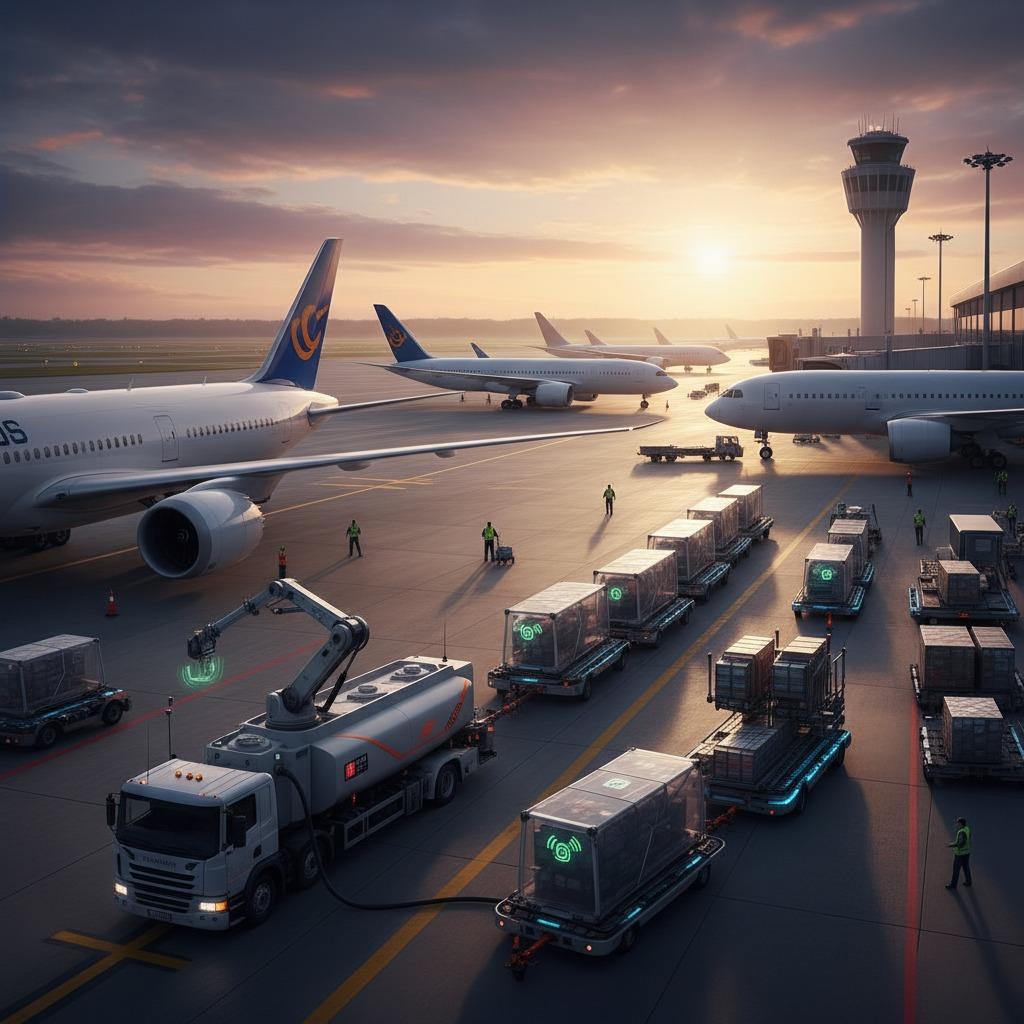
Key Components of Airport Ground Handling Logistics
Airport logistics demand precision, especially in ground handling, where every minute counts for aircraft turnaround. Advanced aircraft refueling systems, for instance, feature automated fuel trucks with precise metering to reduce wait times while adhering to safety and environmental standards. Smart luggage transport units equipped with GPS tracking enhance baggage logistics, minimizing lost items and boosting passenger satisfaction. High-capacity cargo equipment, such as ergonomic conveyor belts and trolleys, facilitates quick loading and unloading, reducing worker fatigue and increasing productivity. Enhanced personnel gear, including high-visibility suits with RFID communication, ensures safe and coordinated operations. Eco-friendly ground vehicles powered by efficient engines further support sustainable logistics practices, aligning with global goals to lower carbon emissions. These elements collectively optimize airport logistics, making operations smoother and more reliable.
The Role of Innovative Container Trucks in Freight Logistics
In freight transportation, logistics shines through vehicles like state-of-the-art container trucks designed for heavy-duty performance. These trucks boast aerodynamic frames that improve fuel efficiency and resist wind drag, ideal for both highway and urban routes. Their cargo capacity accommodates diverse containers from brands like COSCO, CAPITAL, and DHL, securing goods for international shipping, e-commerce deliveries, or infrastructure projects. Durability is key, with reinforced chassis and double-axle configurations handling heavy loads over long distances without compromising stability. Fleet management in logistics benefits from integrated GPS and monitoring technologies, enabling optimized route planning and real-time tracking. Safety innovations such as anti-lock braking systems and collision avoidance further enhance reliability. Eco-conscious options, including hybrid or electric variants, reduce emissions, promoting greener logistics solutions. By bridging transportation demands with sustainability, these trucks exemplify how logistics drives global trade and efficiency.
Integrating Technology for Future-Proof Logistics
Looking ahead, logistics evolves with technologies that connect airport ground handling and freight systems into cohesive networks. For example, automated refueling and smart baggage units in airports can sync with container truck fleets via shared data platforms, creating end-to-end visibility in supply chains. This integration cuts costs by up to 20-30% through predictive analytics and reduced manual interventions, according to industry reports from organizations like the International Air Transport Association. In freight logistics, intelligent driving features in trucks allow for dynamic routing, avoiding congestion and adapting to real-time demands. Sustainability remains a priority, with logistics strategies increasingly focusing on low-emission vehicles to meet regulatory standards worldwide. Companies adopting these advancements not only improve operational efficiency but also enhance customer experiences through faster, more reliable deliveries. Ultimately, mastering logistics means leveraging such innovations to build resilient, scalable transportation infrastructures that support economic growth.
Challenges and Solutions in Contemporary Logistics
Despite advancements, logistics faces challenges like supply chain disruptions and rising fuel costs. In airport settings, weather variability impacts ground handling, but rugged, weather-resistant equipment mitigates risks. For freight, uneven terrains and high-speed demands require trucks with superior stability controls. Solutions lie in scalable fleet management and data-driven insights, allowing logistics managers to forecast and adapt. Training personnel with advanced gear ensures safety amid these complexities. As e-commerce booms, logistics must handle surging volumes, where versatile container systems prove invaluable. By addressing these hurdles head-on, industries can achieve seamless operations that propel business success.





