
Frequently Asked Questions About Logistics
In the world of global trade, logistics plays a pivotal role in ensuring goods move efficiently from origin to destination. Whether you're a business owner shipping products internationally or a consumer curious about supply chains, understanding logistics is essential. This FAQ addresses common questions about logistics, international logistics, and logistics services, drawing on modern advancements in port infrastructure and shipping facilities to provide clear insights.
What is Logistics and Why Does It Matter?
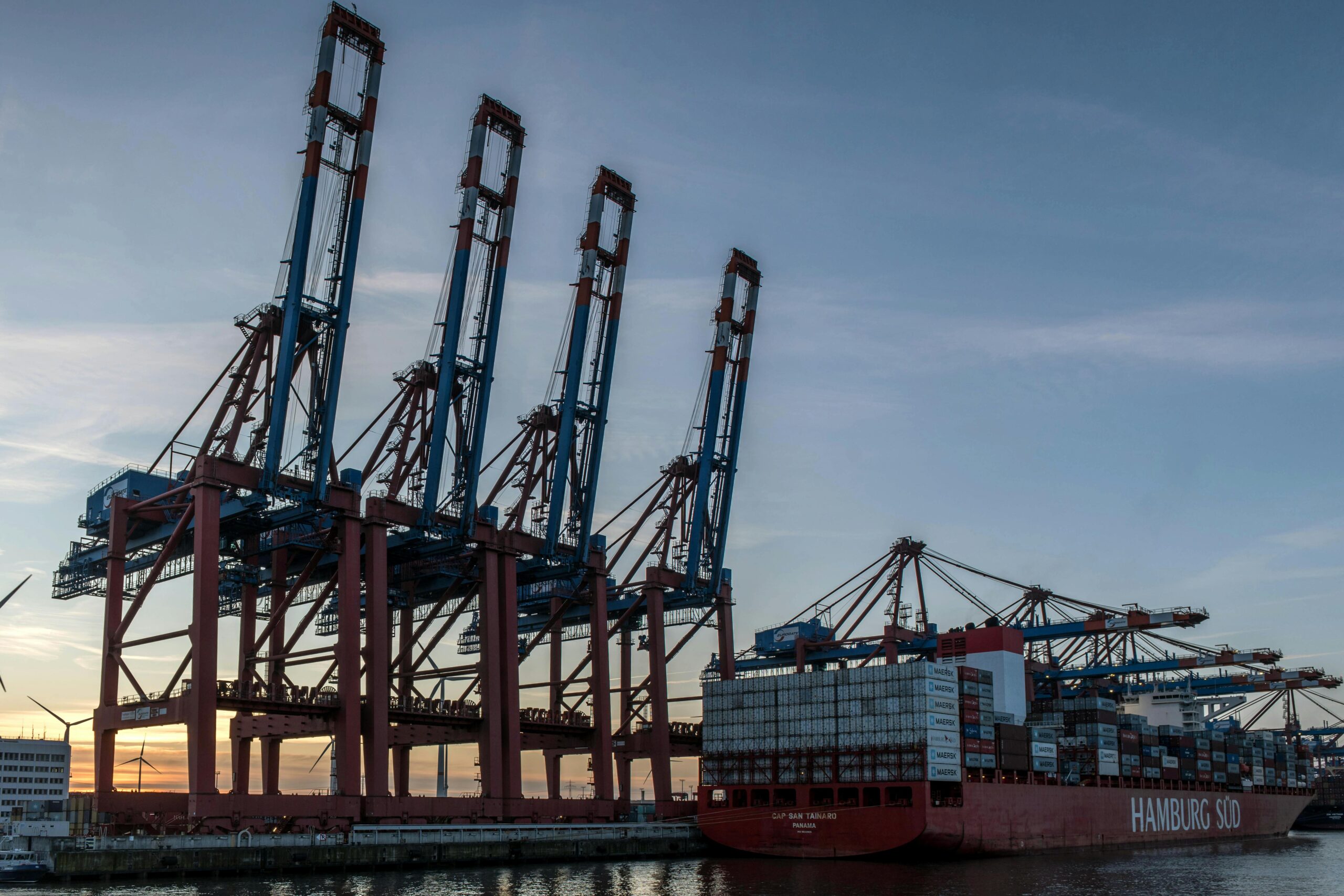
Logistics refers to the process of planning, implementing, and controlling the efficient flow and storage of goods, services, and related information from the point of origin to the point of consumption. It's the backbone of modern commerce, enabling businesses to meet customer demands reliably. At its core, logistics involves transportation, warehousing, inventory management, and order fulfillment. Without effective logistics, global trade would grind to a halt, as delays or inefficiencies could lead to lost revenue and dissatisfied customers. For instance, state-of-the-art port infrastructure, equipped with towering ship-to-shore gantry cranes, exemplifies how logistics has evolved to handle massive volumes of cargo with precision and speed.
How Does International Logistics Differ from Domestic Logistics?
International logistics extends the principles of standard logistics across borders, incorporating complexities like customs regulations, varying tariffs, and international shipping routes. Unlike domestic logistics, which might rely on trucks or trains within a single country, international logistics often involves ocean freight, air cargo, or multimodal transport to navigate global distances. A colossal container shipping vessel, capable of carrying thousands of TEUs, highlights the scale required for international logistics. These vessels, loaded and unloaded by advanced gantry cranes with automation systems, ensure seamless operations. Challenges in international logistics include compliance with international trade laws and managing time zones, but benefits like access to global markets make it indispensable for expanding businesses.
What Should I Look for in a Logistics Service Provider?
When selecting a logistics service, prioritize providers that offer reliability, technology integration, and scalability. Look for services that emphasize speed and efficiency through automated processes, such as next-generation control systems in ports that optimize cargo handling. A top-tier logistics service should provide end-to-end solutions, from warehousing to last-mile delivery, while focusing on sustainability—think integration with renewable energy sources like wind turbines to reduce environmental impact. Reliable logistics services also ensure time-definite handling for global shipping giants, minimizing risks of delays. Evaluate providers based on their track record in international logistics, customer support, and ability to customize solutions for your needs, ensuring your supply chain remains robust and adaptable.
How Can Technology Improve Logistics Operations?
Technology is transforming logistics by enhancing visibility, efficiency, and sustainability. Advanced automation in ports, including robust steel-framed cranes with precision engineering, allows for faster loading and unloading of containers. Real-time tracking via GPS and AI-driven analytics help predict and prevent disruptions in international logistics. For logistics services, blockchain ensures transparent documentation, reducing paperwork errors in cross-border shipments. Moreover, sustainable practices, such as using electric equipment and renewable energy, are becoming standard, as seen in modern facilities with wind turbines. Businesses adopting these technologies can achieve up to 30% improvements in throughput, making their operations more competitive in global trade.
What Are Common Challenges in Logistics and How to Overcome Them?
Logistics faces challenges like supply chain disruptions, rising costs, and regulatory hurdles, especially in international logistics. Geopolitical events or weather can delay shipments, while fluctuating fuel prices impact logistics service budgets. To overcome these, diversify routes and partners to build resilience. Invest in predictive analytics to forecast issues and implement robust inventory management. For sustainability, choose logistics services that prioritize green operations, reducing carbon footprints. By leveraging advanced infrastructure—like high-tech ports with efficient gantry cranes—companies can mitigate risks and maintain smooth operations. Ultimately, proactive planning and technology adoption turn potential pitfalls into opportunities for optimization.
Future Trends in Logistics
Looking ahead, logistics will increasingly rely on AI, IoT, and autonomous vehicles to streamline processes. International logistics may see more drone deliveries for remote areas, while logistics services evolve toward fully integrated digital platforms. Sustainability will drive innovations like electric ships and zero-emission ports, building on current advancements in renewable energy integration. As global trade grows, understanding these trends will help businesses stay ahead, ensuring their logistics strategies are future-proof.





