
Comparing Traditional Logistics with Modern Multifunctional Solutions
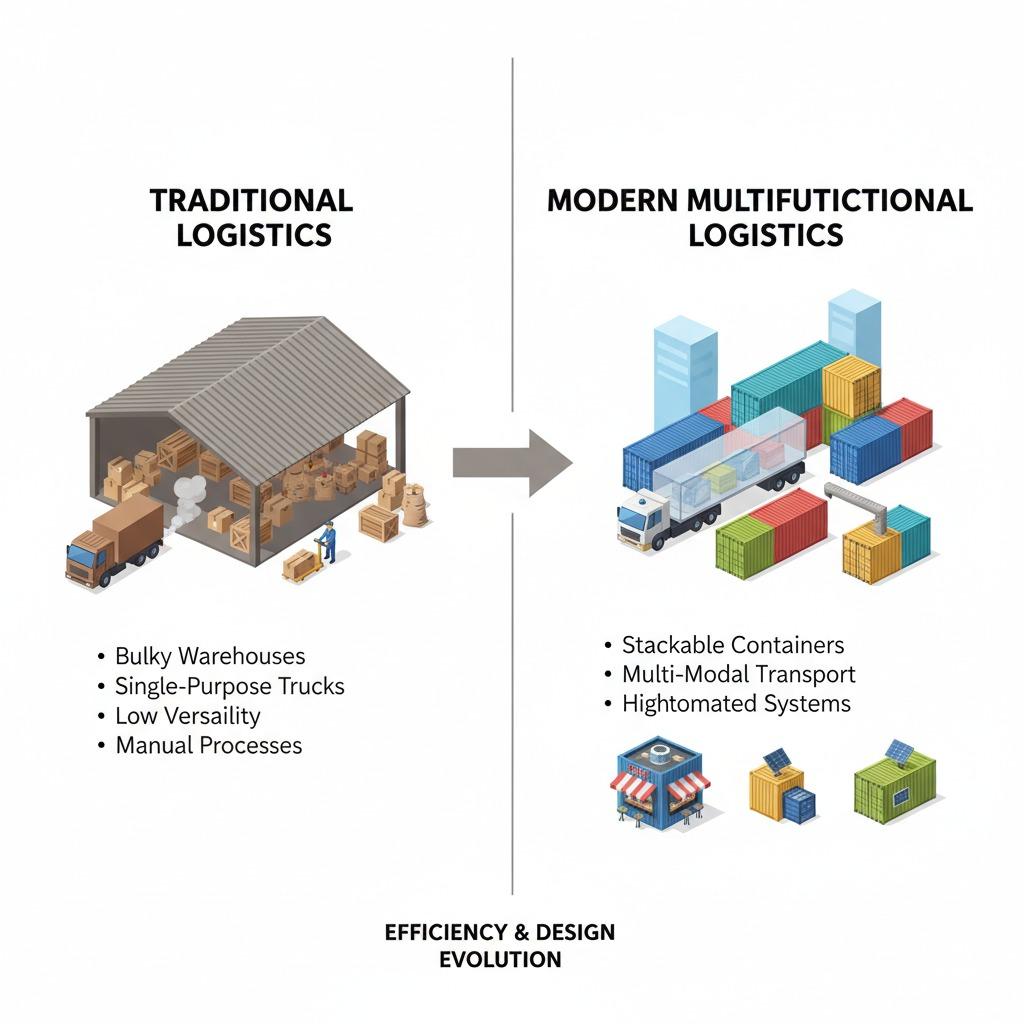
In the fast-paced world of logistics, the evolution from conventional methods to innovative approaches has transformed how businesses manage supply chains. Traditional logistics often relies on rigid, single-purpose systems that prioritize basic transportation and storage, while modern solutions like multifunctional shipping containers introduce versatility and efficiency. For instance, whereas old-school logistics might involve bulky warehouses and separate transport vehicles, these colorful, stackable containers allow for seamless integration of shipping, storage, and even repurposing, making logistics more adaptive to global demands.
Key Differences in Durability and Adaptability
When comparing durability, traditional logistics setups frequently suffer from vulnerability to environmental factors, such as rust or weather damage in standard crates or trucks. In contrast, multifunctional shipping containers, built from robust steel, offer weatherproof protection and secure locking mechanisms, ensuring goods remain safe during transit or storage. This contrast is evident in their standardized sizing for universal compatibility, which supports multimodal transport—air, sea, or land—unlike the often siloed nature of traditional methods. Moreover, the stackable design of these containers enables modular expansion, contrasting with the fixed layouts of conventional warehouses that limit scalability for growing operations.
Efficiency and Technological Integration: A Stark Contrast
Efficiency stands out as a major differentiator in logistics practices. Traditional approaches typically involve manual tracking and scheduling, leading to delays and higher costs, especially in complex international routes. Modern logistics platforms, powered by AI and machine learning, provide real-time insights and predictive analytics, as seen in systems that optimize routes for container ships and air freight. For example, while a standard container ship might handle routine bulk transport with basic navigation, state-of-the-art vessels equipped with fuel-efficient engines and automated crane operations reduce emissions and speed up port handling. This technological edge not only cuts operational costs but also enhances worldwide connectivity, allowing businesses to scale from startups to multinationals without the bottlenecks of outdated logistics.
Sustainability: Eco-Friendly Innovations vs. Legacy Methods
Sustainability further highlights the divide between traditional and contemporary logistics. Legacy systems often contribute to high carbon footprints through inefficient fuel use and waste from non-reusable materials. Conversely, multifunctional shipping containers emphasize eco-friendly upcycling, turning used units into offices or retail spaces, which promotes a circular economy. Large-capacity container ships with energy-saving tech exemplify this shift, minimizing drag and emissions compared to older vessels that guzzle fuel. In logistics overall, integrating low-carbon initiatives like optimized multimodal transport—combining sea freight with air deliveries—offers a greener alternative, ensuring businesses meet environmental regulations while maintaining reliability across diverse industries, from cold-chain perishables to bulk consumer goods.
Versatility for Diverse Applications
Finally, the versatility of modern logistics solutions outshines the uniformity of traditional ones. Where conventional logistics might confine goods to specific transport modes or storage types, multifunctional containers adapt effortlessly: as secure storage units, portable workspaces, or even creative installations. This flexibility is amplified in platforms that handle everything from time-sensitive cargo via aircraft to vast maritime hauls, supported by 24/7 automated hubs. In essence, while traditional logistics provides the foundation, innovative tools like these containers and tech-driven ships elevate the entire process, making logistics not just functional but forward-thinking and indispensable for global trade's future.





