
Want to skyrocket the efficiency of international logistics? Then you've got to keep up with the trend of multimodal transport! Today, let me unveil how you can effortlessly tackle customs duties and clearance issues through multimodal transport, making your logistics operations more efficient!
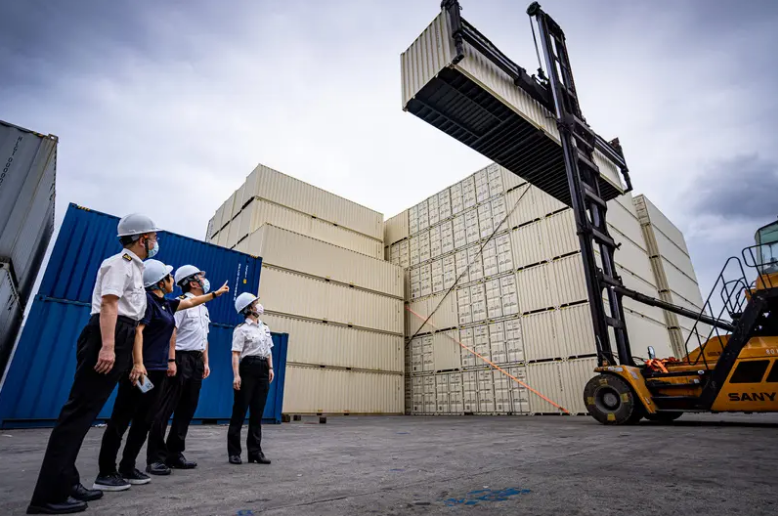
I. What is Multimodal Transport?
First of all, let's understand what multimodal transport is all about. Simply put, it involves utilizing different modes of transportation, such as sea freight, rail transport, road transport, and air freight, to seamlessly connect and complement each other in order to achieve rapid, efficient, and cost-effective transportation.
II. Common Issues with Customs Duties and Clearance
In international trade, customs duties and clearance have always been the number one headache. Let's take a look at some common problems:
1. High Tariffs
- Different countries have different tariff policies, and the level of tariffs can affect costs.
2. Lengthy Clearance Times
- Complex clearance procedures directly impact the timeliness of goods.
III. How Does Multimodal Transport Address These Issues?
1. Selecting the Optimal Transport Solution
- Based on factors such as the type of goods and urgency, choose the most suitable mode of transport. For example, sea freight can be chosen for bulky goods, while air freight can be chosen for urgent shipments.
2. Optimizing Transport Routes
- Utilizing multimodal transport allows you to select more time- and cost-efficient transport routes, reducing unnecessary delays during transportation.
3. Flexibly Responding to Tariff Policies
- When selecting transport routes, consider the tariff policies of different countries and choose the most favorable route to minimize tariff expenses.
4. Strengthening Clearance Coordination
- Multimodal transport involves different transport segments, requiring enhanced coordination between these segments to improve clearance efficiency and reduce delays.
IV. Benefits of Multimodal Transport
1. Enhanced Transport Efficiency
- Multimodal transport can optimize transport routes, improve transport efficiency, shorten transit times, and ensure timely delivery of goods.
2. Reduced Transport Costs
- By flexibly selecting transport modes and optimizing transport routes, transport costs can be reduced, enhancing the competitiveness of businesses.
3. Risk Mitigation
- Multimodal transport can effectively respond to various unforeseen circumstances such as weather changes and traffic congestion, ensuring the safe delivery of goods.
Multimodal transport not only improves the efficiency of international logistics but also reduces costs and mitigates risks, making it an indispensable component of international trade. I hope this article helps you make your logistics operations more efficient and smooth! Take action now, keep up with the trend of multimodal transport, and make your journey in international trade smoother than ever!





