
Current Trends in Logistics: Navigating the Skies of Global Commerce
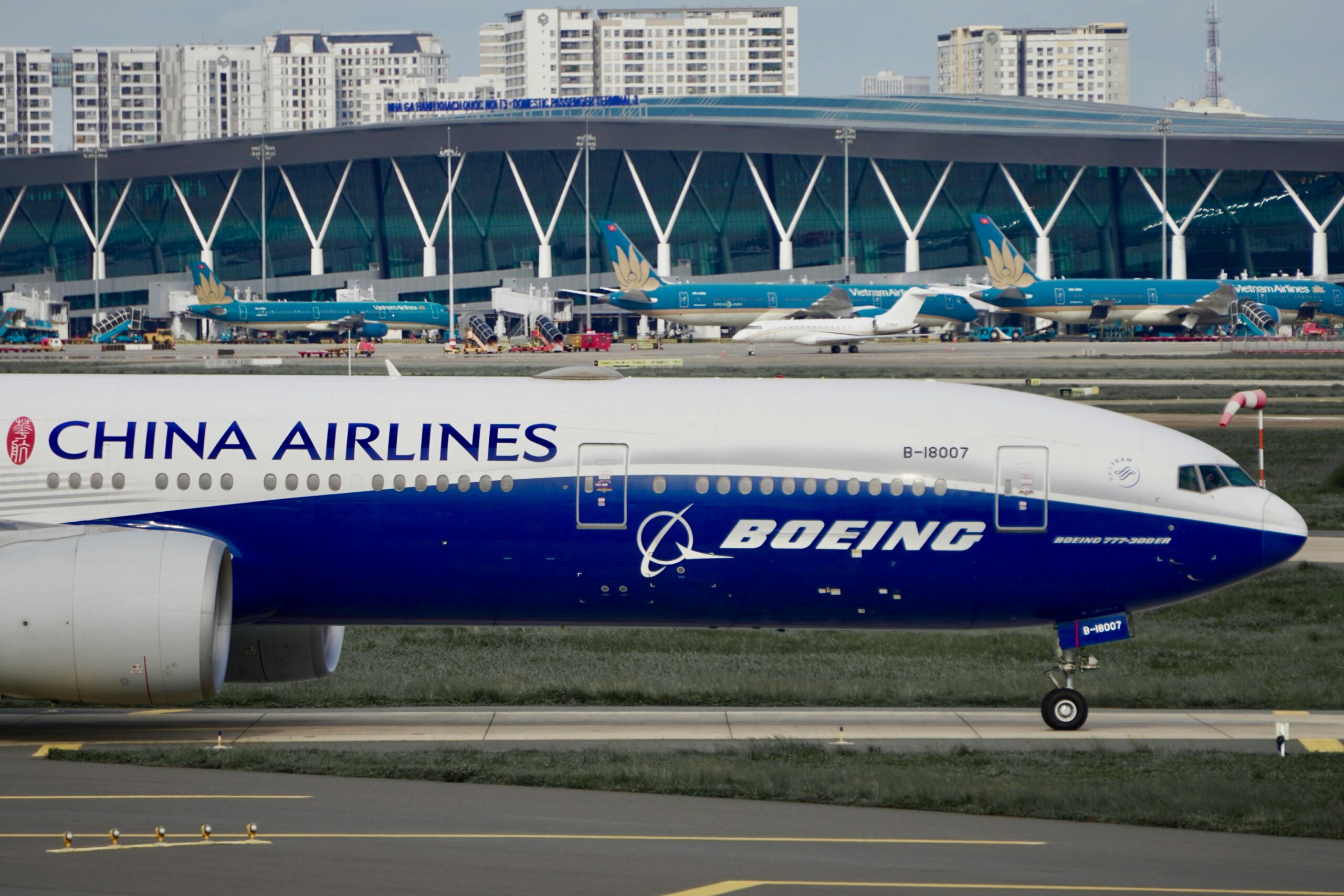
In the fast-evolving world of logistics, the sector is witnessing unprecedented shifts driven by technological advancements and global demands. Logistics, as the backbone of supply chains, is increasingly relying on efficient transportation modes to meet consumer expectations for speed and reliability. This trend analysis explores how air freight logistics is reshaping the industry, highlighting the role of innovative solutions in maintaining competitive edges for businesses worldwide.
The Rise of Air Freight Logistics in Modern Supply Chains
Air freight logistics has surged in popularity, particularly for time-sensitive shipments like electronics, pharmaceuticals, and perishables. With e-commerce booming, companies are turning to air cargo to bridge geographical gaps swiftly. For instance, the integration of advanced aircraft such as the Boeing 777-300ER, known for its extended range and fuel efficiency, exemplifies how logistics service providers are optimizing operations. This aircraft's capability to handle long-haul routes with minimal environmental impact aligns perfectly with sustainability trends in logistics. As global trade volumes increase, air freight logistics reduces transit times dramatically compared to sea or road alternatives, enabling just-in-time inventory management that keeps businesses agile.
Moreover, the adoption of digital tools like real-time tracking and AI-driven route optimization is transforming air freight logistics into a more predictive and responsive domain. Logistics service providers are investing in these technologies to mitigate disruptions, such as those from geopolitical tensions or weather events. The Boeing 777-300ER's advanced aerodynamics not only enhance speed but also cut down on fuel consumption, supporting the green logistics movement. This shift is crucial as regulations tighten on carbon emissions, pushing the industry toward eco-friendly practices. In essence, air freight logistics is not just about speed; it's about creating resilient, sustainable networks that support global economic growth.
Enhancing Logistics Services Through Innovation and Partnership
Logistics services are evolving beyond mere transportation to encompass comprehensive solutions that include warehousing, customs clearance, and last-mile delivery. A key trend is the collaboration between airlines and logistics firms to leverage assets like the Boeing 777-300ER for dedicated cargo configurations. This partnership model allows for customized logistics services tailored to specific industries, such as fashion or automotive, where timely delivery can make or break market positioning. The aircraft's spacious design facilitates higher cargo volumes without compromising efficiency, making it a game-changer in high-demand routes across Asia, Europe, and North America.
Furthermore, the integration of blockchain and IoT in logistics services ensures transparency and security, reducing fraud and errors in shipments. As air freight logistics grows, so does the emphasis on passenger-cargo hybrid models, where aircraft like the 777-300ER balance both worlds effectively. This dual-purpose approach maximizes resource utilization, a critical factor in an era of rising operational costs. Looking ahead, trends point toward autonomous drones and electric aircraft supplementing traditional air freight logistics, promising even greater efficiency and lower costs for logistics services.
Future Outlook: Sustainable and Tech-Driven Logistics
The future of logistics is poised for exponential growth, with air freight logistics at the forefront of innovation. Projections indicate a compound annual growth rate exceeding 5% through the next decade, fueled by urbanization and online shopping. Logistics service providers that prioritize adaptability, such as those utilizing the Boeing 777-300ER's cutting-edge features, will lead this charge. Emphasis on sustainability will drive investments in low-emission technologies, ensuring logistics aligns with global climate goals.
In conclusion, the logistics landscape is dynamically shifting toward efficiency, sustainability, and digital integration. By embracing trends in air freight logistics and enhancing logistics services, businesses can thrive in this interconnected world, turning challenges into opportunities for growth and innovation.





